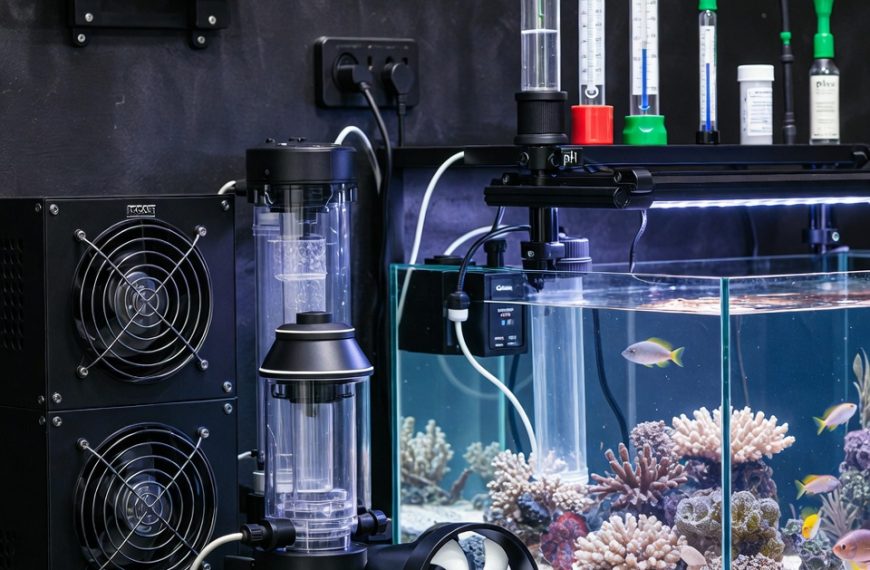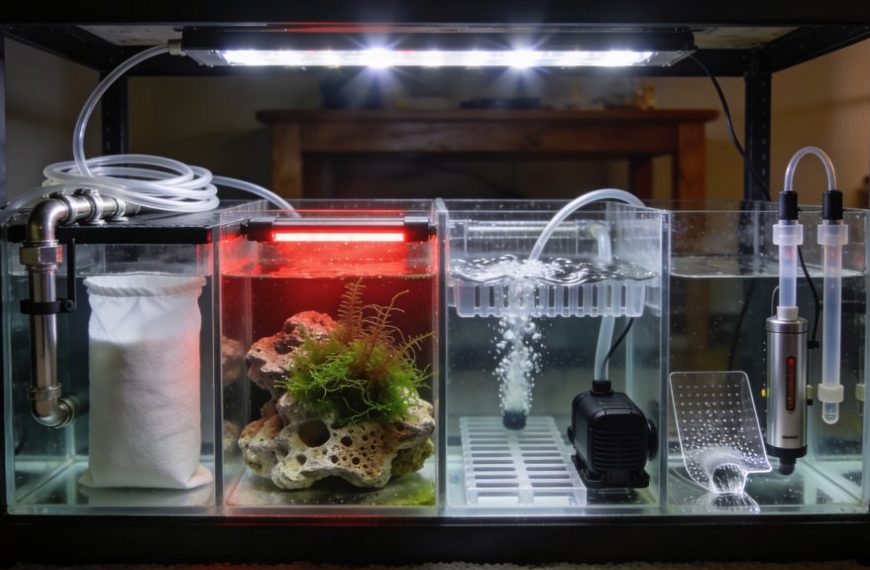
Your return pump is the heart of your sump system. It moves water, oxygen, and heat through the tank. Regular maintenance keeps flow stable and prevents sudden failures.
Why return pump maintenance matters
A dirty return pump loses flow fast. Calcium buildup and slime increase drag on the impeller. Your display may look fine at first. Then your overflow starts gurgling and your sump level swings.
Lower flow also affects filtration. Your skimmer sees less consistent water depth. Your refugium turnover drops. Dead spots can increase in the display. This can raise detritus and nitrate over time.
Heat is another clue. A struggling pump runs hotter and louder. You may also see microbubbles from a starving intake. If you run a DC pump, watch for rising watt draw.
Set a simple schedule. Clean most pumps every 6 to 12 weeks. In high alkalinity systems, aim for 4 to 6 weeks. If you dose kalkwasser, shorten the interval.
- Target return turnover: 3–7x display volume per hour
- Common warning signs: rattling, reduced flow, higher watt draw
- Plan a spare pump or spare impeller for quick swaps
For more system stability tips, review our sump basics for reef tanks. You can also compare flow goals in reef tank flow guide.
A step-by-step cleaning routine
Start by unplugging the pump and closing valves. If you lack valves, clamp tubing to reduce back-siphon. Move the pump to a bucket. Keep towels ready for drips.
Disassemble the volute and remove the impeller. Take a photo first for reassembly. Inspect the ceramic shaft for chips. Check rubber bushings for swelling or cracks.
Soak parts in a vinegar mix. Use one part white vinegar to one part warm water. Soak for 20 to 40 minutes. For heavy scale, soak up to 2 hours. Scrub with a soft brush.
Rinse with fresh water and reassemble. Spin the impeller by hand. It should turn smoothly. Prime the pump before powering on. Watch for leaks at unions and volute seals.
- Use a toothbrush for the impeller magnet and volute corners
- Replace worn O-rings to stop air draw and salt creep
- Log the date and note any parts that look stressed
Troubleshooting and preventing common failures
If the pump will not restart, suspect a jammed impeller. Snails and grit can lodge inside the volute. Remove the intake strainer and check for shells. Clean the impeller well and try again.
If you hear clicking, the shaft or bushings may be worn. Ceramic shafts can groove over time. Replace the impeller assembly if parts are loose. Many brands sell kits for this.
If flow is low, check plumbing before blaming the pump. Clean the return nozzle and any inline check valve. A dirty check valve can cut flow hard. Also confirm your overflow is not restricted.
Prevent issues with simple habits. Use a pre-filter sponge on the intake. Rinse it twice per week. Keep alkalinity stable near 7.5 to 9.0 dKH. This reduces fast scaling. Maintain salinity at 1.025 to 1.026.
- Keep unions on both sides of the pump for fast removal
- Test restart after a power outage once per month
- Store a spare impeller and O-ring set in your cabinet
If you need a full checklist for emergencies, save our reef tank power outage plan. It helps you test restart points and siphon breaks.
Return pump maintenance is simple and pays off fast. Clean on a schedule and replace worn parts early. You will get steadier flow, quieter operation, and fewer surprise floods.
Sources: Ecotech Marine Vectra manual; Sicce Syncra user manual; Reef2Reef community maintenance threads; Randy Holmes-Farley articles on carbonate scaling.
 By
By