A return pump drives flow from your sump back to the display. The right size keeps filtration steady and your overflow quiet. This guide helps you pick a pump with real numbers.
Step 1: Pick a realistic turnover rate
Start with display volume, not total system volume. Most reef tanks run best at 3–7x display turnover per hour through the sump. Higher rates can add noise and microbubbles. They can also reduce skimmer contact time.
Use lower turnover for nutrient export systems. Aim for 3–5x if you run a strong skimmer and refugium. Use 5–7x if you rely on socks and mechanical filtration. Keep in-tank flow separate with wavemakers.
Example: a 75-gallon display at 5x needs about 375 GPH at the return outlet. A 120-gallon at 4x needs about 480 GPH. These are flow targets after head loss. Do not size from the pump box rating.
Also check your overflow rating. Many common overflows handle 600–1,200 GPH. Stay below the quiet limit. If your drain gurgles, your return is often too strong. Review your sump plumbing basics if you hear surging.
- Fish-only: 4–8x turnover is often fine.
- Mixed reef: 3–6x keeps noise and bubbles down.
- SPS reef: 3–5x through sump, high flow in-tank.
Step 2: Calculate head loss and real-world flow
Head loss is the height and friction the pump must overcome. Measure vertical rise from sump waterline to display return outlet. Most stands land at 4–6 feet of vertical head. Add extra loss for elbows, valves, and small pipe.
As a quick rule, plan 20–40% flow loss from plumbing. Tight 90-degree elbows can each cost meaningful flow. Long runs and barbed fittings also add restriction. A pump rated 800 GPH at zero head may deliver 450–600 GPH at 5 feet.
Match pipe size to the pump outlet, or go larger. Larger pipe reduces friction and noise. For many reef returns, 3/4 inch works to about 600 GPH. Use 1 inch for 600–1,200 GPH when runs are long. Keep the last section at the bulkhead size.
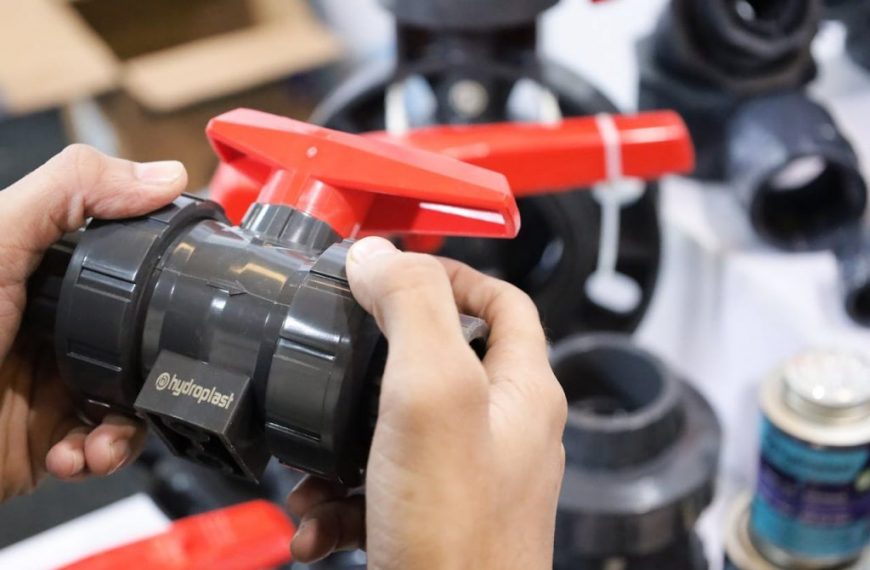
Use the pump’s flow curve when possible. Pick a pump that hits your target at your estimated head. If you cannot find a curve, oversize slightly and add a valve. A DC pump makes this easier. Learn safe valve placement in our return line plumbing guide.
- Measure vertical head in feet, not diagonal pipe length.
- Count fittings and avoid extra 90s when possible.
- Use unions for easy pump removal and cleaning.
Step 3: Choose the pump type and tune for stability
DC pumps are quiet and adjustable. They are great for fine tuning overflow noise. AC pumps are simple and often last many years. They can be louder and run hotter. Either can work if sized correctly.
Plan for backflow during power loss. Drill a siphon break hole just under the waterline. Or aim return nozzles near the surface. Test by shutting power off and watching sump level. Keep at least 1–2 gallons of free sump space for small tanks. Keep more for larger tanks.
Set flow so the overflow runs steady. Then tune the sump to prevent bubbles. Keep the skimmer section water level stable. Many skimmers like 7–9 inches of depth. Use an ATO to hold salinity at 35 ppt and prevent pump cavitation.
Common mistake: chasing display flow with the return pump. Use powerheads for coral flow instead. Another mistake is running a clogged return line. Clean the pump and impeller every 2–3 months. Soak parts in citric acid for 30–60 minutes. Rinse well before reinstalling. For more upkeep tips, see reef pump maintenance.
- Target 3–7x display turnover at the outlet, after head loss.
- Pick a pump that meets that flow at 4–6 feet of head.
- Oversize slightly and throttle, or dial back a DC pump.
A well-sized return pump makes your tank calmer and easier to manage. Start with a sensible turnover target and then account for head loss. Once tuned, your overflow stays quiet and your sump stays stable.
Sources: Reef Aquarium Volume Three by Delbeek & Sprung; The Reef Aquarium Volume One by Borneman; Manufacturer pump flow curves and installation manuals.
 By
By