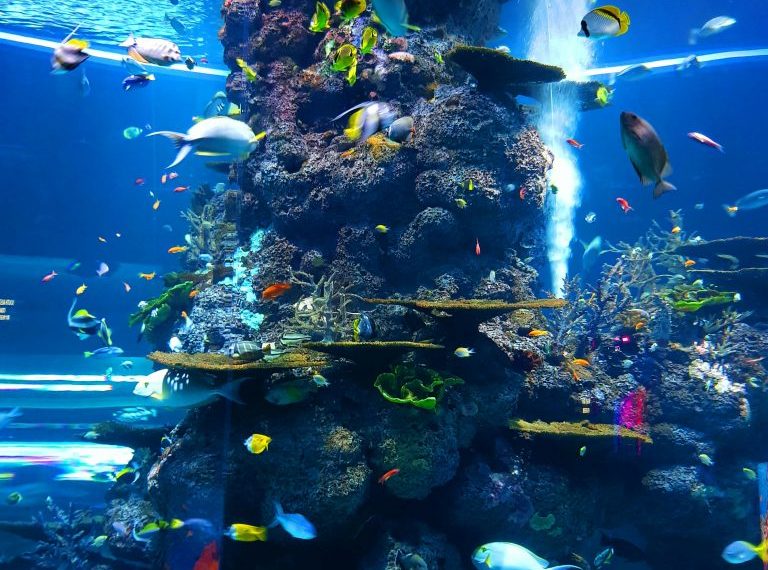
Saltwater filtration can feel complex at first. It gets easier when you separate jobs by type. This guide explains each filter stage and how to size it.
Section 1: Mechanical and chemical filtration basics
Mechanical filtration removes particles before they break down. Use filter socks, floss, or a roller mat. Aim for 100–200 micron socks for most reefs. Change socks every 2–3 days to prevent nitrate spikes.
Place mechanical media early in the sump flow. This protects pumps and skimmers from debris. It also keeps detritus from settling in low-flow zones. If you skip this step, your sump becomes a nutrient trap.
Chemical filtration removes dissolved wastes and toxins. Activated carbon helps with yellow water and odors. Run 1/2 cup per 25 gallons in a mesh bag. Replace it every 3–4 weeks for steady results.
Phosphate media is useful when algae grows fast. Start small to avoid stripping nutrients. Use 1 tablespoon per 10 gallons at first. Test phosphate twice weekly and adjust slowly.
- Rinse new carbon until water runs mostly clear.
- Keep media bags in high flow, not in a dead corner.
- Label change dates on your sump to stay consistent.
For more setup ideas, review our sump setup basics. If you run a canister, see canister filter reef tank tips for safe media use.
Section 2: Biological filtration and protein skimming
Biological filtration converts toxic ammonia into safer compounds. Live rock and biomedia house nitrifying bacteria. Most tanks need 0.75–1.25 pounds of porous rock per gallon. In bare rock systems, add a biomedia block or spheres.
Give bacteria stable oxygen and flow. Target 5–10x display turnover through the sump. Keep salinity at 1.025–1.026 and temperature at 77–79°F. Sudden drops can stall the biofilter.
A protein skimmer exports organics before they become nitrate. Size it for your real water volume and bioload. Many brands rate skimmers optimistically. Choose one rated for 1.5x your total system gallons.
Adjust skimming by watching the cup, not the dial. Aim for dark tea skimmate in mixed reefs. Empty the cup twice weekly. Clean the neck every 3–5 days for stable foam.
- Cycle with an ammonia source of 1–2 ppm, then let it clear.
- Do not rinse biomedia in tap water. Use removed tank water.
- If fish gasp, increase surface agitation and check oxygen.
If you want a step-by-step start, read our fishless cycle saltwater guide. It helps you avoid early losses.
Section 3: Sizing, flow, and troubleshooting your filtration
Start with goals and bioload. A soft coral tank needs less export than an SPS tank. For most reefs, target nitrate at 2–15 ppm. Keep phosphate at 0.03–0.10 ppm. Chasing zero often causes pale corals.
Flow affects every filter stage. Use 5–10x sump turnover and 20–40x in-tank circulation. Too much sump flow can reduce skimmer contact time. Too little flow lets detritus settle and rot.
Common mistakes are easy to fix. Old socks cause nitrate creep. Oversized phosphate media can crash phosphate fast. Skimmers can overflow after epoxy or new foods. Use a skimmer cup drain or lower the water level temporarily.
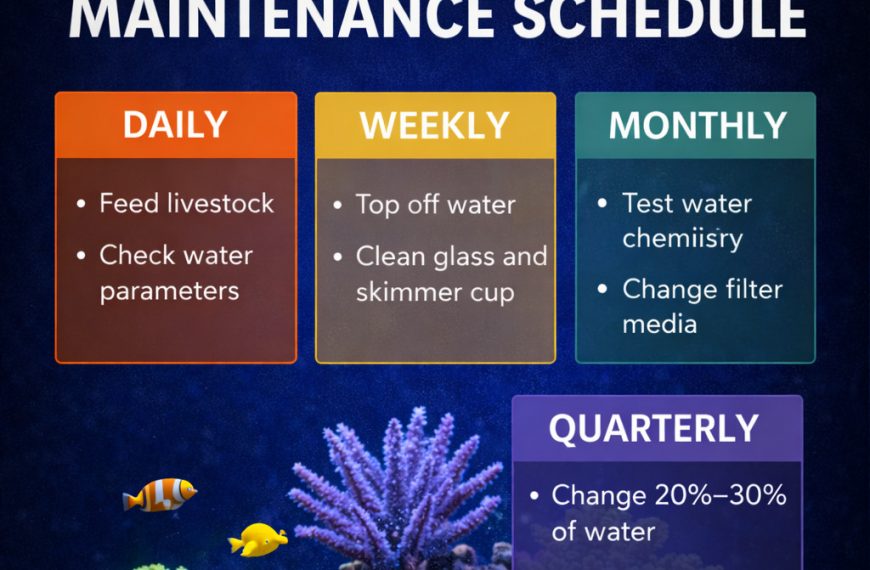
Use a simple weekly check routine. Test nitrate and phosphate every 7 days. Inspect pumps and intakes for snails and algae. Replace carbon monthly and clean the skimmer body every 2–3 months.
- If nitrate rises, increase sock changes and siphon sump detritus.
- If phosphate stays high, feed less and change media more often.
- If water stays cloudy, run fresh carbon and check for sand storms.
Saltwater filtration works best when it stays predictable. Build a simple system and maintain it on schedule. Stable parameters beat fancy gear every time.
Sources: Tullock, J.H. “Natural Reef Aquariums”; Delbeek & Sprung “The Reef Aquarium” Vol. 1–3; Fenner, R. “The Conscientious Marine Aquarist”; Paletta, M. “The New Marine Aquarium”.
 By
By