Soft corals are often the first love of many reef keepers. Their movement, forgiving care requirements, and fast growth make a soft coral reef tank a perfect choice for beginners and veterans alike. With the right planning, you can create a vibrant, low-stress system that still feels every bit like a thriving slice of the ocean.
Why Choose a Soft Coral Reef Tank?
Soft corals lack the hard calcium skeleton of SPS and many LPS species, which makes them more adaptable to small parameter swings and beginner mistakes. They’re ideal if you want a colorful, dynamic tank without obsessing over ultra-tight stability.
Key benefits of a soft coral setup include:
- Beginner-friendly: Many soft corals tolerate slightly higher nutrients and less-than-perfect lighting.
- Beautiful motion: Corals like Xenia and Kenya tree sway with the current, adding natural movement.
- Lower equipment demands: You can succeed without high-end lighting or complex dosing systems.
For more on starting your first saltwater system, see our guide on beginner saltwater tank setup.
Core Equipment and Water Parameters
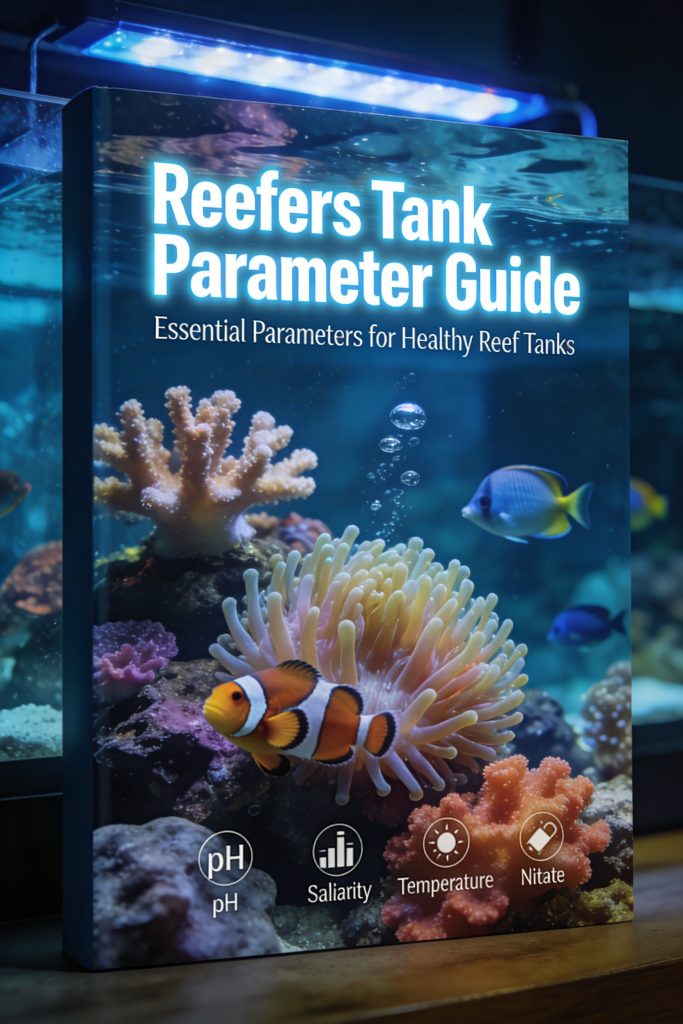
While soft corals are forgiving, they still need a stable, clean environment. Aim for these baseline parameters:
- Temperature: 24–26°C (75–79°F)
- Salinity: 1.024–1.026 specific gravity
- pH: 8.0–8.4
- Nitrate: 5–20 ppm
- Phosphate: 0.03–0.1 ppm
Soft corals actually appreciate a bit of nutrient in the water, so ultra-sterile conditions can cause them to sulk. A good protein skimmer, regular water changes, and moderate feeding usually strike the right balance.
Lighting and Flow
Most soft corals thrive under moderate lighting from LED or T5 fixtures. You don’t need intense SPS-level PAR; focus on even coverage and a consistent photoperiod of 8–10 hours.
Flow should be gentle to moderate, with a random pattern rather than a constant blast. You want polyps swaying, not folding over or retracting. Adjustable wavemakers make this easy to fine-tune.
Pro tip: If your soft corals close up every time the pumps turn on, the flow is probably too strong or too direct. Angle the powerhead toward the glass to diffuse it.
Choosing and Placing Soft Corals
Some of the most popular soft corals for reef tanks include:
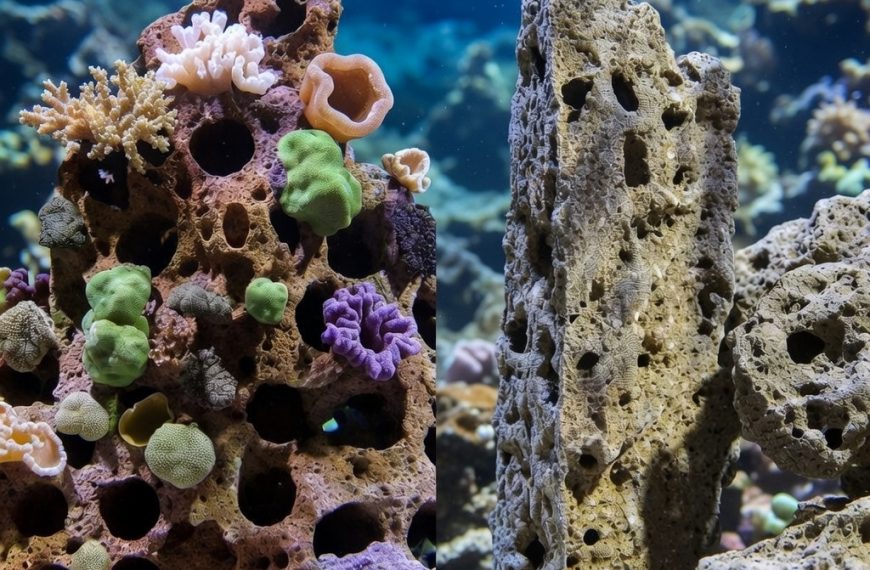
- Zoanthids and Palythoas: Colorful mats that spread over rockwork.
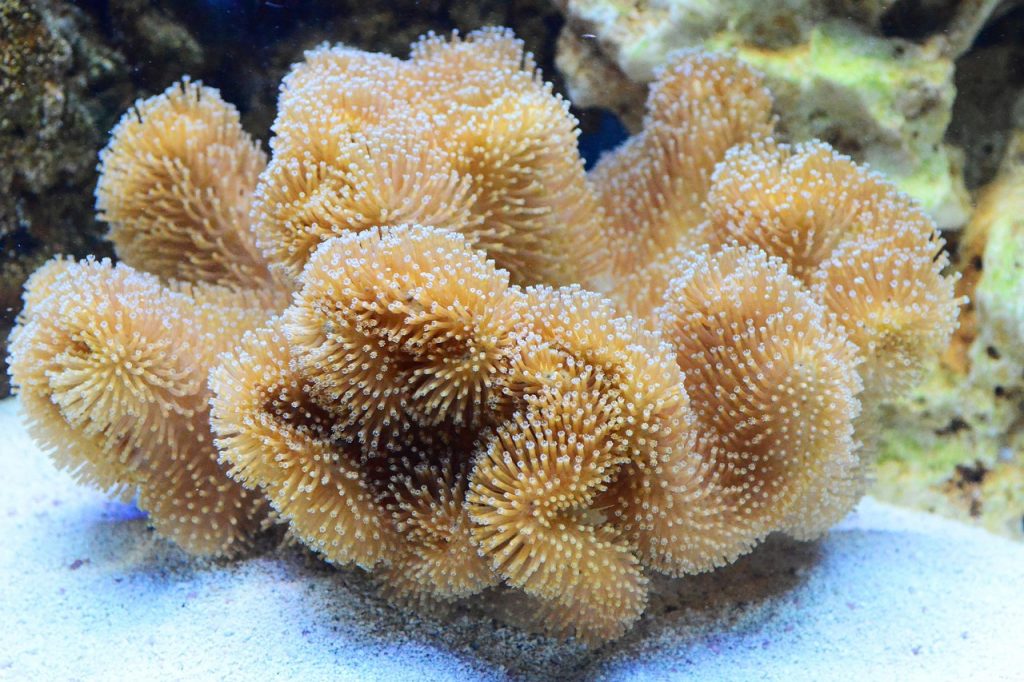
- Leather corals (Sarcophyton, Sinularia): Hardy centerpieces that can grow large and impressive.
- Kenya tree and other tree corals: Fast-growing, great for filling vertical space.
- Star polyps and clove polyps: Excellent for creating a living carpet on rocks.
Plan your aquascape so faster-growing species don’t overrun everything. Keep aggressive spreaders like green star polyps on isolated rocks or the back wall to control where they grow. For layout inspiration, check out our article on reef aquascape ideas.
Maintenance and Long-Term Success
A soft coral reef tank can be surprisingly low maintenance once established. Focus on:
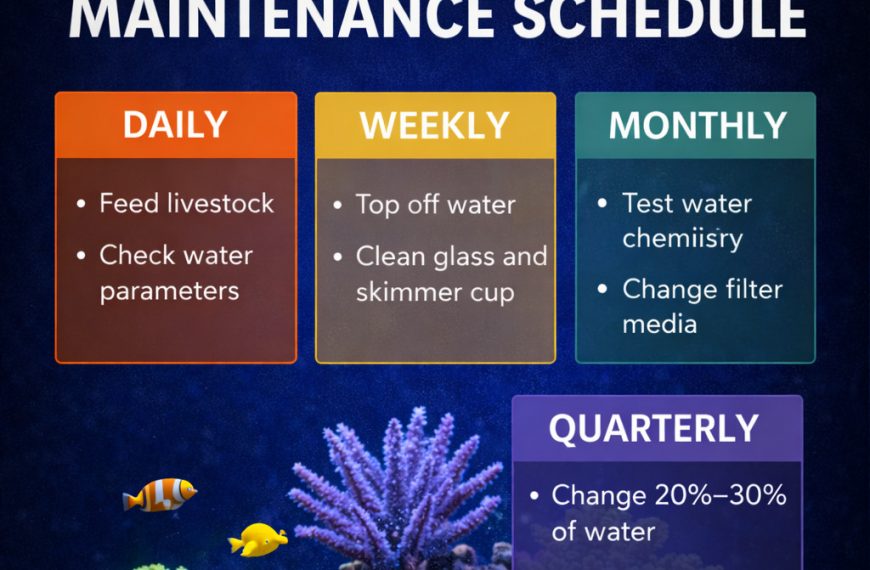
- Weekly or biweekly water changes of 10–15%.
- Testing salinity, temperature, and basic nutrients regularly.
- Cleaning mechanical filters and skimmer cups.
- Occasional iodine and trace element supplementation if you see slowed growth or dull colors.
Soft corals may periodically shed a thin film (especially leather corals). This is normal; ensure adequate flow so the film is blown off and removed by filtration.
With thoughtful coral selection, moderate lighting and flow, and consistent basic care, a soft coral reef tank can deliver a lush, flowing, and colorful display without overwhelming complexity. It’s an excellent long-term project that can grow with your skills, and a reminder that you don’t need the most demanding species to enjoy a truly stunning reef. For stocking ideas to complement your corals, see our guide to best reef-safe fish.
 By
By