A sump can make a reef tank easier to run. It adds water volume and hides equipment. Good sump flow also improves filtration performance.
How sump flow works (and why turnover matters)
Sump flow is the water moved from display to sump and back. It is not the same as in-tank circulation. Powerheads handle most coral flow needs.
A common target is 3–5x display volume per hour through the sump. For a 75-gallon tank, aim for 225–375 GPH after head loss. Many pumps lose 20–40% flow at 4–5 feet of lift.
Higher flow can increase noise and microbubbles. It can also reduce skimmer contact time. Lower flow can improve skimming and reduce splash.
Match overflow capacity to your real return flow. A 1-inch drain often handles about 300–600 GPH, depending on design. If your return exceeds the drain, the display will rise and surge.
- Start at 4x turnover and adjust after one week.
- Measure real flow by timing a 5-gallon bucket fill.
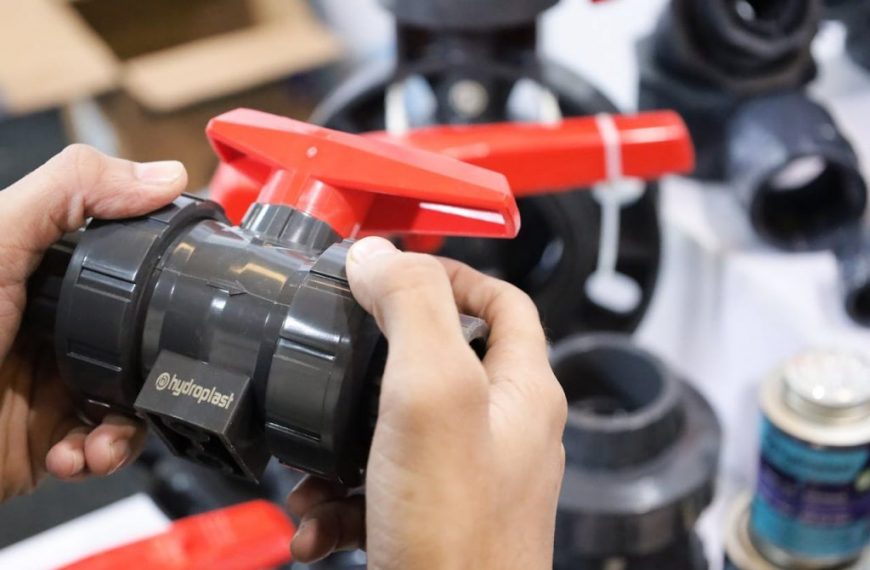
- Use a gate valve on the return to fine-tune flow.
For planning, use your return section waterline as a reference. Mark a “full” line and a “minimum” line. This helps you spot evaporation fast.
Filtration stages in a sump: mechanical, biological, chemical
Mechanical filtration catches particles first. Filter socks or cups work best when changed often. Replace or rinse every 2–3 days to avoid nitrate buildup.
Biological filtration happens on rock, sand, and media. Stable salinity and oxygen matter most. Keep salinity at 1.025–1.026 specific gravity and temperature at 77–79°F.
Chemical filtration removes dissolved waste. Activated carbon is common for clarity and toxins. Many hobbyists run 1 cup per 50 gallons and replace every 2–4 weeks.
Phosphate media can help when PO4 stays high. A typical reef target is 0.03–0.10 ppm phosphate. Start with half the recommended media dose to avoid stripping too fast.
- Place mechanical filtration before the skimmer for cleaner water.
- Run carbon in a bag in high flow, or in a reactor.
- Test nitrate weekly and phosphate twice per month.
If you want a deeper dive, review our reef tank filtration guide. It helps you choose media for your livestock. It also explains when to remove it.
Practical setup, tuning, and troubleshooting
Set baffle heights to control water levels. Many skimmers like 7–9 inches of water depth. Use a skimmer stand if your sump runs deeper.
Prevent floods with correct sump capacity. Turn off the return pump and watch the sump rise. Leave at least 1–2 inches of freeboard, or enough for drain-down volume.
Microbubbles often come from the drain or skimmer outlet. Slow the drain with a valve on a full siphon line, if you use a Herbie. Add a sponge block between baffles, but clean it weekly.
Noise usually comes from air in the drain or a cavitating pump. Keep the return section high enough to avoid vortices. Clean the pump every 2–3 months with vinegar and a brush.
- Use an ATO to keep return depth stable within 0.5 inch.
- Keep heater and probes in a high-flow sump chamber.
- Label valves so you can reset after maintenance.
When nutrients creep up, check maintenance first. Dirty socks and neglected sponges are common causes. Also review feeding and skimmer performance in our protein skimmer tuning article.
If your return pump seems weak, check head loss and plumbing. Too many elbows can cut flow fast. Our return pump sizing guide includes simple examples.
Sources: Reef2Reef community best practices (sump turnover discussions); Delbeek & Sprung, The Reef Aquarium Vol. 1–3; manufacturer skimmer depth guidelines (common 7–9 inch range).
 By
By