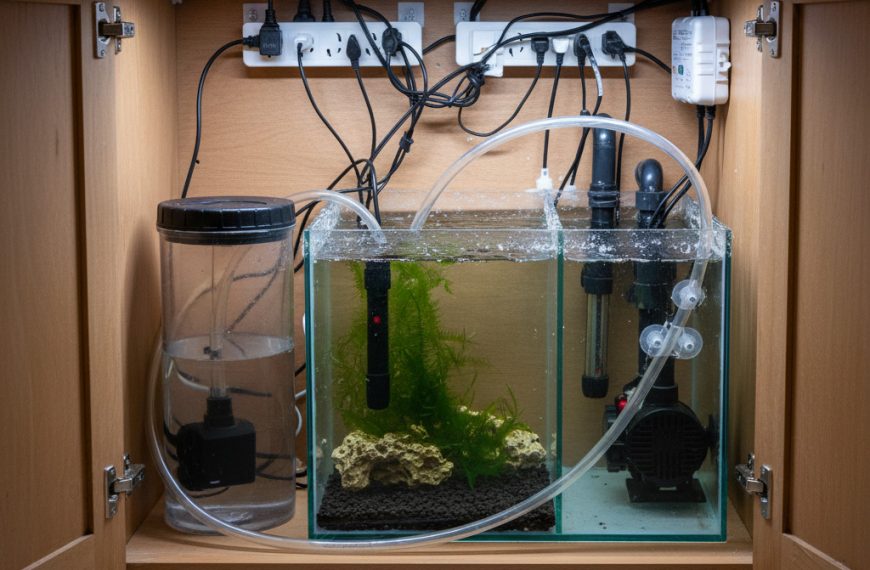
A sump adds water volume and hides equipment. It also improves gas exchange and stability. A simple layout works well for most reef tanks.
Section 1: Plan the sump layout and sizing
Start with the tank size and stand space. Many reef keepers aim for a sump that holds 20–40% of display volume. For a 75-gallon tank, a 20–30 gallon sump is common. Bigger helps, but only if it fits.
Choose a simple chamber plan. Most sumps use three zones. They are intake, skimmer, and return. A refugium can be added between skimmer and return.
Set baffle heights to match your skimmer needs. Many skimmers like 7–9 inches of water depth. Measure the skimmer’s recommended depth first. Then lock that depth with baffles.
Plan for power-off drainage. Mark a “max fill” line in the return section. Test by shutting off the return pump. The sump must hold all backflow without overflowing.
- Leave 20–30% empty sump volume for power-off drainage.
- Keep the return section large to slow evaporation swings.
- Place heaters and probes where flow is steady and strong.
If you need a refresher on overflow styles, see our overflow guide. It helps you match drain type to noise and safety needs.
Section 2: Plumbing, flow rates, and quiet operation
Match return flow to your overflow capacity. A good target is 3–5x display turnover per hour through the sump. For a 75-gallon tank, that is 225–375 GPH after head loss. High flow is not required for coral health.
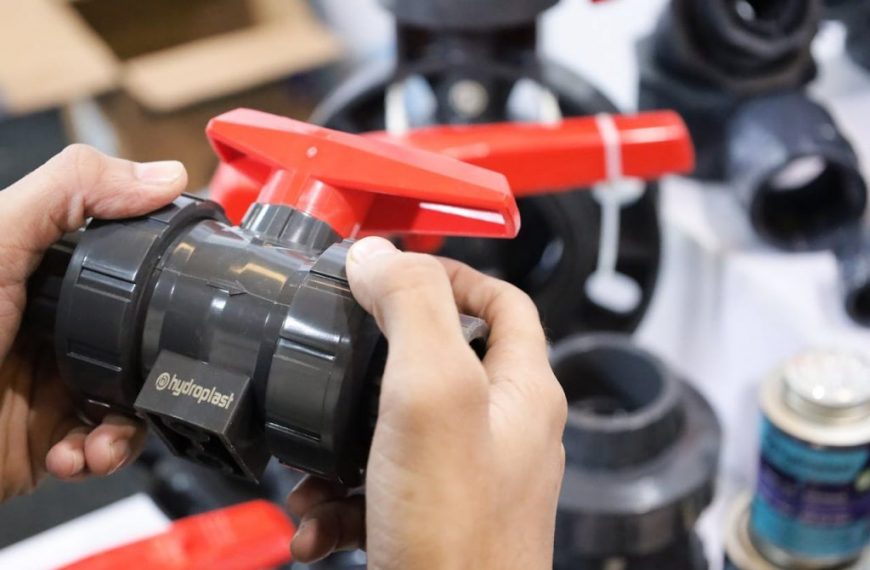
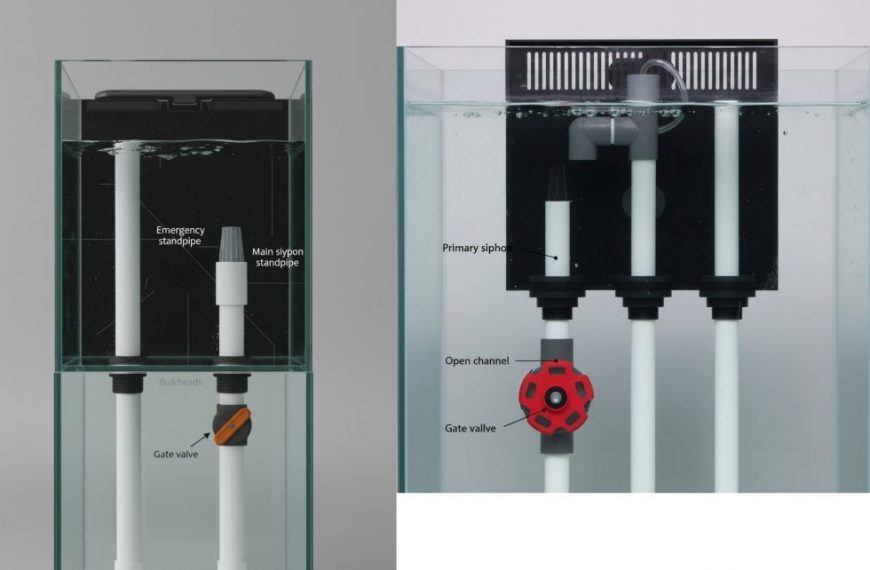
Use a valve and unions for control and service. Put a union on both sides of the return pump. Add a gate valve on the main drain if you run a siphon drain. This makes tuning easy and repeatable.
Design for quiet drains. A full siphon with an emergency standpipe is very stable. Many hobbyists use a Herbie-style setup. The main drain runs silent when tuned correctly.
Avoid check valves as your only flood protection. They can fail from sand and snails. Instead, set return nozzles near the surface. Drill anti-siphon holes just below the waterline.
- Use 45° fittings where possible to reduce noise and restriction.
- Keep drain outlets under water to stop splashing.
- Use filter socks or cups, but clean them every 2–3 days.
For pump selection and head loss basics, read our return pump sizing article. It includes simple examples for common tank heights.
Section 3: Setup steps, tuning, and troubleshooting
Do a freshwater leak test first. Fill the system and run it for 24 hours. Check every union, bulkhead, and glued joint. Fix leaks before adding saltwater.
Set the operating water levels next. With the return pump on, adjust the overflow and drain valve. Aim for a stable overflow box level. Keep the sump skimmer section at its target depth.
Control evaporation in the return section. Evaporation shows up there first. An ATO keeps salinity stable. Keep salinity at 1.025–1.026 specific gravity.
Watch for common problems during week one. Microbubbles often come from a high drain drop. Add a sponge block or raise the water level in the first chamber. Gurgling usually means the siphon is not tuned.
- If the sump water rises, your filter sock may be clogged.
- If the display water rises, the drain line may be restricted.
- If salinity swings, increase return section volume or add an ATO.
Keep maintenance simple. Clean the skimmer cup weekly. Rinse socks often. Inspect the return pump monthly for calcium buildup. For a checklist, see our reef maintenance schedule.
Sources: Reef2Reef Sump Design Threads; Bulk Reef Supply Plumbing and Sump Guides; Deltec and Reef Octopus skimmer manuals; “The Reef Aquarium” by Delbeek & Sprung.
 By
By