Some marine fish ignore frozen food at first. Many arrive eating only live prey. With a plan, you can switch them safely and keep weight on.
This guide covers prep, training steps, and common problems. Use it for new arrivals and picky long-term fish. Go slow and track results each day.
Set up success before you offer frozen food
Start with stable water and low stress. Keep salinity at 1.025 and temperature at 25–26°C. Aim for ammonia and nitrite at 0 ppm. Keep nitrate under 20 ppm for most fish.
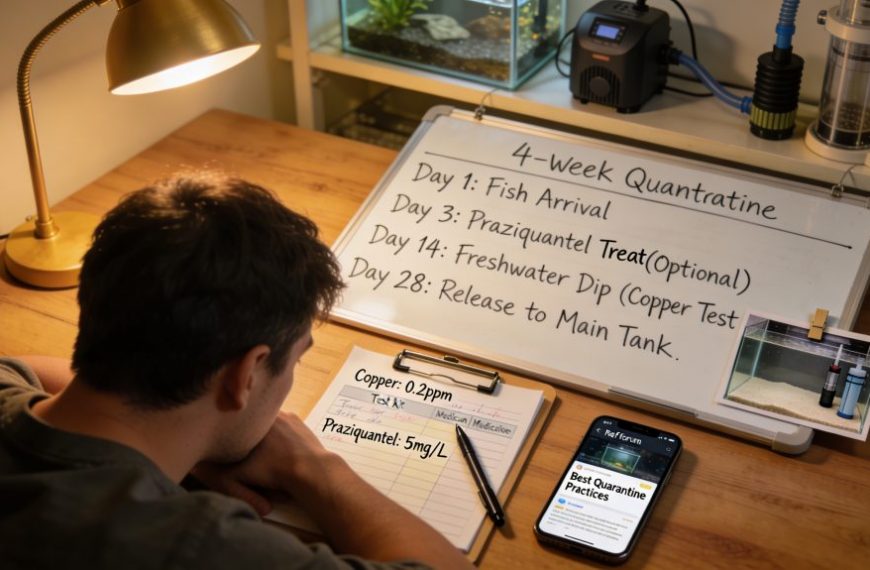
Quarantine helps training a lot. Use a 10–20 gallon tank for small fish. Add PVC elbows for cover. Keep lighting dim for the first 48 hours. Stress blocks feeding fast.
Pick the right first frozen foods. Start with small items like mysis, brine, and finely chopped clam. Rinse frozen cubes in RO water to reduce phosphate. Thaw in a cup and feed with a pipette.
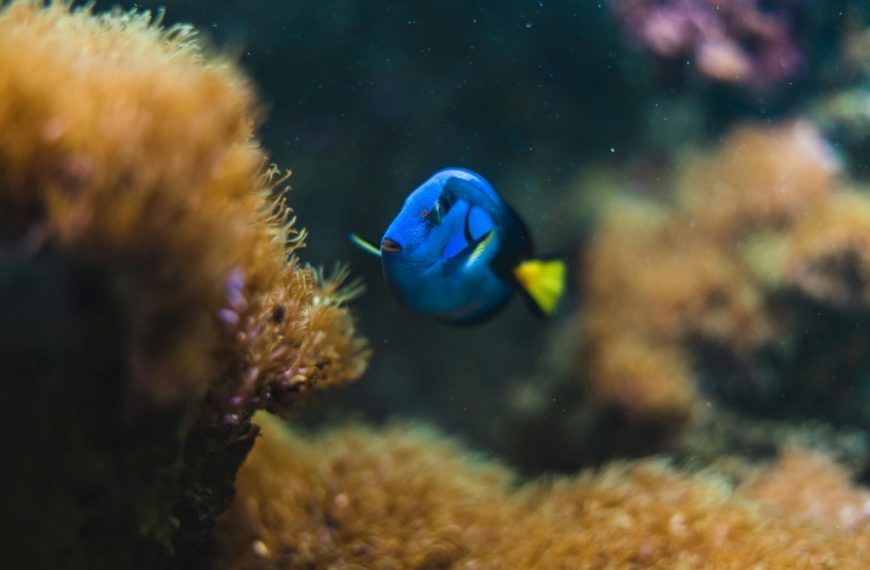
Match food to the fish’s mouth and hunting style. Anthias prefer small drifting pieces. Butterflyfish often take soft seafood strips. Wrasses like moving targets. For more setup help, see our quarantine tank setup guide.
- Feed after lights ramp up, not at full darkness.
- Turn off return pumps for 5–10 minutes during feeding.
- Use a feeding ring to keep food from scattering.
- Remove leftovers after 5 minutes to protect water quality.
Step-by-step training methods that work
Begin with a consistent schedule. Offer food twice daily at the same times. Start with tiny portions. A fish will often sample more on the third or fourth attempt. Consistency beats volume.
Use “scent and motion” to trigger strikes. Swirl thawed mysis in front of the fish. Use a turkey baster to make pieces dart. Many fish need movement cues. Reduce flow so the fish can aim.
Try a gradual wean if the fish eats live foods. Mix 75% live with 25% frozen for two days. Then switch to 50/50 for two more days. Move to 25/75, then all frozen. Watch the belly line each morning.
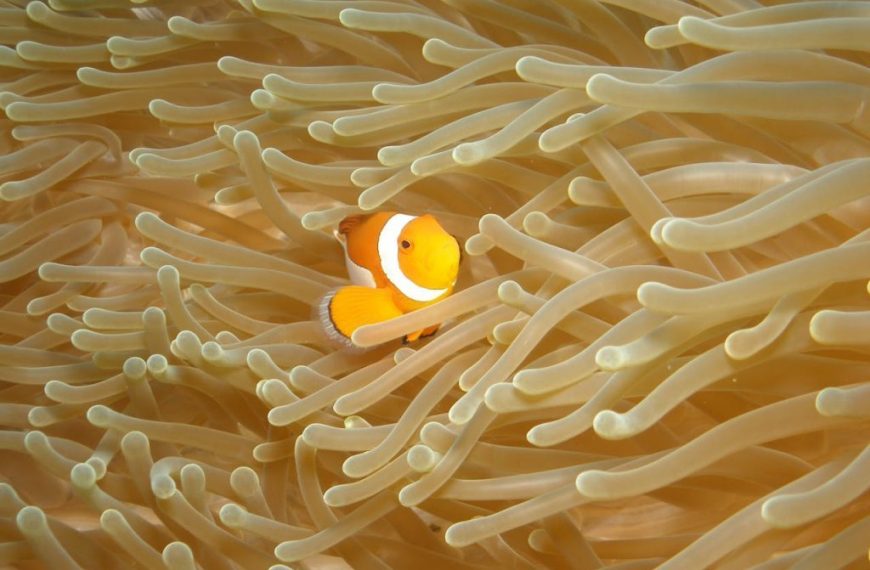
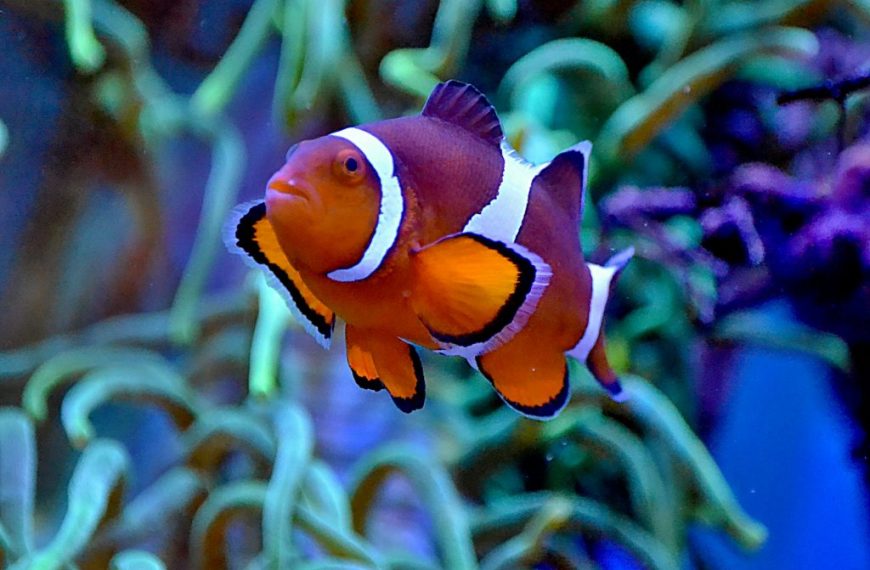
Use a “trainer” fish when possible. Add a bold eater in quarantine if safe. A small clownfish can model feeding behavior. Keep species compatibility in mind. For diet ideas, read best frozen foods for reef fish.
- Soak food for 10 minutes in amino acids or garlic extract.
- Offer smaller pieces for the first week.
- Feed near a favorite hiding spot, not in open water.
- Use a mirror briefly to spark competitive feeding in some fish.
Troubleshooting picky eaters and avoiding common mistakes
If the fish refuses everything, check basics first. Test ammonia daily in quarantine. Even 0.25 ppm can stop feeding. Add an air stone for higher oxygen. Keep pH around 8.1–8.3.
Look for intimidation and competition. Aggressive tankmates can block feeding. Use a divider or feed at two ends. Target feed with a tube for shy fish. Reduce bright light during meals.
Do not starve fish to force a switch. Many marine fish crash fast. Aim for progress within 7–14 days. If weight drops, return to accepted foods. Then restart with smaller frozen mixes.
Watch for disease that mimics pickiness. Flukes and internal worms reduce appetite. Heavy breathing and flashing are clues. Treat in quarantine when needed. See our quarantine meds overview for planning.
- Common mistake: feeding unthawed chunks that get spit out.
- Common mistake: overfeeding and spiking nitrate above 30 ppm.
- Common mistake: strong flow that blows food past the fish.
- Quick fix: switch to smaller mysis or chopped seafood.
Once the fish eats frozen, build variety. Rotate mysis, chopped shrimp, and clam. Add pellets later as a third step. Keep portions small and frequent. Stable habits keep fish bold and healthy.
Training takes patience, not tricks. Set the environment, then repeat a simple routine. Track intake and body shape each day. In most tanks, frozen feeding becomes easy within two weeks.
Sources: Humblefish Disease Forum (feeding and quarantine notes); Fenner, R. “The Conscientious Marine Aquarist”; Delbeek & Sprung, “The Reef Aquarium” (nutrition sections)
 By
By