Adding a new fish is exciting. It is also when most losses happen. A simple plan reduces stress and prevents disease.
Plan the purchase before the fish comes home
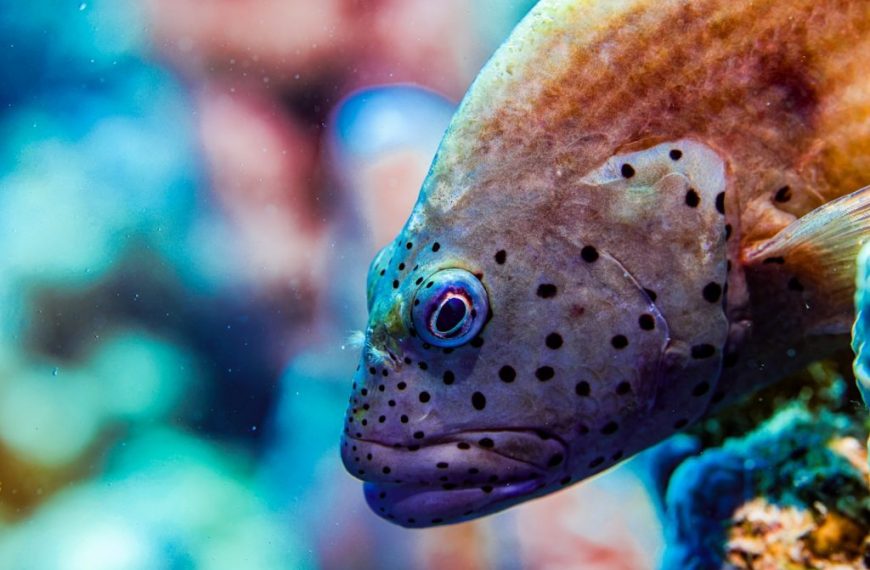
Start with a health check at the store. Watch the fish for five minutes. Look for steady breathing and clear eyes. Avoid fish with frayed fins or white spots. Ask to see it eat if possible.
Match the fish to your tank size and temperament. Many beginner losses are from crowding. Use a realistic stocking plan. A 40-gallon breeder handles fewer fish than you think. Aim for one new fish every two to four weeks.
Know your target water numbers before you buy. Keep salinity at 1.025 specific gravity. Keep temperature at 77–79°F. Keep pH at 8.1–8.4. Keep ammonia and nitrite at 0 ppm. Keep nitrate under 20 ppm for fish systems.
Prepare food and hiding spots ahead of time. New fish often refuse food. Have frozen mysis, pellets, and nori ready. Add a few extra caves with live rock. Review your reef tank cycling guide if your tank is young.
- Bring an insulated bag for cold or hot days.
- Ask for extra oxygen in the store bag.
- Skip the purchase if the system has sick fish.
Quarantine that actually works
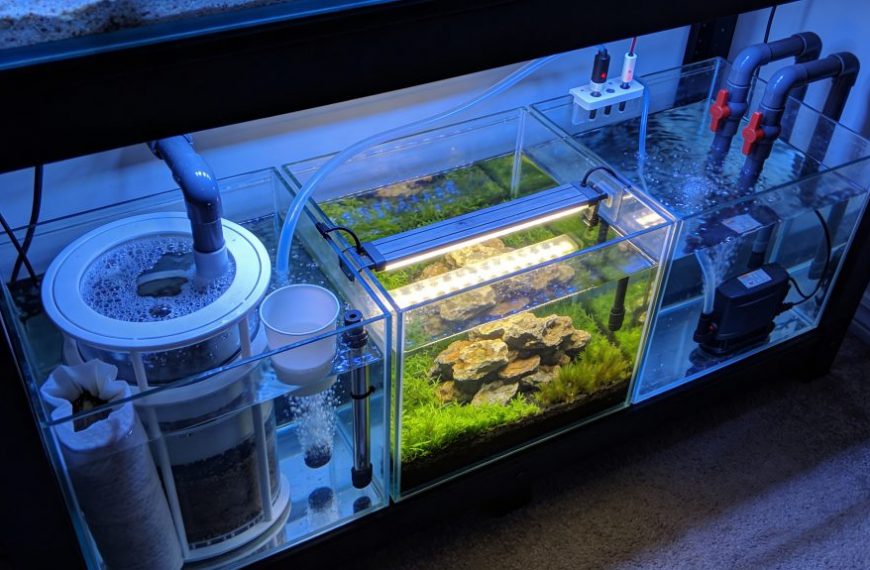
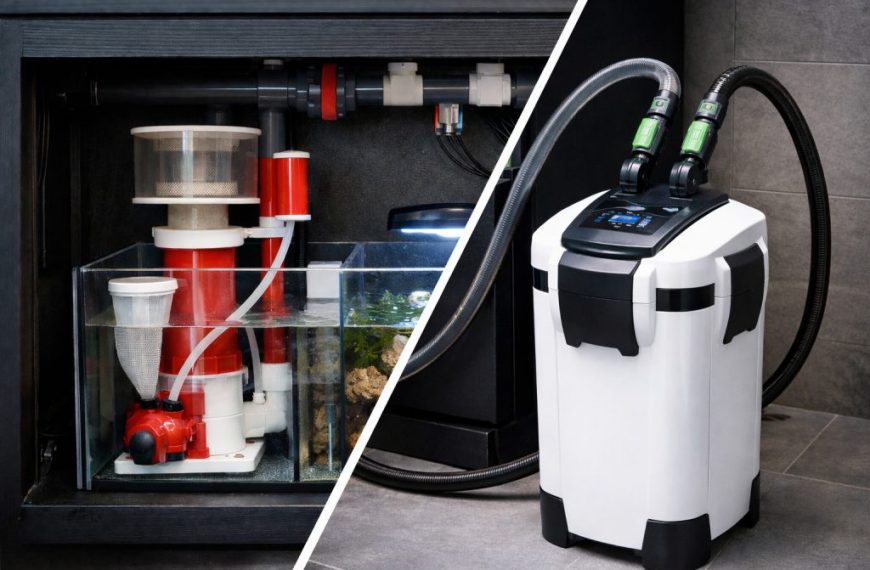
Use a simple quarantine tank. A 10–20 gallon tank fits most small fish. Add a heater, sponge filter, and air stone. Use PVC elbows for hiding. Keep lighting dim for the first day.
Run quarantine for 14–30 days. Two weeks is a minimum for observation. Thirty days is safer for disease detection. Test ammonia daily for the first week. Use an ammonia alert badge as backup.
Do not rush medication without a reason. Many fish fail from stress and poor water. If you treat, follow a clear plan. Copper is common for ich management. Keep copper in the therapeutic range for the product. Verify with a matching test kit.
Feed lightly but often in quarantine. Offer small meals two times daily. Remove uneaten food after five minutes. Do small water changes as needed. A 20% change helps if ammonia rises above 0.25 ppm.
- Seed the sponge filter in your sump for two weeks.
- Keep salinity stable during water changes.
- Log test results and fish behavior each day.
Acclimation and the first 72 hours in the display
Use temperature acclimation first. Float the bag for 15 minutes. Then open the bag and test salinity. If the store runs 1.020 and you run 1.025, go slow. Rapid salinity changes burn gills.
Drip acclimate when salinity differs by more than 0.002. Use airline tubing and a valve. Aim for two to four drops per second. Double the water volume over 30–45 minutes. Net the fish into the tank and discard bag water.
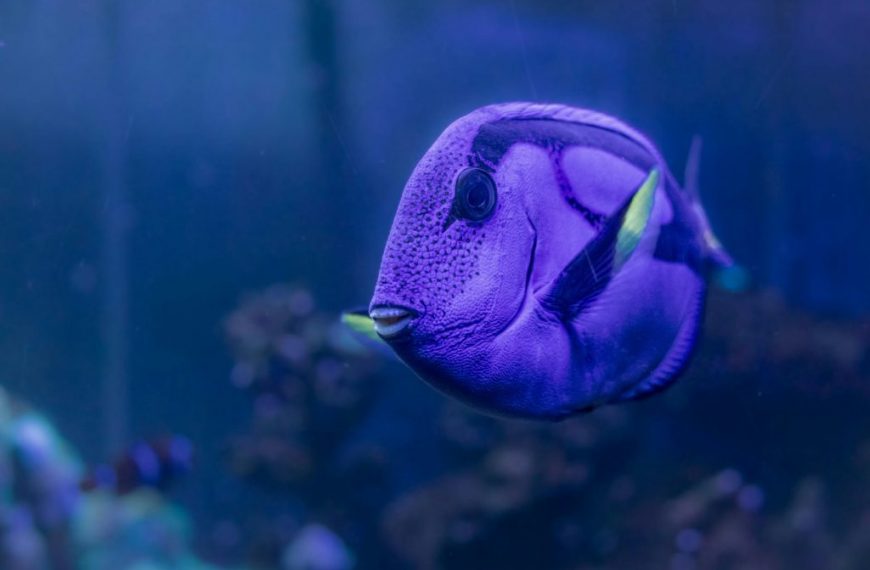
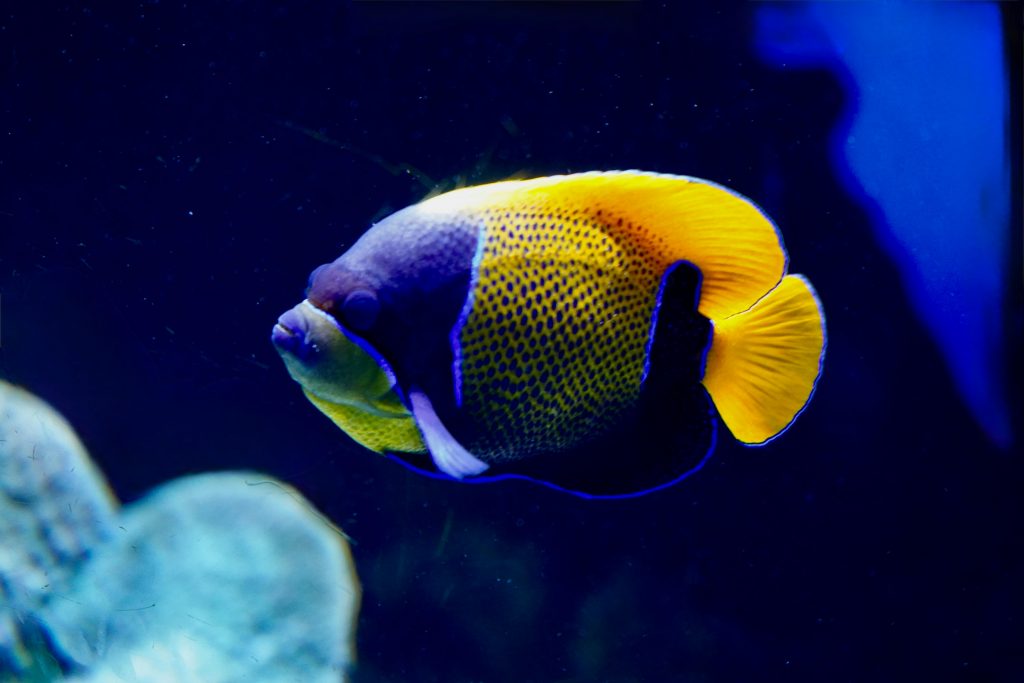
Reduce aggression during introduction. Rearrange one or two rocks if safe. Turn lights off for the day. Feed the tank before release. For tangs and angels, use an acclimation box for 24–72 hours. See our reef fish quarantine basics for setup ideas.
Watch closely for the first three days. Heavy breathing can mean ammonia or low oxygen. Flashing can mean parasites or irritation. If the fish hides, that can be normal. If it refuses food for three days, troubleshoot. Try smaller foods and add garlic soak if needed.
- Keep surface agitation strong for better oxygen.
- Test ammonia if any fish gasps at the surface.
- Offer nori on a clip for grazers within 12 hours.
Common mistakes and quick fixes
Adding multiple fish at once is a common error. It spikes stress and bioload. Add one fish, then wait two weeks. This also helps you spot disease early. Review your saltwater water parameter targets if issues repeat.
Another mistake is chasing perfect numbers during acclimation. Stability matters more than precision. Keep temperature within 1°F. Keep salinity changes under 0.001 per 10 minutes. Keep pH swings small with good aeration.
Do not ignore subtle bullying. Torn fins and corner hiding are warnings. Add more shelters and break line of sight. Use a mirror trick for tangs for short periods. If needed, isolate the aggressor for a week.
Finally, avoid skipping observation because the fish “looks fine.” Many parasites show later. A calm quarantine prevents display outbreaks. It also protects your invertebrates from medication exposure.
Sources: Humblefish Disease Guides (clinical observations); Reef2Reef community quarantine protocols; Fenner, R. “The Conscientious Marine Aquarist.”
 By
By