Starting a reef tank feels complex at first. The key is to plan around stability, not speed. This beginner setup guide focuses on simple gear, safe timelines, and clear targets.
1) Choose the right tank, gear, and water
Pick a tank size that forgives mistakes. A 20–40 gallon tank works well. It holds stable temperature and salinity. It also fits common beginner fish and corals.
Use a heater rated 3–5 watts per gallon. Add a reliable thermometer. Aim for 25–26°C (77–79°F). Add a powerhead for flow. Target 20–40x turnover per hour for reefs.
Lighting depends on goals. Soft corals need moderate PAR. Many LED reef lights cover a 24-inch tank. Start with 8 hours per day. Increase slowly to reduce algae blooms.
Mix saltwater with RO/DI water, not tap. Aim for 35 ppt salinity. That is 1.026 specific gravity at 25°C. Use a refractometer with calibration fluid. Let mixed water circulate 12–24 hours.
- Minimum tools: refractometer, test kits, buckets, and a siphon hose
- Starter tests: ammonia, nitrite, nitrate, pH, alkalinity, and phosphate
- Parameter targets: pH 8.0–8.3, alkalinity 8–9 dKH, nitrate 5–15 ppm
For deeper planning, see our equipment checklist. If you are unsure on water prep, read how to mix saltwater. These steps prevent most early crashes.
2) Cycle the tank and add livestock in a safe order
Start with dry rock or cured live rock. Add sand after rinsing it well. Seed bacteria using a bottled culture or a small piece of live rock. Feed the cycle with pure ammonia. Dose to 2 ppm total ammonia nitrogen.
Test every two to three days. Ammonia should rise, then fall to zero. Nitrite will spike next, then drop to zero. When both read zero within 24 hours of dosing, the cycle is strong. This often takes 2–4 weeks.
Do a large water change after cycling. Replace 30–50% to reduce nitrate. Aim for nitrate under 20 ppm before adding animals. Keep phosphate under 0.10 ppm to limit algae. Run carbon if water looks yellow.
Add livestock slowly and in layers. Start with a small clean-up crew. Add one fish after a week of stable tests. Add the second fish two weeks later. Wait another month before most corals.
- Week 0–4: cycle, then water change, then clean-up crew
- Week 4–8: one hardy fish, then another after stable testing
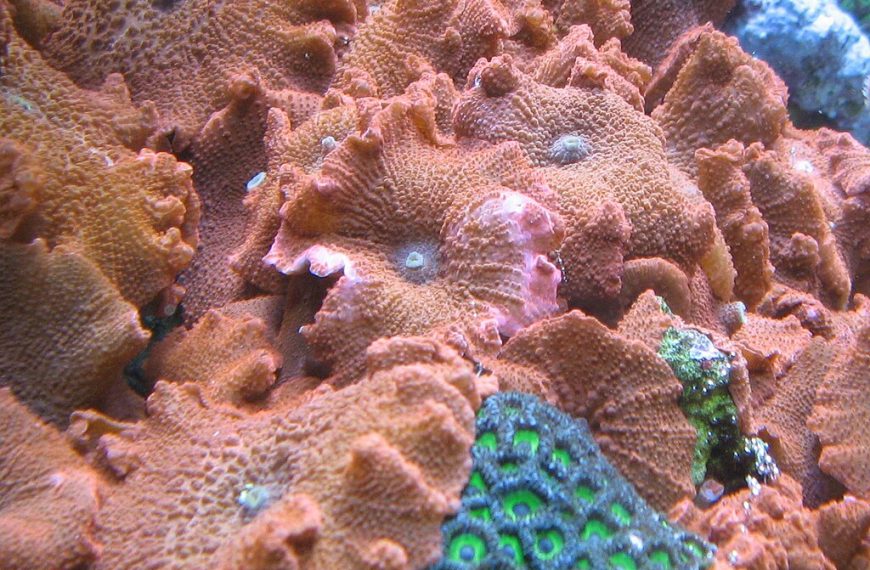
- Month 2–3: beginner corals like zoas, mushrooms, and leathers
Quarantine reduces disease risk. Use a 10–20 gallon bare tank. Observe fish for 2–4 weeks. Feed well and watch for spots or flashing. Learn more in reef fish quarantine basics.
3) Keep stability with simple weekly maintenance
Top off evaporation with fresh RO/DI daily. Salinity swings stress corals fast. A 40 gallon tank can lose 0.5–1.0 gallons per day. An auto top-off helps a lot. Keep salinity within 34–36 ppt.
Do 10–15% water changes each week at first. Match temperature and salinity closely. Clean the glass before the change. Siphon detritus from bare spots. Replace filter floss every 2–3 days if you use it.
Test alkalinity twice per week once corals grow. Alk can drop 0.3–1.0 dKH per day in stocked tanks. Dose only after you measure a trend. Start with small two-part doses. Re-test after 24 hours.
Common problems are algae and cloudy water. Algae often means excess nutrients and light. Reduce photoperiod to 6–7 hours for two weeks. Feed less and rinse frozen foods. Cloudy water often follows overfeeding or a new sand bed.
- If nitrate is 0 and corals look pale, feed more and reduce skimming
- If phosphate is 0.20+ ppm, cut feeding and add a small media bag
- If cyano appears, increase flow and siphon it during water changes
Stability comes from repeatable routines. Log test results and dosing amounts. Change only one thing at a time. Your reef will reward patience with steady growth and better color.
Sources: Borneman, E. (2001) Aquarium Corals; Delbeek, J.C. & Sprung, J. (1994–2005) The Reef Aquarium series; Fenner, R. (2001) The Conscientious Marine Aquarist.
 By
By