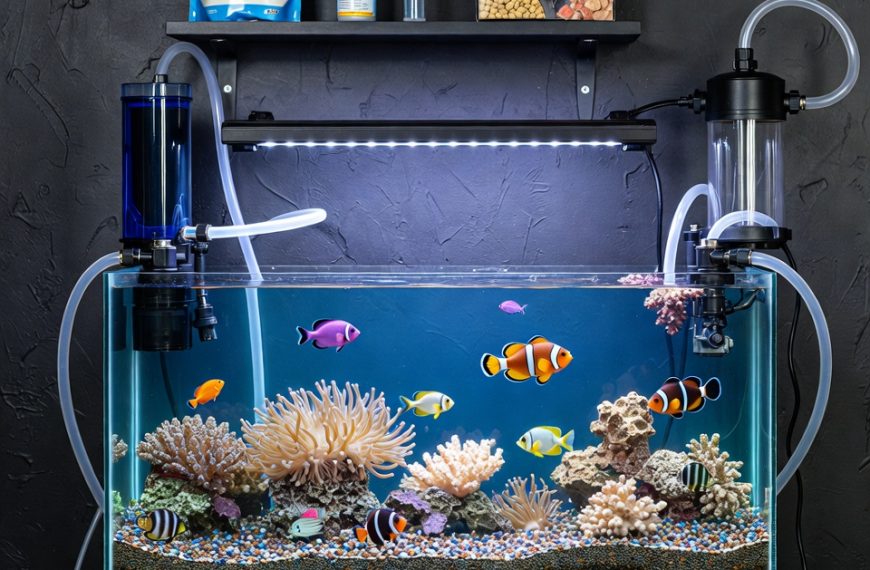

Planning beginner reef tank stocking is one of the most exciting parts of starting a saltwater aquarium. The right fish, inverts, and corals will stay healthy, get along with each other, and make your tank easier to care for. The wrong choices can lead to aggression, stress, and constant problems. Let’s walk through a simple, proven approach to stocking your first reef tank with confidence.
Start With a Smart Stocking Plan
Before buying anything, match your stocking list to your tank size, filtration, and experience level. If you haven’t yet set up your system, check out our guides on beginner reef tank setup and cycling a saltwater tank so you’re ready for livestock.
Key rules for beginner stocking
- Stock slowly: Add 1–2 fish at a time, with at least 2–3 weeks between additions.
- Research adult size: Many “small” juveniles grow quickly; plan for their full adult size.
- Prioritize peaceful species: Avoid known bullies and very territorial fish at the start.
- Quarantine when possible: A simple quarantine tank helps prevent disease outbreaks.
- Feed lightly: Overfeeding is the fastest way to algae and poor water quality.
Tip: Make a written stocking list in order of introduction. Add the shyest, most peaceful fish first and the more assertive fish last.
Beginner-Friendly Fish, Inverts, and Corals
Great first fish for a reef tank
- Ocellaris or Percula Clownfish – Hardy, colorful, and comfortable in smaller tanks (20+ gallons). Usually peaceful, especially when kept as a single or bonded pair.
- Firefish (Nemateleotris spp.) – Peaceful, active in the water column, and small. Keep a tight lid; they are known jumpers.
- Royal Gramma – Bright purple and yellow, generally peaceful, and likes rock caves. Best kept as a single in smaller tanks.
- Blennies & Gobies (e.g., Tailspot Blenny, Watchman Goby) – Tons of personality, small bioload, and many help stir sand or graze on algae.
Avoid for your first reef: large angelfish, triggers, most wrasses known for jumping or aggression, and any fish labeled “expert only.” These species often require special diets, larger tanks, or advanced care.
Clean-up crew essentials
- Snails: Trochus, Nassarius, and Cerith snails help with algae and leftover food.
- Hermit crabs (optional): Fun to watch but can bother snails; provide extra empty shells.
- Shrimp: Skunk cleaner shrimp and peppermint shrimp can help with leftover food and add movement.
Tip: Add your clean-up crew after the tank cycles and you see the first signs of algae. Too early and they may starve.
Beginner corals that stay manageable
Once your tank is stable (usually a couple of months after cycling), start with hardy, forgiving corals. For a deeper dive into coral care, see our easy soft corals for beginners guide.
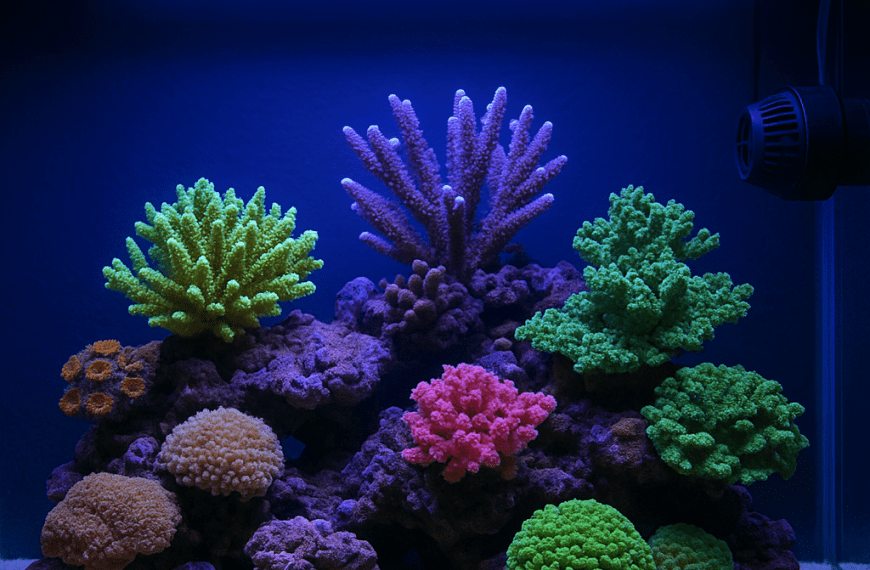
- Soft corals: Zoanthids, leathers (Sarcophyton, Sinularia), and mushrooms handle swings better than many stony corals.
- LPS corals: Hammer, frogspawn, and candy cane corals are good starter stony corals if you maintain stable calcium and alkalinity.
Give each coral room to grow and avoid placing aggressive stinging corals too close to neighbors.
Putting It All Together
A thoughtful beginner reef tank stocking plan focuses on hardy, peaceful fish; a useful clean-up crew; and forgiving starter corals. Stock slowly, test your water regularly, and adjust feeding based on nutrient levels. With patience and planning, your first reef will mature into a vibrant, stable system that’s a joy to maintain and watch.
Sources
- Fenner, R. M. (2001). The Conscientious Marine Aquarist. Microcosm.
- Michael, S. W. (2010). Marine Fishes: 500+ Essential-To-Know Aquarium Species. TFH Publications.
- Borneman, E. H. (2001). Aquarium Corals: Selection, Husbandry, and Natural History. TFH Publications.
 By
By