Starting your first saltwater aquarium is exciting, but it can feel overwhelming with all the equipment, water chemistry, and livestock choices. The good news: with a simple plan and the right gear, you can build a beautiful, stable reef or fish-only tank that’s easy to maintain and fun to grow.
Choosing the Right Tank and Essential Equipment
For beginners, stability is everything. A slightly larger tank is actually easier to care for than a tiny one.
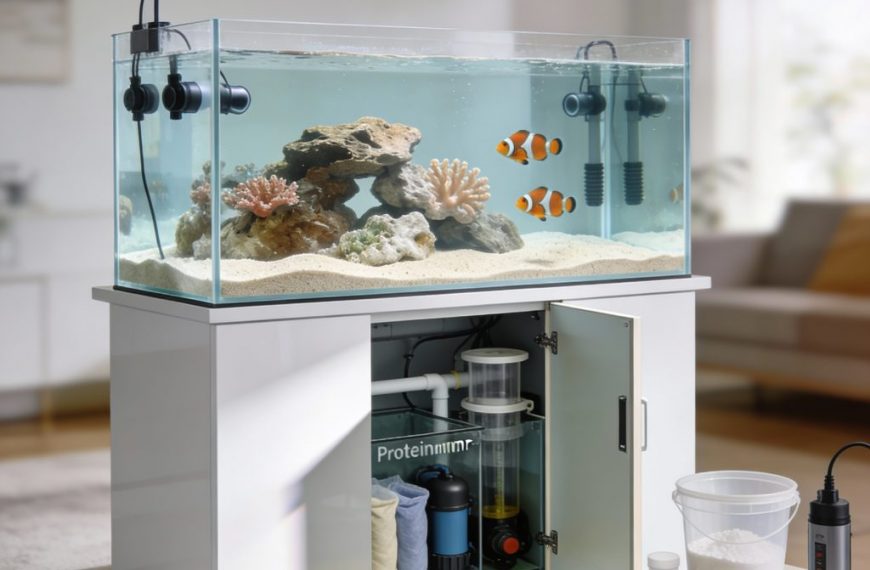
- Tank size: Aim for 20–40 gallons for your first saltwater setup. It gives you room for mistakes and more stocking options.
- Stand and location: Place the tank on a level, aquarium-rated stand away from direct sunlight, drafts, and high-traffic areas.
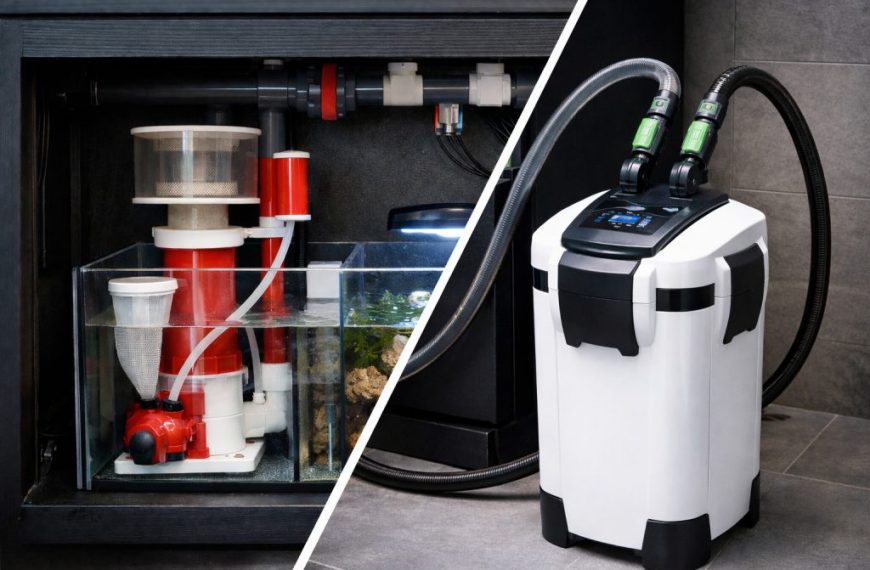
- Filtration: A simple hang-on-back filter or basic sump with filter socks and media (carbon, possibly phosphate remover) works well for a first tank.
- Heater and thermometer: Keep temperature stable between 76–79°F (24–26°C). Use a reliable, adjustable heater and a separate thermometer to double-check.
- Lighting: For a fish-only system, almost any quality LED will do. If you plan to keep corals later, choose a reef-capable LED from the start to avoid upgrading immediately.
- Water movement: Add at least one powerhead to keep water circulating and prevent dead spots where detritus collects.
For more gear details and common beginner upgrades, see our guide on essential reef tank equipment.
Setting Up: Rock, Sand, and Saltwater
Once you have the hardware, it’s time to build the foundation of your aquarium’s ecosystem.
Rock and Sand
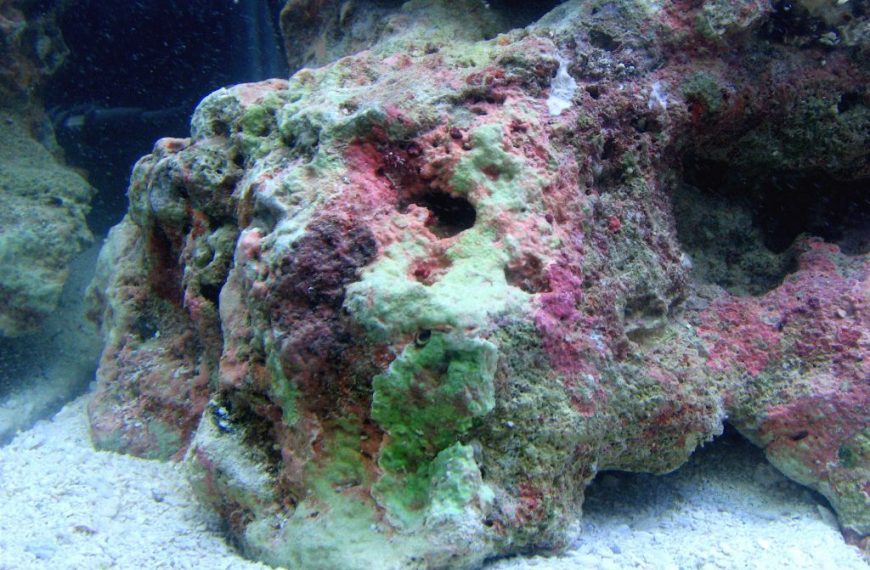
Live rock or dry rock provides biological filtration and a natural look:
- Rock choice: Use porous reef rock (live or dry). Plan for roughly 1 pound of rock per gallon as a starting point.
- Aquascape: Stack rock securely with plenty of caves and swim-throughs. Leave space around the rock for flow and cleaning.
- Sand: A 1–2 inch layer of aragonite sand is easy to maintain. Rinse dry sand before use to reduce cloudiness.
Mixing Saltwater and Starting the Cycle
- Use RO/DI water if possible, then mix a reputable marine salt to a specific gravity of 1.024–1.026.
- Fill the tank slowly, turn on the heater, filter, and powerheads, and let everything run.
- Begin the nitrogen cycle with a bottled bacteria product and a small ammonia source (fish food or pure ammonia).
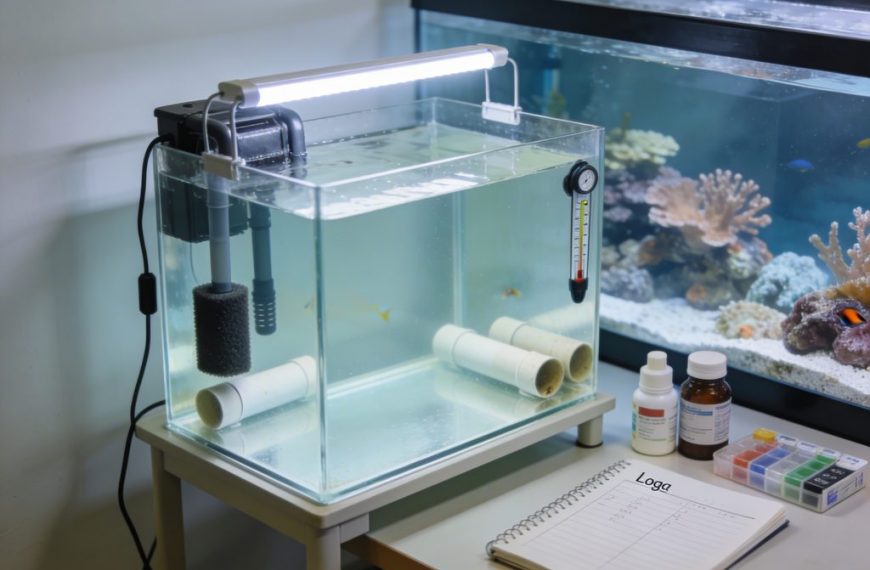
- Test ammonia, nitrite, and nitrate weekly. Only add livestock when ammonia and nitrite are consistently zero.
Pro tip: Be patient. Rushing the cycle is one of the most common reasons beginner tanks struggle in the first few months.
For a deeper dive into water chemistry basics, check out our article on reef tank water parameters.
Stocking Your First Saltwater Aquarium Safely
Once your tank is cycled, you can start adding life—slowly.
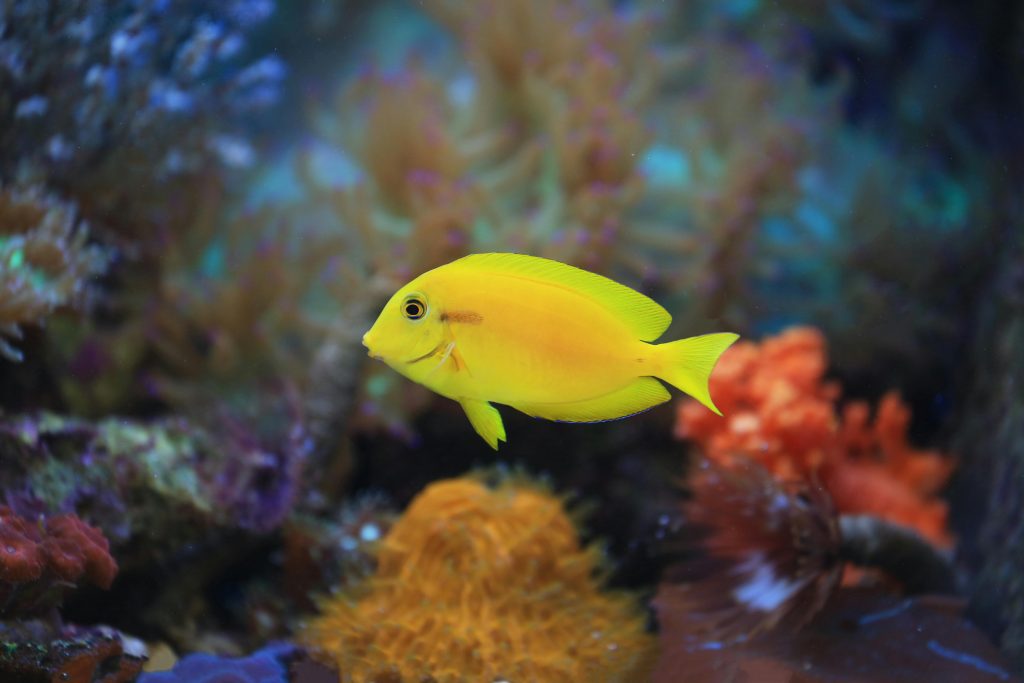
- Start with hardy fish: Ocellaris or percula clownfish, royal grammas, firefish, and some gobies are all beginner-friendly choices.
- Add a cleanup crew: Snails and hermit crabs help control algae and leftover food. Add them gradually as algae appears.
- Quarantine when possible: A small separate tank for new arrivals helps prevent disease from entering your display.
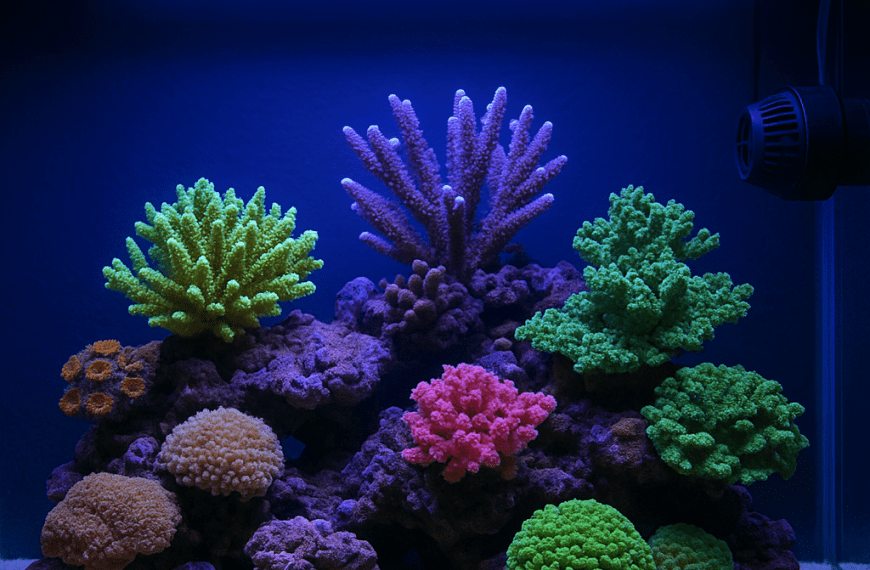
- Introduce corals later: Once your tank is stable for a few months, you can begin with hardy soft corals and large-polyp stony corals.
Need ideas for your first livestock? See our beginner-friendly list in best beginner saltwater fish.
Simple Maintenance Routine
- Test salinity and temperature weekly.
- Perform 10–15% water changes every 1–2 weeks.
- Clean the glass, empty the skimmer cup (if using), and rinse filter media as needed.
With a solid setup, slow stocking, and consistent maintenance, your first saltwater aquarium can thrive for years. Take your time, enjoy each stage, and remember: stability and patience are the real secrets to a successful marine tank.
Sources
- Sprung, J. & Delbeek, J. C. The Reef Aquarium, Vol. 1–3.
- Fenner, R. M. The Conscientious Marine Aquarist.
- Holmes-Farley, R. “Reef Aquarium Water Parameters” and related articles.
 By
By