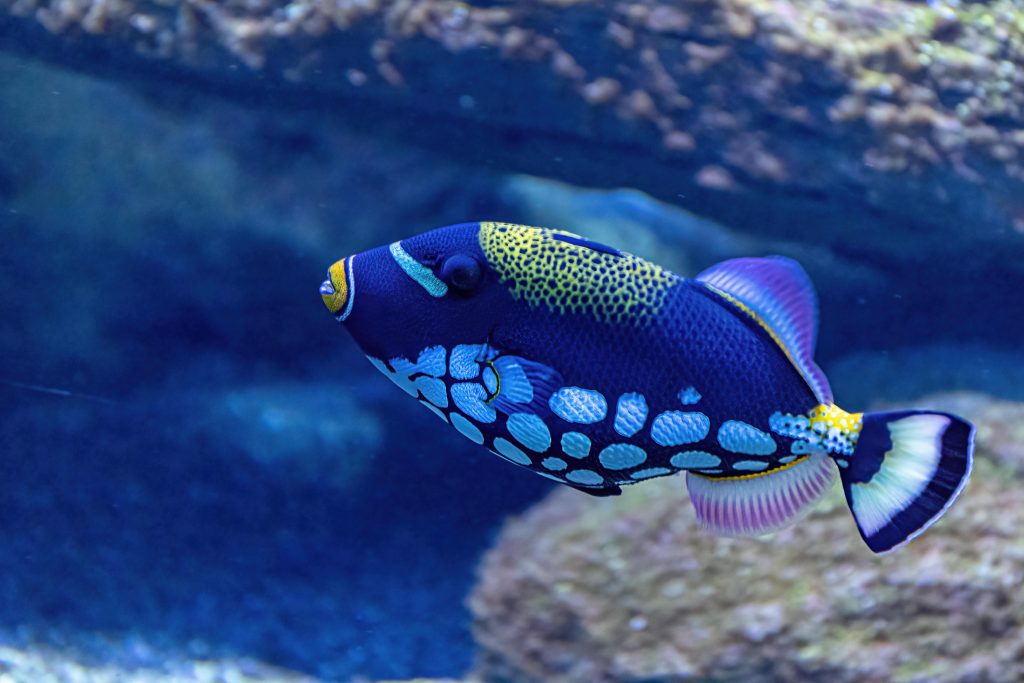
The Clown Triggerfish (Balistoides conspicillum) is bold, smart, and striking. It is also demanding and often aggressive. This guide helps you plan a safe, stable setup for long-term success.
Tank size, aquascape, and equipment
Plan for an adult fish, not a juvenile. Aim for 180 gallons minimum. Many keepers prefer 240 gallons or more. Adults can reach 10–12 inches in captivity.
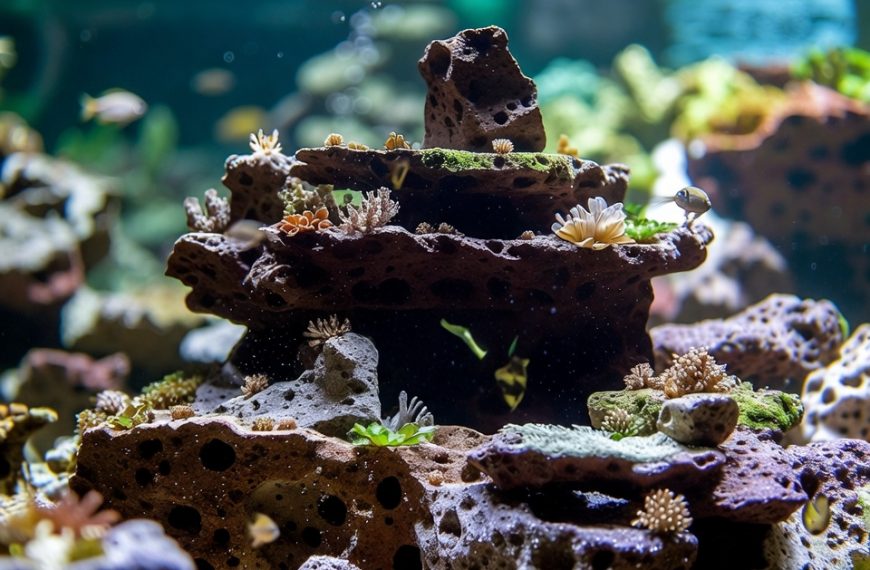
Build a rockscape with caves and thick swim lanes. Leave open water in the front third. Use stable rock structures on the glass, not on sand. Triggers dig and can topple loose stacks.
Use heavy filtration and high oxygenation. Target 10–20x turnover with strong flow. Add a quality skimmer rated for 1.5–2x your tank volume. Use a tight lid since triggers can jump when startled.
Stable parameters matter more than chasing numbers. Keep temperature 76–78°F and salinity 1.025–1.026. Maintain pH 8.1–8.4 and alkalinity 8–10 dKH. Keep nitrate under 20 ppm and phosphate under 0.10 ppm.
- Use 1–2 inches of sand, or go bare bottom for easier waste removal.
- Secure heaters and probes behind guards to prevent bites.
- Choose thick acrylic or glass for sumps and baffles near the drain.
For planning, review our tank size guide. If you want a predator system, see FOWLR setup basics.
Feeding, nutrition, and managing waste
Clown triggers are eager feeders and will beg. Feed smaller portions 2 times daily. Overfeeding quickly drives nitrate and algae. A hungry trigger is also more likely to harass tankmates.
Build a varied diet with meaty marine foods. Offer chopped shrimp, squid, and clam. Add frozen mysis and quality pellets for vitamins. Include hard foods 2–3 times weekly to wear teeth.
Use feeding tools to prevent bites and reduce mess. Long tongs work well for clam strips. A feeding dish keeps chunks off the sand. Remove uneaten food after five minutes.
Expect heavy waste and plan maintenance around it. Change 10–15% water weekly, or 20% every two weeks. Clean the skimmer cup twice weekly. Rinse filter socks every 2–3 days for best export.
- Rotate foods across the week to prevent deficiencies.
- Soak foods in a vitamin supplement 1–2 times weekly.
- Test nitrate and phosphate weekly during the first two months.
Temperament, tankmates, and quarantine
This species is often aggressive, especially as it matures. Many individuals become territorial at 6–8 inches. Treat it as a “centerpiece predator,” not a community fish. Reef tanks are risky due to invertebrate predation.
Choose robust tankmates with similar size and attitude. Good candidates include large angelfish, some groupers, and hardy tangs. Avoid small fish, slow fish, and long-finned species. Avoid shrimp, crabs, and most snails.
Introduce the trigger last when possible. Use an acclimation box for 24–72 hours. Rearrange a few rocks before release to break territories. Feed the tank first, then release the fish during low light.
Quarantine is still worth it, but it must be secure. Use a 40–75 gallon bare tank for juveniles. Add PVC elbows for shelter and a tight lid. Watch for ich and velvet during the first 14 days.
- Never hand-feed. Triggers can bite hard and fast.
- Use thick gloves when moving rocks or cleaning near its cave.
- Have a fish trap ready for emergencies and rehoming.
For disease prevention steps, see our marine fish quarantine protocol. It helps you build a repeatable routine.
Common problems and quick fixes
Fin nipping and chasing often start after a tank change. Check for cramped swim space or weak flow. Increase hiding spots for other fish. Reduce lighting intensity for a few days.
Cloudy water and algae blooms usually follow heavy feeding. Cut feeding by 25% for one week. Increase mechanical filtration and water changes. Verify nitrate stays under 20 ppm and phosphate under 0.10 ppm.
Refusal to eat can signal stress or parasites. Confirm temperature and salinity first. Offer fresh clam on the half shell as a trigger food. If flashing or rapid breathing appears, isolate and treat in quarantine.
Teeth overgrowth can happen with soft diets. Add shelled foods and crunchy pellets. Offer crab legs or clam twice weekly. Avoid freshwater feeder fish due to fatty acid issues.
The Clown Triggerfish rewards careful planning with huge personality. Give it space, structure, and strong filtration. Feed a varied diet and keep parameters stable. With the right system, it can thrive for many years.
Sources: FishBase (Balistoides conspicillum species summary); Scott W. Michael, Marine Fishes; Fenner, The Conscientious Marine Aquarist.
 By
By