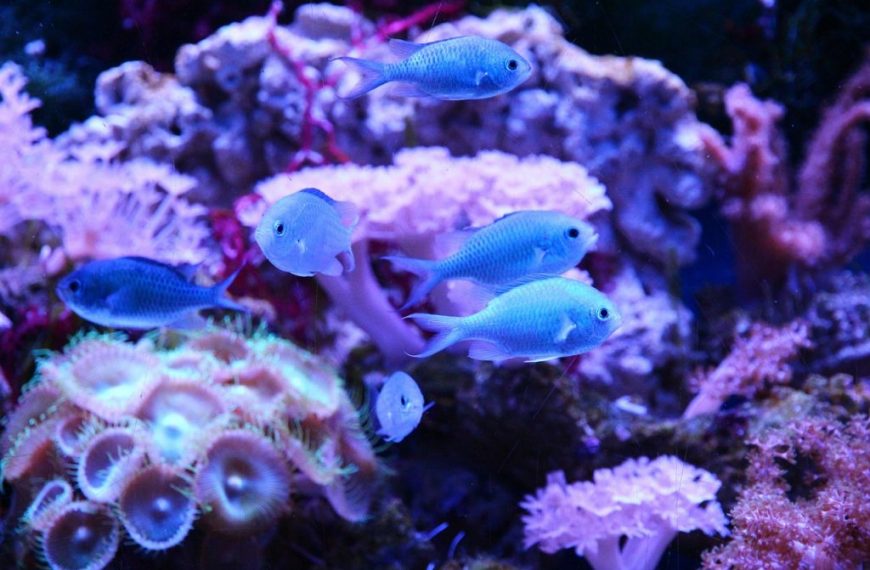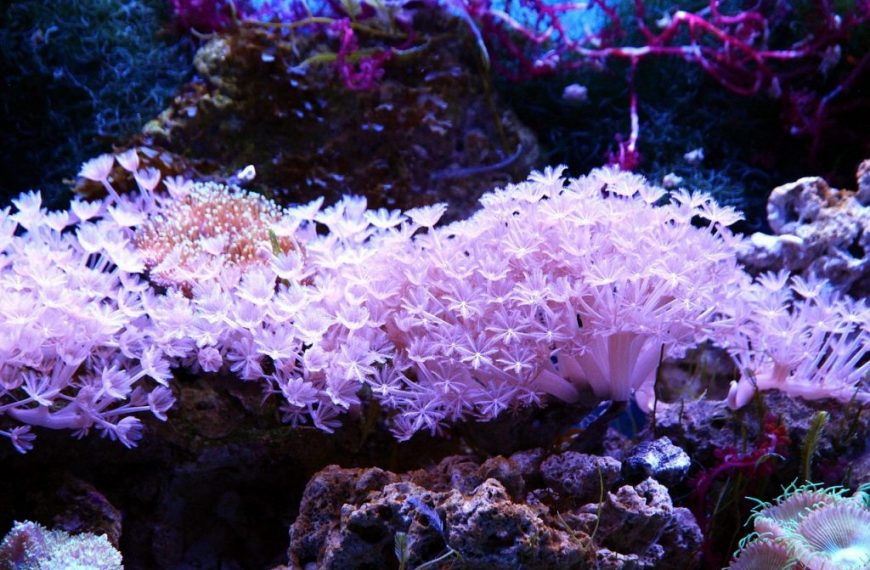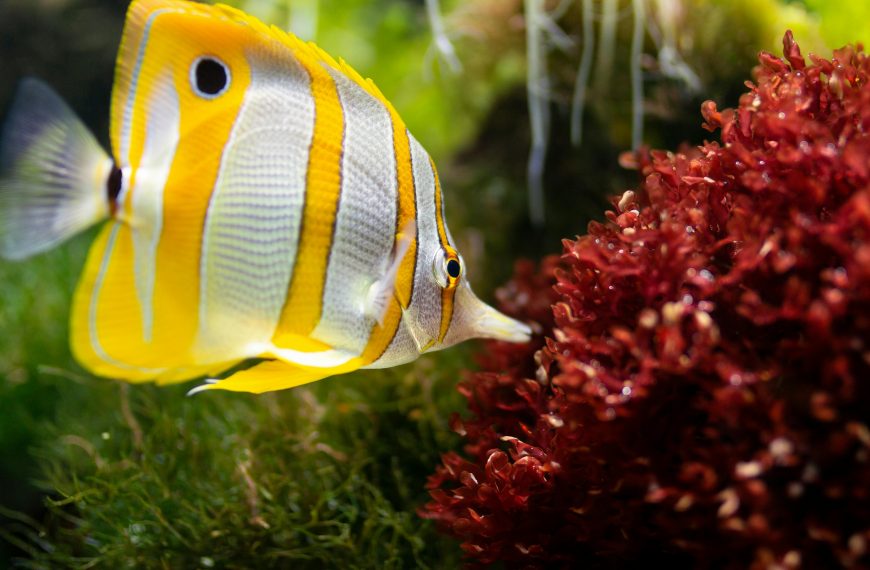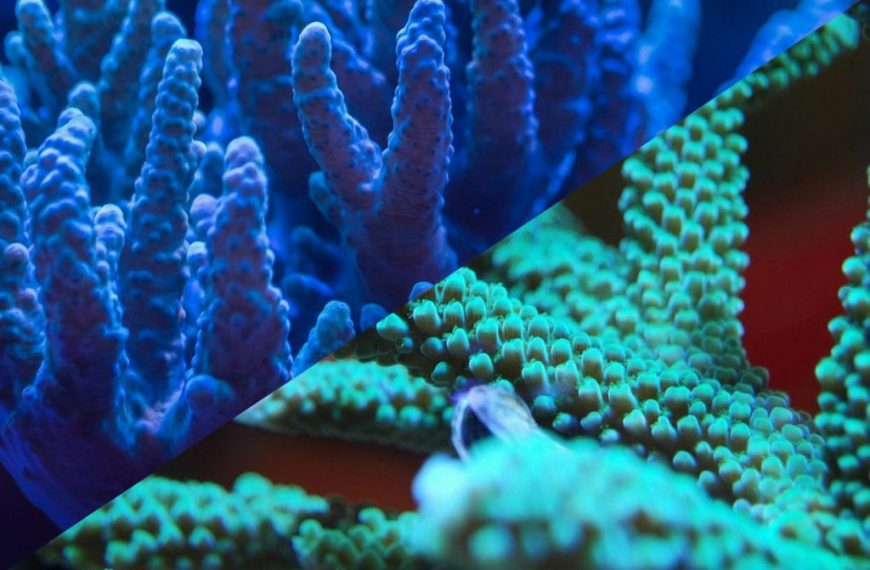
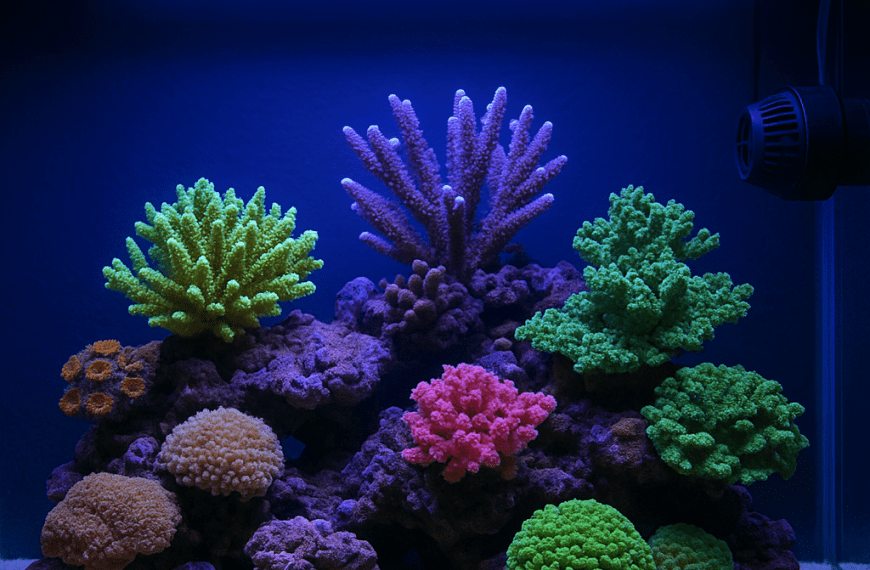
Small reef tanks can look amazing with the right corals. The key is choosing hardy species that tolerate minor swings. You also need to match coral’s needs to your light and flow.
Start with the right small-tank setup
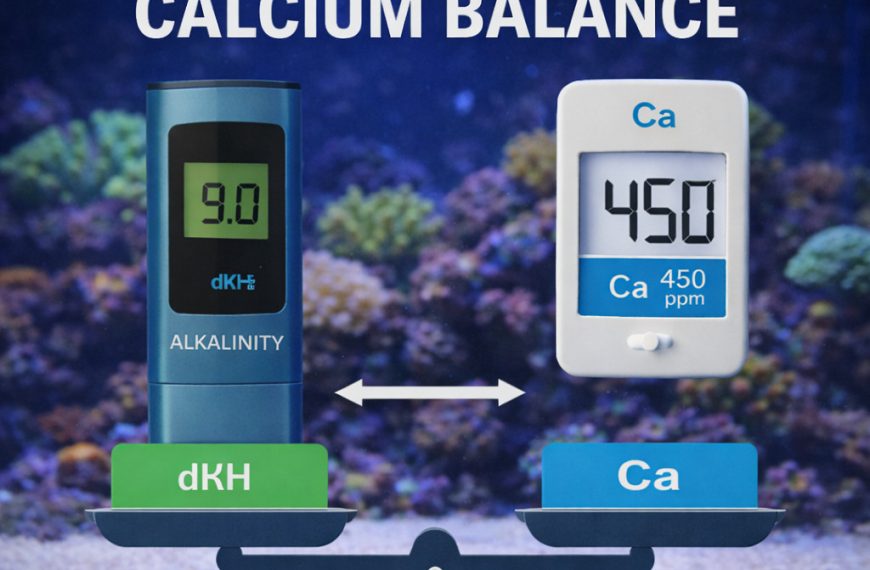
In a nano reef, stability matters more than chasing numbers. Aim for salinity at 1.025 to 1.026. Keep the temperature at 77 to 79°F. Hold alkalinity at 8 to 9 dKH for steady growth.
Keep nutrients present but controlled. Target nitrate at 2 to 15 ppm. Target phosphate at 0.03 to 0.10 ppm. Corals often fade in “too clean” tanks.
Light should match the coral type and tank depth. Many easy corals do well at 50 to 150 PAR. Start lower if you are unsure. Increase intensity by 5% per week.
Flow should be random and moderate. Avoid blasting tissue directly. Point a wavemaker at the glass to diffuse flow. If detritus settles, increase flow in short pulses.
- Test weekly: salinity, alkalinity, nitrate, and phosphate.
- Do 10% water changes each week in tanks under 20 gallons.
- Top off daily or use an ATO to prevent salinity swings.
For a deeper setup guide, see our nano reef setup checklist. For parameter targets, use our reef tank water parameters reference.
Best easy corals for small reef tanks
Soft corals are the safest starting point. Zoanthids can thrive under moderate light and flow. Place them on an isolated rock. They can spread fast in small tanks.
Mushrooms are another great choice. Try Discosoma or Rhodactis types first. They tolerate lower light and higher nutrients. Keep them away from high-flow areas.
Leather corals like toadstools are hardy and forgiving. They may “shed” and close for a few days. This is normal. Provide moderate flow to help them reopen.
LPS can work well if you keep the alkalinity stable. Duncan corals are excellent in small tanks. They accept target feeding and show clear polyp extension. Candy cane corals also stay compact and predictable.
- Zoanthids: 75–150 PAR, moderate flow, isolate on a rock.
- Mushrooms: 30–100 PAR, low flow, expect slow movement.
- Toadstool leather: 75–150 PAR, moderate flow, occasional shedding.
- Duncan: 75–150 PAR, gentle flow, feed 1–2 times weekly.
- Candy cane: 75–150 PAR, low to moderate flow, leave space to grow.
Want a simple stocking plan? Start with two soft coral frags. Add one LPS after four weeks. Track alkalinity twice per week at first. Small tanks can swing fast after new additions.
Placement, feeding, and common problems
Acclimate corals to light slowly. Use a lower rack position for seven days. Then move them up in small steps. This prevents bleaching in shallow nano tanks.
Give corals space for growth and stings. Many LPS extend sweepers at night. Leave 2 to 3 inches between LPS and neighbors. Keep mushrooms and zoas on separate islands when possible.
Feeding helps in small tanks with modest nutrients. Target feed Duncans once or twice weekly. Use small mysis or reef pellets. Turn off pumps for five minutes to reduce waste.
If polyps stay closed, check the basics first. Salinity swings are a top cause. Alk jumps over 1 dKH per day can also stress corals. Pests like nudibranchs can hit zoas fast.
- If zoas are closed, inspect at night with a flashlight for pests.
- If LPS recedes, verify alkalinity daily for three days.
- If the leather stays closed, increase random flow and wait 48 hours.
For safe coral handling and dips, read our coral dip guide. Dipping reduces hitchhikers in small systems. It also protects your limited rock space.
Sources: Borneman, E. (2001) Aquarium Corals; Sprung, J. (2002) The Reef Aquarium Vol. 3; Delbeek & Sprung (1994–2005) The Reef Aquarium series.
 By
By