Fish disease can derail a reef fast. A fallow period is a proven way to break parasite cycles. It protects your fish without dosing the display.
What “fallow” means and when to use it
Fallow means no fish in the display tank for a set time. Most hobbyists use it to clear ich and velvet. These parasites need fish to complete their life cycle.
Use fallow after you see white spots, heavy breathing, or flashing. Also use it after a confirmed velvet loss. If you add an unquarantined fish, assume risk is high.
Common timelines are 45 to 76 days. For Cryptocaryon irritans (marine ich), 76 days is the safest standard. For Amyloodinium (velvet), 45 days often works, but many still run 76.
Fallow is not a cure for fish already infected. You must treat fish in a separate tank. Use copper or chloroquine phosphate for velvet and ich. Use praziquantel for flukes.
- Ich fallow target: 76 days at 77–80°F.
- Velvet fallow target: 45–76 days, depending on risk tolerance.
- Keep salinity stable at 1.025–1.026 during fallow.
For background, review our reef tank quarantine guide. Also see marine ich vs velvet for symptom differences.
Step-by-step fallow plan for a reef display
Step one is removing every fish. Catching fish is hardest in a reef. Use a fish trap and feed inside it for two days. You can also drain to 50% and remove key rocks.
Move fish to a hospital or quarantine tank. Use a bare-bottom tank with PVC hides. Match temperature and salinity to the display. Use an air stone and a seeded sponge filter.
Start your fallow clock when the last fish leaves the display. Keep normal reef parameters stable. Aim for 77–79°F, alkalinity 8–9 dKH, and nitrate 5–15 ppm. Keep phosphate near 0.03–0.10 ppm.
Feed the tank lightly to support bacteria and corals. Ghost feed 2–3 times per week. Use a pinch of pellets or 1–2 mL of coral food. Avoid big swings that cause algae blooms.
- Run your skimmer as normal during fallow.
- Change 10–15% water every 1–2 weeks.
- Test ammonia weekly if the tank is lightly stocked with corals.
Do not add new fish during fallow. Do not “test” with a hardy fish. That resets the clock. If you must add inverts or coral, use a separate coral QT first.
For safer stocking later, read coral dip and coral quarantine. It helps avoid hitchhikers and disease vectors.
Troubleshooting, common mistakes, and reintroduction
The biggest mistake is leaving “one fish” behind. A single clownfish can keep parasites alive. Another mistake is sharing nets and towels between tanks. Cross contamination can restart an outbreak.
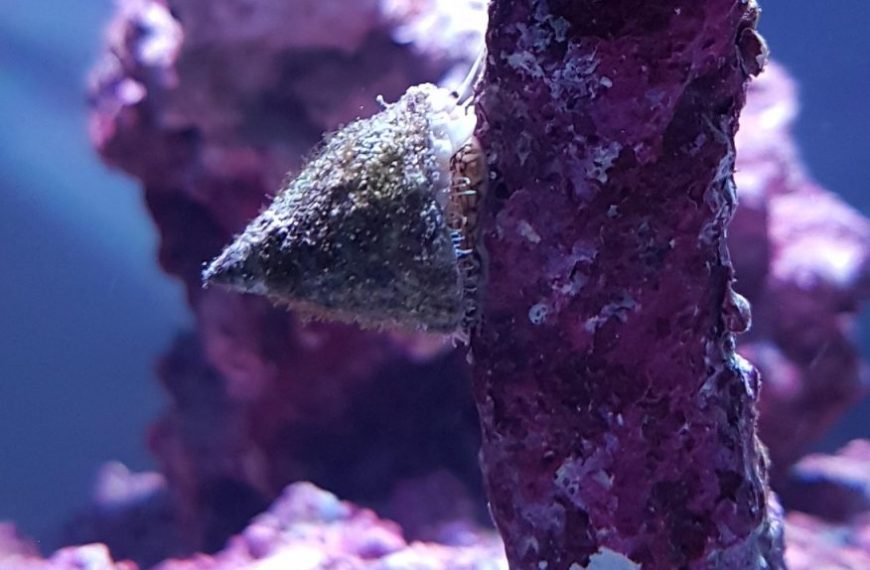
Inverts can stay in the display. Snails, shrimp, and corals do not host ich or velvet. They can still carry water on shells and bags. Rinse bags and discard store water every time.
Watch for nutrient drift during fallow. Fish waste often kept nitrate stable. Corals may pale if nitrate hits zero. If nitrate drops under 2 ppm, increase feeding slightly or dose nitrate carefully.
When fallow ends, add only quarantined fish. Quarantine for 30 days minimum. Observe feeding, breathing, and spots daily. Consider prophylactic copper at 2.0–2.5 ppm for 14–30 days, per product.
- Label tools for each tank and never mix them.
- Keep a written fallow calendar on the stand.
- Acclimate new fish slowly and avoid salinity swings over 0.002.
Fallow periods require patience, but they work. Combine fallow with proper fish treatment and strict quarantine. Your reef will be more stable and far less stressful long term.
Sources: Colorni & Burgess (1997) on Cryptocaryon biology; Noga (2010) Fish Disease: Diagnosis and Treatment; HumbleFish disease lifecycle summaries (archived notes).
 By
By