Fish that gasp at the surface are telling you something is wrong. In saltwater tanks, the cause is often low oxygen, high toxins, or poor water movement. Act fast, because surface gasping can turn into losses within hours.
What surface gasping really means
Most marine fish breathe by pulling water across their gills. If oxygen is low, they move to the surface film. That area can hold slightly more oxygen. It also lets them gulp water where exchange is easier.
Low oxygen often follows poor surface agitation. It can also follow a powerhead failure. Warm water holds less oxygen than cool water. A tank at 82–84°F can crash faster than one at 78°F.
High dissolved CO2 can cause the same behavior. CO2 rises when a room is closed up. It also rises when bacterial blooms consume oxygen. Fish may gasp even if you have “good” oxygen on paper.
Gasping can also be gill damage, not just oxygen. Ammonia burns gill tissue quickly. Many gill parasites cause rapid breathing too. Watch for flared gill covers, flashing, and clamped fins.
Quick checks help you decide fast. Look for dead spots and oily surface film. Check if the skimmer is running and pulling air. Compare breathing rates between fish species.
- Normal reef temperature target: 77–79°F for stability.
- Good pH range: 8.0–8.4, with minimal daily swing.
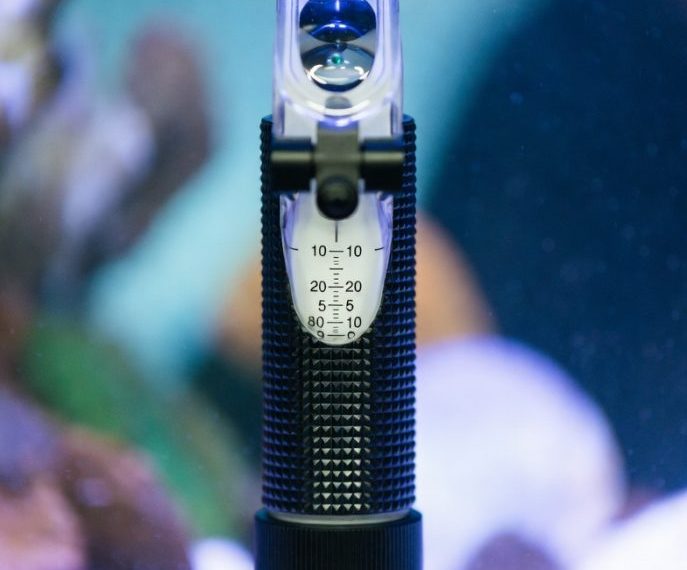
- Keep salinity stable: 1.025–1.026 specific gravity.
If you need a refresher on stable basics, review our reef tank water parameters guide. It helps you spot patterns before emergencies happen.
Most common causes in saltwater aquariums
Cause one is low oxygen from weak gas exchange. A covered tank, low flow, and a dirty overflow can trap CO2. A skimmer with a clogged air intake also reduces aeration. Surface ripples matter more than deep flow.
Cause two is ammonia or nitrite during a cycle or mini-cycle. Ammonia should be 0.00 ppm at all times. Nitrite should be 0 ppm too. In marine tanks, ammonia is the bigger immediate danger.
Cause three is an oxygen crash from a bacterial bloom. This can follow overdosing carbon sources or adding too much bottled bacteria. The water may look cloudy or milky. Fish often gasp at night first.
Cause four is gill disease. Marine ich, velvet, and flukes can all trigger rapid breathing. Velvet is the fastest killer. Fish may hide, stop eating, and breathe hard within a day.
Cause five is chemical contamination. Aerosols, cleaners, or rusty equipment can irritate gills. A dying anemone or sponge can also foul water fast. Run fresh carbon if you suspect toxins.
- Check surface agitation first. Aim a powerhead slightly upward.
- Confirm heater accuracy with a separate thermometer.
- Inspect the skimmer air line for salt creep and blockages.
- Smell the tank. A sharp odor can hint at die-off.
For a step-by-step disease plan, see our quarantine tank setup. It helps you treat fish without stressing the display.
Immediate response plan and troubleshooting
First, increase oxygen right away. Point a powerhead at the surface. Open the lid if you can. If you have an air pump, add an airstone in the sump or display.
Second, test ammonia with a reliable kit. If ammonia is above 0.10 ppm, act immediately. Do a 25–50% water change with matched salinity and temperature. Use a detoxifier that binds ammonia if needed.
Third, check temperature and pH. Drop temperature slowly if it is high. Aim for a 1°F reduction per hour. Improve room ventilation if pH is low from CO2 buildup.
Fourth, decide if this is likely disease. If several fish breathe hard but water tests are clean, suspect parasites. Move fish to quarantine if possible. Treat based on symptoms and confirmed diagnosis.
Common mistakes make things worse. Do not overfeed “to help them.” Do not add random medications to the display. Do not chase pH with buffers during a crisis.
- Emergency water change: 25–50%, then re-test in 30 minutes.
- Target dissolved oxygen: keep strong surface ripples all day.
- Night risk: add extra aeration after lights out.
For long-term prevention, tighten your routine. Clean pumps monthly and skimmer parts every two weeks. Keep a spare powerhead and air pump on hand. A simple plan prevents most gasping events.
If you want to upgrade flow planning, read our reef tank flow guide. Better circulation reduces dead zones and stabilizes oxygen.
Sources: Randy Holmes-Farley, “Oxygen in the Reef Aquarium” (Reefkeeping Magazine); Jay Hemdal, The Marine Fish Health & Feeding Handbook; Noga, Fish Disease: Diagnosis and Treatment.
 By
By