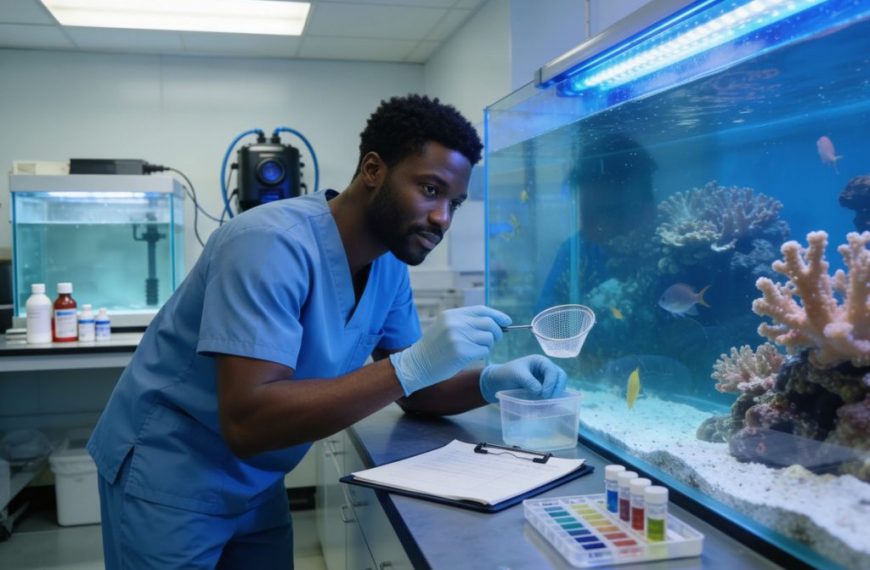
Quarantine protects your display tank from parasites and bacterial outbreaks. It also gives new fish time to eat well and recover from shipping stress. A simple, repeatable protocol makes the process easier.
Set up a simple quarantine tank
Use a bare-bottom tank of 10 to 20 gallons for small fish. Use 29 to 40 gallons for larger fish. Add a heater, lid, and an air-driven sponge filter. Aim for 76 to 78°F and steady aeration.
Seed the sponge filter in your sump for 2 to 4 weeks. This gives you ready biofiltration. If you cannot seed, use bottled bacteria and test daily. Keep ammonia under 0.2 ppm at all times.
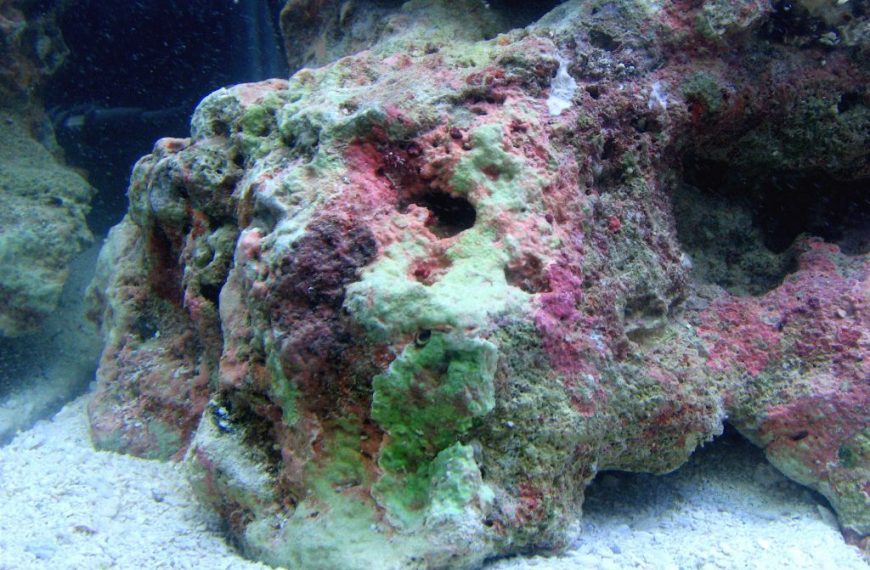
Add hiding places that are easy to clean. Use PVC elbows and couplers in several sizes. Skip sand and live rock in medicated quarantine. They absorb meds and complicate dosing.
Match salinity to the shipping water at first. Many fish arrive at 1.018 to 1.022 specific gravity. Raise it slowly toward 1.025 over several days. Use a refractometer and calibrate it with 35 ppt fluid.
- Keep a dedicated net, siphon, and bucket for quarantine only.
- Use an ammonia alert badge plus a liquid test kit.
- Have premixed saltwater ready for fast water changes.
Day-by-day quarantine protocol
Start with acclimation and observation. Dim the lights for the first day. Offer a small meal within 6 to 12 hours. Remove leftovers after five minutes to limit ammonia spikes.
Run an observation-only phase for 3 to 7 days. Watch breathing rate, flashing, and fin damage. Test ammonia and nitrite daily during week one. Do a 25% water change if ammonia rises above 0.2 ppm.
Decide on a treatment plan based on risk and species. Many hobbyists use prophylactic treatment for ich and velvet. Copper is common for these parasites. Use a chelated copper and keep 2.0 to 2.5 ppm for 14 days, but follow your product label.
Use a reliable copper test that matches your copper type. Test twice daily for the first three days. Dose in small steps over 48 hours. This reduces stress and helps sensitive fish adjust.
- Feed twice daily during quarantine to build weight and immunity.
- Keep pH stable at 8.0 to 8.3 with good gas exchange.
- Log test results and doses in a notebook or phone note.
Troubleshooting, common mistakes, and graduation to the display
Ammonia is the top quarantine killer. A new tank can spike fast after heavy feeding. If you see 0.5 ppm ammonia, act at once. Do a 50% water change and add detoxifier if needed.
Another common mistake is mixing incompatible meds. Copper plus many antibiotics can stress fish. Praziquantel is often safe with copper, but confirm your labels. When in doubt, treat in separate phases.
Watch for velvet warning signs. These include rapid breathing and hiding in flow. Fish may stop eating within a day. If you suspect velvet, start copper quickly and increase aeration. Move the fish to a clean, heated tank if the current tank is fouled.
Before transfer, run a medication-free observation window. Aim for 7 to 14 days with normal feeding and behavior. Match salinity and temperature to the display tank. Then transfer using a container, not a net, to reduce slime coat damage.
For more detail on stability, review our reef water parameters guide. If you need help with stress signs, see common fish stress signals. For safer introductions, read how to acclimate saltwater fish.
Quarantine takes planning, but it prevents expensive losses. Keep the setup simple and test often. With a consistent protocol, your display tank stays stable and your fish thrive.
Sources: HumbleFish quarantine and treatment articles; Noga, “Fish Disease: Diagnosis and Treatment”; Colorni and Burgess research on Cryptocaryon irritans.
 By
By