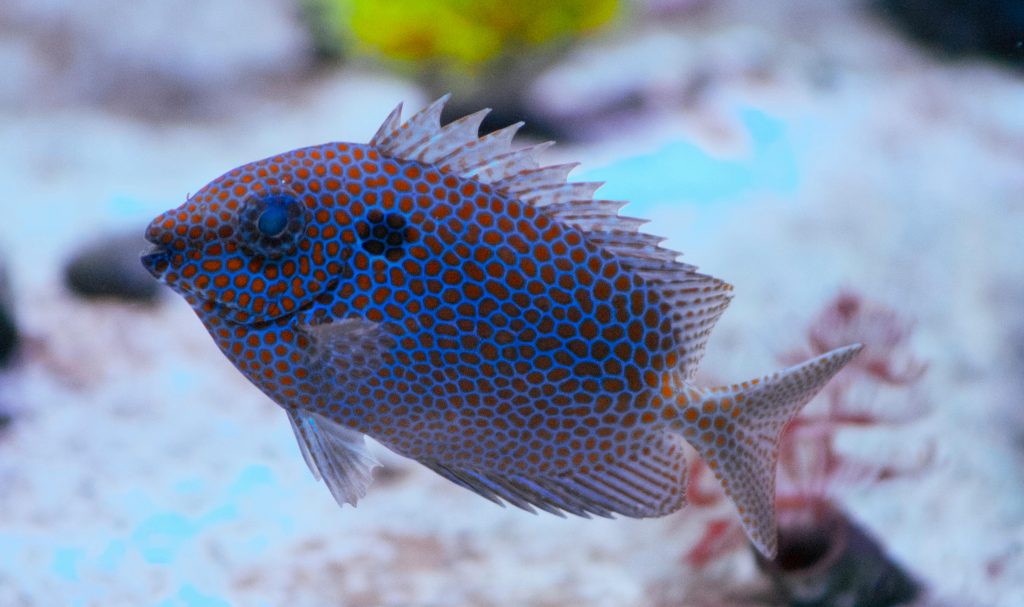
The Gold Spotted Rabbitfish is a hardy, active grazer with bold patterning. It can be a great algae helper in larger saltwater tanks. It also has a few habits you must plan for.
What to expect from Gold Spotted Rabbitfish behavior
Gold Spotted Rabbitfish (Siganus punctatus) can reach 9 to 10 inches. Plan for a 125-gallon tank minimum. A 180-gallon system is easier for long-term success.
This fish is peaceful but can be defensive when stressed. It has venomous dorsal spines. Use a container, not a net, during moves. Keep a first-aid plan ready for accidental stings.
Rabbitfish often change color with mood and lighting. Dark blotches can appear at night. That is normal in many cases. Rapid breathing and clamped fins are not normal.
They do best with calm tankmates that do not harass them. Avoid aggressive triggers and large dottybacks. Good matches include tangs, wrasses, and peaceful angels. Add the rabbitfish after very aggressive fish, if needed.
- Tank size: 125 gallons minimum, with long open swim lanes
- Rockwork: stable arches and caves for quick retreat
- Cover: tight lid, since startled fish can jump
For more stocking planning, see our reef fish compatibility guide. For safer handling methods, review our quarantine protocol for saltwater fish.
Feeding and water parameters that keep them thriving
Gold Spotted Rabbitfish are herbivores with an opportunistic bite. Feed them twice daily. Offer algae sheets in the morning. Feed a mixed frozen blend at night.
Use a clip for nori and replace it within 4 hours. Old seaweed can foul water fast. Add spirulina pellets, blanched spinach, and macroalgae. Many fish also accept mysis, but keep meaty foods limited.
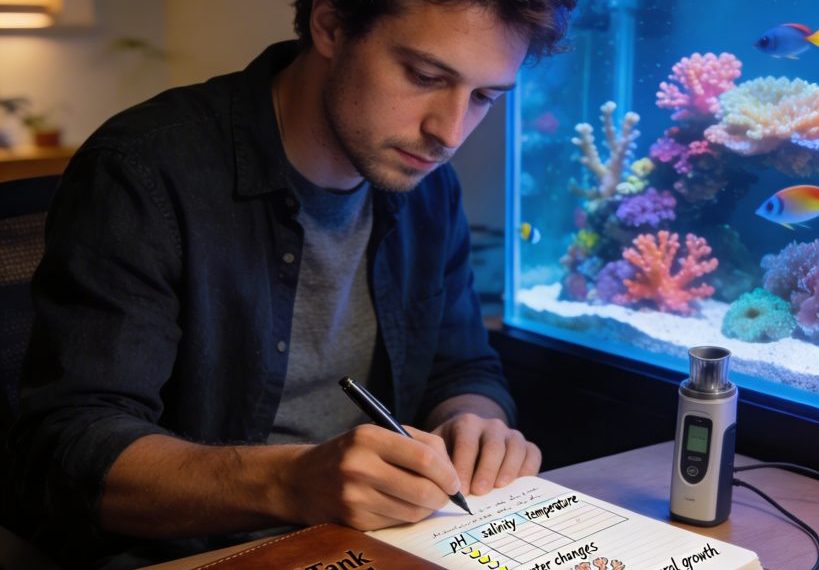
Stable reef parameters matter more than chasing exact numbers. Aim for 76–79°F and 1.025 specific gravity. Keep pH at 8.1–8.4 and alkalinity at 8–9 dKH. Keep nitrate at 5–20 ppm and phosphate at 0.03–0.10 ppm.
Low oxygen can cause fast breathing in big herbivores. Use strong surface agitation and steady flow. A skimmer helps in heavy feeding schedules. Test after any equipment change and after new fish additions.
- Feed schedule: nori AM, frozen herb mix PM
- Target salinity: 1.025, measured with a calibrated refractometer
- Weekly goal: 10–15% water change in high-biomass systems
Reef safety, algae control, and common problems
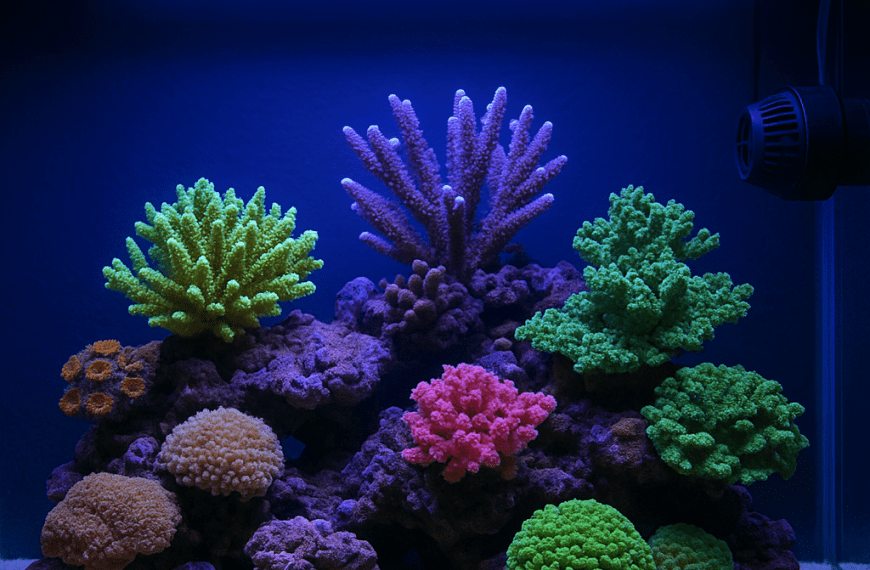
Many rabbitfish help with nuisance algae, including hair algae. They can also nip some corals when underfed. Risk rises with fleshy LPS and some zoanthids. Keep algae and veggie foods available every day.
Use a simple test to gauge coral risk. Place a small nori strip near the rockwork. Watch if the fish still pecks at coral tissue. If it does, increase feeding and add macroalgae in a refugium.
Quarantine is strongly advised for 21 to 30 days. Rabbitfish can carry ich and flukes. Watch for flashing and cloudy eyes. Treat flukes with praziquantel in a separate tank.
Common mistakes include small tanks and weak lids. Another mistake is letting seaweed run out. That often triggers coral nipping. Also avoid sudden salinity swings during top-off or water changes.
- If breathing is fast, check temperature and oxygen first
- If algae returns, increase export and reduce overfeeding pellets
- If coral nipping starts, add more nori and shorten light intensity changes
For algae strategy ideas, read our nuisance algae control guide.
Gold Spotted Rabbitfish can be a standout fish in large, stable systems. Give it space, steady parameters, and daily greens. Plan for safe handling and smart quarantine. You will get a hardy grazer with great personality.
Sources: FishBase (Siganus punctatus species summary); Scott W. Michael, Marine Fishes (T.F.H. Publications); Fenner, The Conscientious Marine Aquarist (TFH).
 By
By