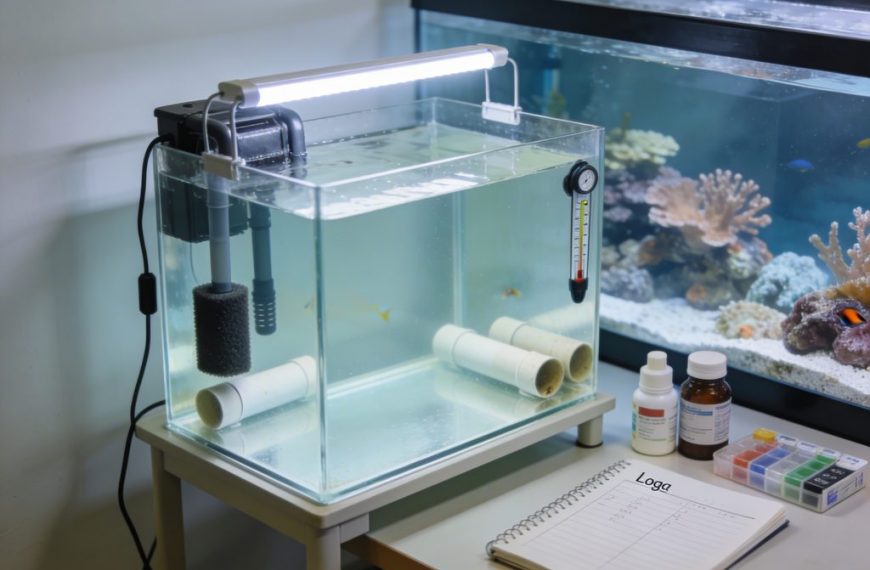
Quiet, safe overflow plumbing is a core reef skill. Two popular designs are the Herbie and the Beananimal. Both can run nearly silent, but they differ in tuning, safety, and space.
Herbie overflow: simple, quiet, and compact
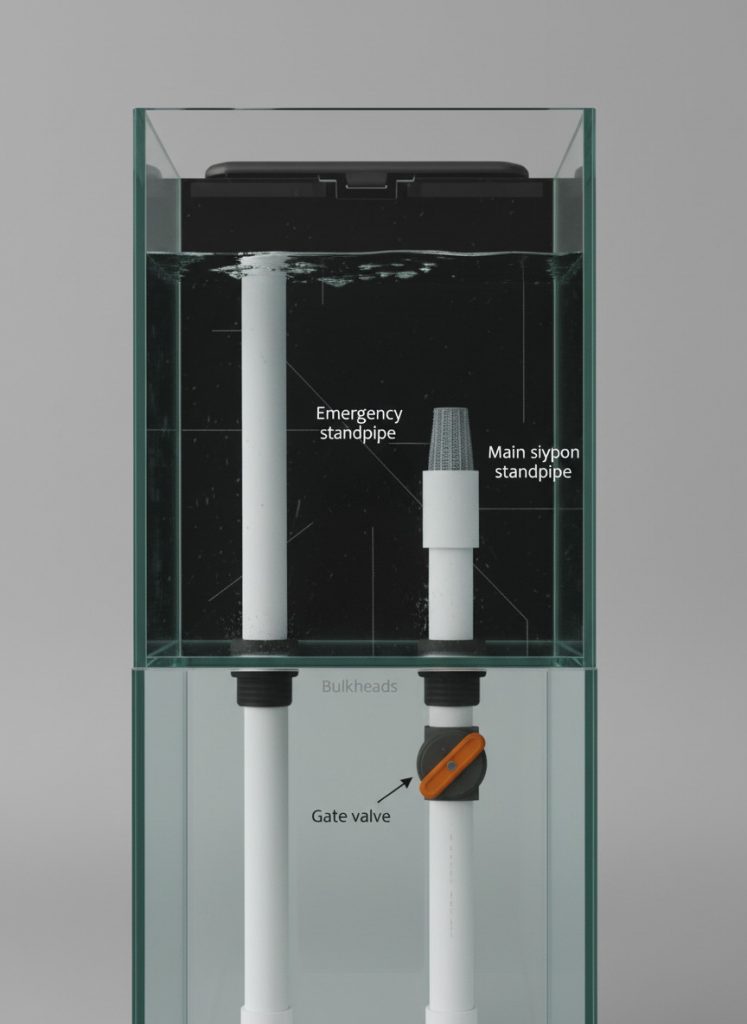
A Herbie uses two drains. One is a full siphon with a gate valve. The second is an emergency standpipe. The siphon carries almost all flow. The emergency stays dry in normal use.
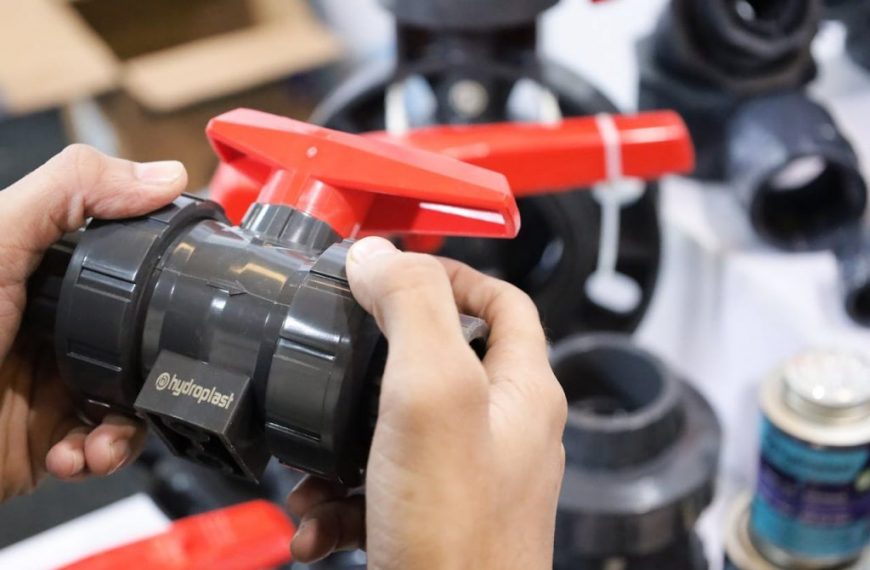
Most hobbyists target 3–5x display turnover through the sump. On a 75-gallon reef, that is 225–375 GPH. A 1-inch siphon can handle this easily. Use a true-union gate valve, not a ball valve. Place it below the overflow for stable control.
Tuning is straightforward but needs patience. Start with the valve fully open. Let the emergency take some flow. Slowly close the valve until the overflow water level rises. Stop when the emergency just stops trickling. Wait two minutes between adjustments.
Common mistakes cause noise and surging. A siphon intake set too high will suck air. A return pump that varies can break the tune. Keep the overflow level stable with an ATO. For more on tuning, see gate valve tuning for overflows.
- Use a strainer on both standpipes to block snails.
- Keep the emergency inlet 1–2 inches above the siphon inlet.
- Test a full shutdown by closing the siphon valve fully.
Beananimal overflow: maximum safety with three drains
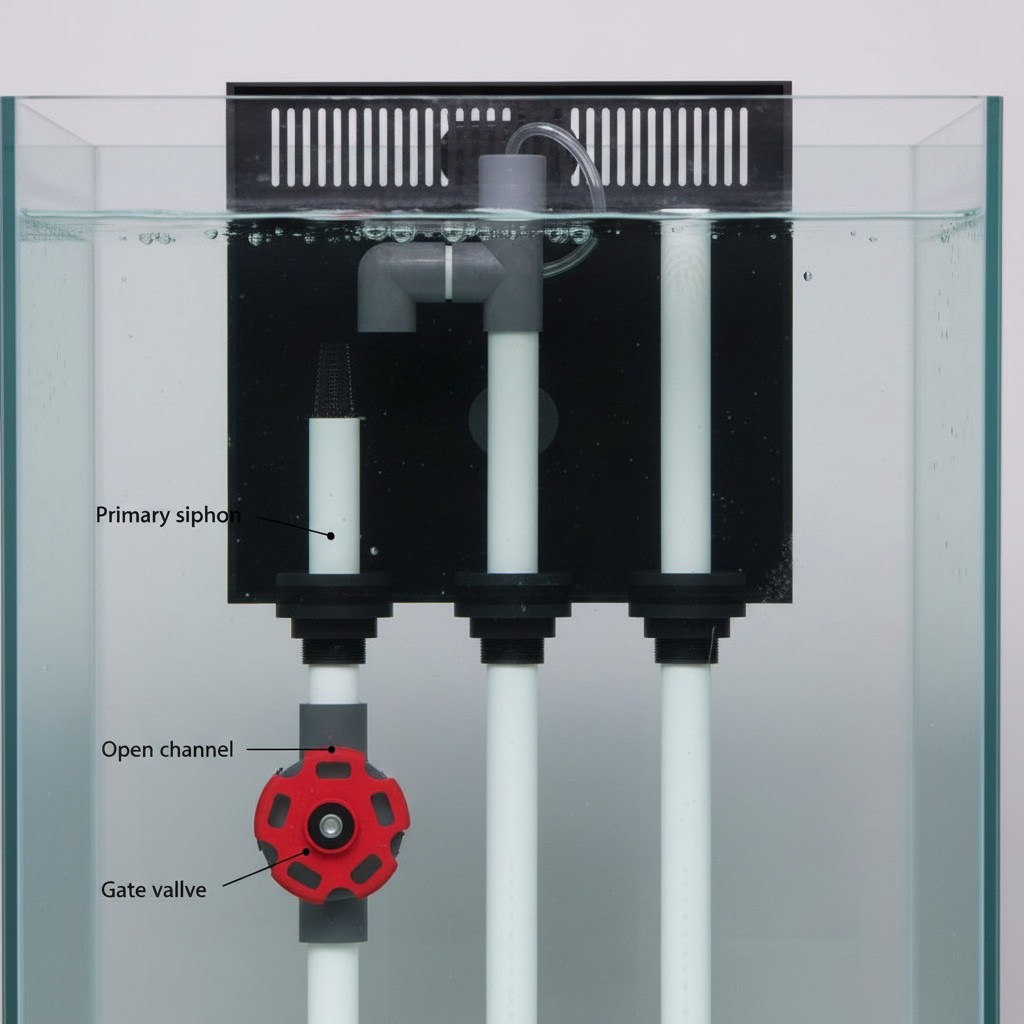
A Beananimal adds redundancy with three pipes. You get a full siphon, an open channel, and a dry emergency. The open channel has a small air vent. It carries a little flow and stabilizes the system. This design resists surging better than a Herbie.
It shines on larger systems and higher flow. Many reefers run 400–800 GPH through the sump on 120–180 gallon tanks. The open channel can catch changes from filter socks clogging. It also helps during feeding mode restarts. The system returns to quiet operation faster.
Tuning is similar but more forgiving. Set the siphon valve so the overflow level sits just above the open channel inlet. The open channel should have a light trickle. The emergency should remain dry. If you hear gurgling, adjust the air vent size. A 1/4-inch airline in the vent often works well.
Space is the main tradeoff. You need three bulkheads and more room in the overflow box. Maintenance is also higher. You must keep the vent clear of salt creep. For planning, review overflow box sizing basics and sump flow rate guidelines.
- Clean the open-channel vent monthly to prevent salt blockage.
- Use unions on all three drains for easy removal.
- Match pipe size to bulkheads and avoid reducers near the box.
Which one should you choose?
Choose Herbie when you want simplicity and have limited overflow space. It is great for 40–120 gallon reefs with moderate sump flow. It is also ideal for retrofits with only two holes. Just commit to careful tuning and regular snail checks.
Choose Beananimal when you want the safest, most stable drain. It is a strong pick for high-bioload tanks and heavy filtration. It also helps if your return pump output changes. The open channel buffers those swings. This reduces flood risk and noise.
Do a real safety test before trusting either design. Turn off the return pump. Let the sump rise and settle. Restart the pump and listen for slurping. Then simulate a clog by covering the siphon strainer. The emergency must handle 100% flow without overflow.
- Target 3–5x display volume per hour through the sump.
- Use a gate valve on the siphon, never on the emergency.
- Keep return outlets near the surface to limit back-siphon.
Herbie and Beananimal can both be silent and reliable. The best choice depends on space, flow goals, and risk tolerance. Build with unions, test failure modes, and keep intakes clear. Your reef will run calmer, and your floors will stay dry.
Sources: Beananimal Silent and Fail-Safe Overflow (original design notes); ReefCentral plumbing threads on Herbie overflows; Manufacturer bulkhead and PVC sizing charts (schedule 40).

 By
By