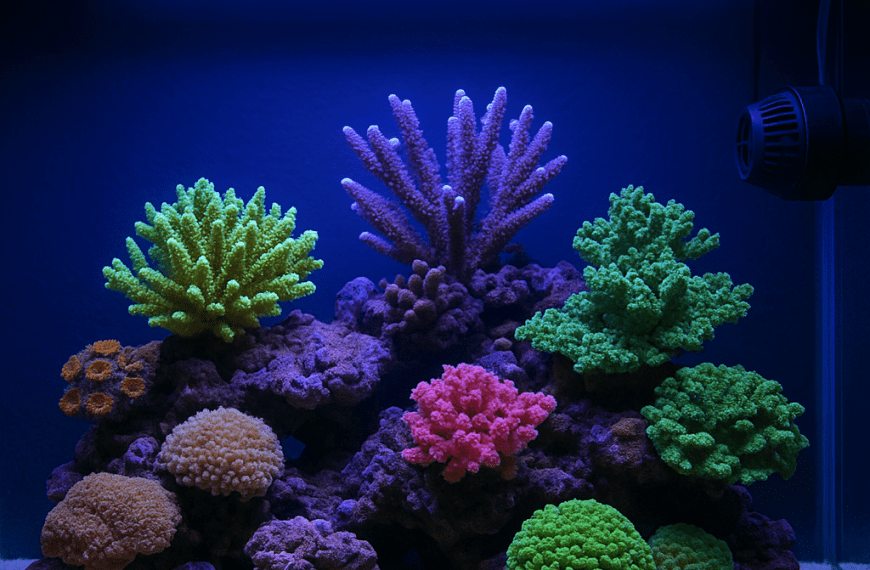
Nano reefs look simple. They are not forgiving. Small water volume makes every mistake show fast.
Build stability with smart equipment and layout
Start with the right tank size. Ten gallons can work, but twenty gallons is easier. More water slows swings in salinity and temperature.
Use an ATO from day one. Evaporation can raise salinity by 0.002 in a day. Keep salinity at 1.025 to 1.026 specific gravity.
Control heat with a reliable heater and a small fan. Aim for 77 to 79°F. Avoid daily swings over 1°F.
Keep flow strong and random. Target 20 to 40 times tank volume per hour. Place pumps to eliminate dead spots behind rock.
- Use a lid or mesh top to cut evaporation and jumps.
- Calibrate your refractometer with 35 ppt fluid monthly.
- Run a small bag of carbon and change it every 2 to 4 weeks.
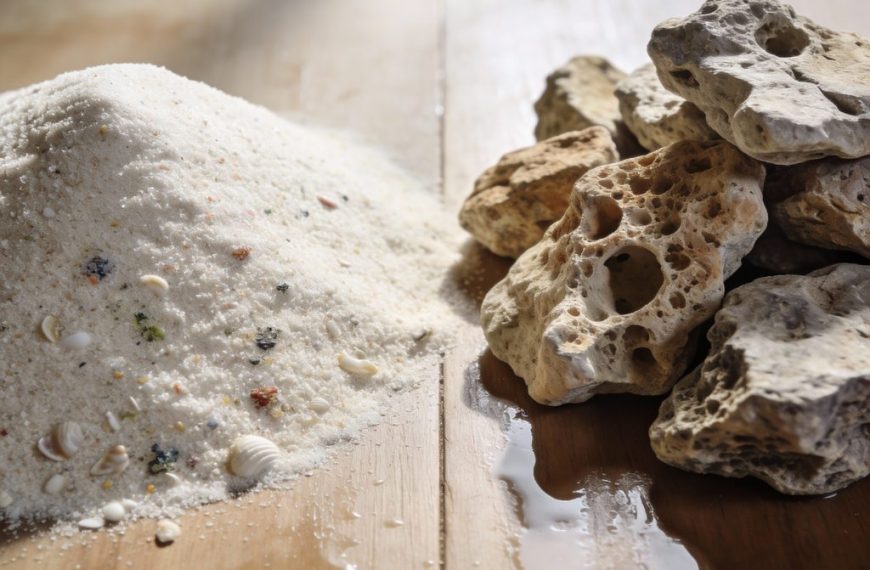
Choose rock and sand for function, not looks. Leave space around the rock for flow. Keep sand under 1 inch if you struggle with detritus.
If you run a skimmer, tune it for consistent skimmate. In many nanos, a skimmer is optional. Good water changes can replace it.
For deeper setup guidance, review nano reef equipment checklist. For flow ideas, see reef tank flow patterns.
Lock in water parameters with a simple routine
Stability comes from repeatable habits. Mix saltwater to 35 ppt and match temperature. This prevents stress during water changes.
Do small, frequent water changes. Change 10% weekly for a lightly stocked nano. For heavier stocking, do 15% weekly or 5% twice weekly.
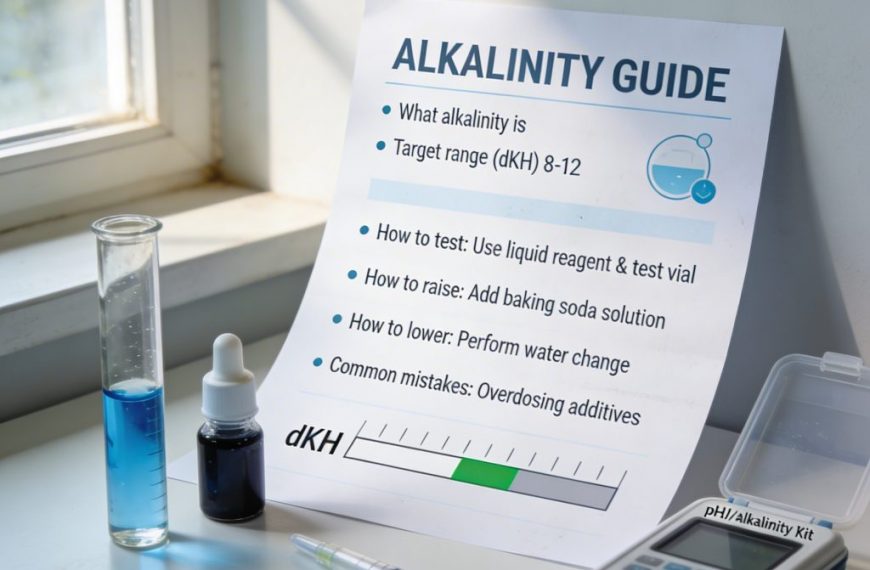
Test the basics on a schedule. Check alkalinity two times per week at first. Keep alkalinity at 7.5 to 9.0 dKH for most mixed reefs.
Track nutrients, but avoid chasing zeros. Keep nitrate at 5 to 15 ppm. Keep phosphate at 0.03 to 0.10 ppm for steady coral color.
- Log salinity, temperature, alkalinity, nitrate, and phosphate every week.
- Rinse frozen foods in a mesh net to reduce phosphate spikes.
- Feed small portions twice daily instead of one large dump.
When corals grow, demand rises fast. Start dosing only after you see a trend. If alkalinity drops 0.3 dKH per day, begin a two-part plan.
Keep dosing slow and consistent. Split daily dose into two or more additions. Dose alkalinity in high flow, away from coral tissue.
If you need a baseline, read reef water parameters guide. It helps you set realistic targets.
Troubleshoot common nano swings before they crash the tank
Algae blooms often follow overfeeding and weak export. In a nano, one extra cube can matter. Reduce feeding for seven days and increase water changes.
If you see dinos, do not panic dose. Confirm with a microscope if possible. Many cases are actually cyano or diatoms.
For suspected dinos, raise nutrients slowly. Bring nitrate to 10 ppm and phosphate to 0.08 ppm. Increase biodiversity with live pods and live rock rubble.
Watch for alkalinity spikes after big water changes. Some salts mix at 10 to 12 dKH. Match new water to your tank within 0.5 dKH when possible.
- If fish gasp, check temperature and oxygen first.
- If corals close, check salinity with a second tool.
- If pH is low, increase surface agitation and fresh air.
Quarantine is still worth it in a nano. A single sick fish can crash a small system. Use a 5 to 10 gallon QT with a sponge filter.
Keep hands out of the tank when you can. Lotions and soap residue cause problems. Use dedicated tools and rinse them with RO water.
Sources: Reefkeeping Magazine (water chemistry articles); Randy Holmes-Farley, “Reef Aquarium Water Parameters”; Borneman, “Aquarium Corals”
Nano reefs stay stable when you reduce daily swings. Use an ATO, steady temperature control, and consistent flow. Pair that with small water changes and simple testing.
 By
By