
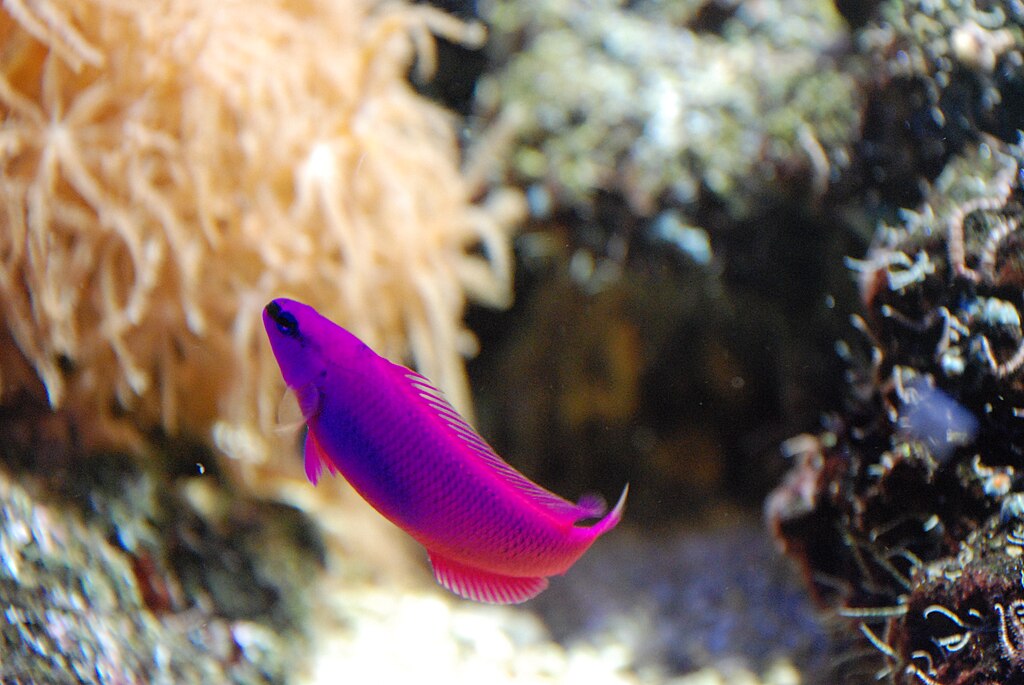
The Orchid Dottyback (Pseudochromis fridmani) is a small reef fish with big personality. It stays compact, shows intense purple color, and adapts well to captive foods. It can also be territorial, so planning matters.
Tank size, aquascape, and ideal water parameters
Plan a minimum of 20 gallons for one Orchid Dottyback. Use 30 gallons or more for a community reef. The extra space reduces chasing and stress. It also gives other fish escape routes.
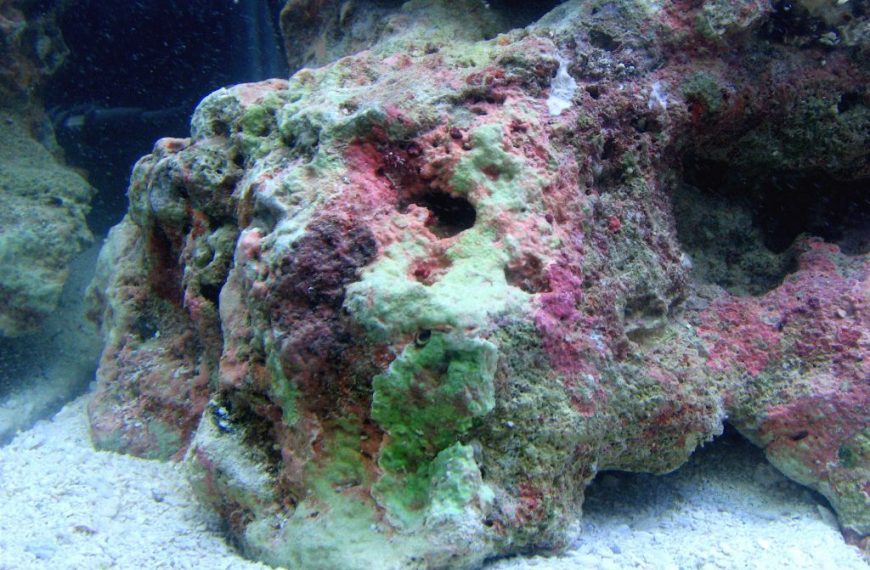
Build a rockscape with caves and tight crevices. Aim for two to three distinct hide zones. Place one cave low and one mid-level. This helps the fish claim a spot without owning the whole tank.
Keep reef-stable parameters with small daily swings. Target 24–26°C (75–79°F) and salinity 1.025–1.026. Keep pH 8.1–8.4 and alkalinity 8–9 dKH. Maintain nitrate 2–15 ppm and phosphate 0.03–0.10 ppm.
Use a lid or mesh top. Dottybacks can jump when startled. Provide moderate flow and strong oxygenation. Review your system basics in saltwater aquarium water parameters.
- Give at least 1–1.5 pounds of rock per gallon for shelter.
- Run a skimmer or strong surface agitation for gas exchange.
- Do 10% weekly water changes to keep nutrients steady.
Feeding, quarantine, and day-to-day care
Feed twice daily for best color and body condition. Offer frozen mysis or brine in the morning. Offer a small pellet or chopped seafood at night. Keep portions small and finish within 60 seconds.
Orchid Dottybacks usually accept prepared foods fast. Still, variety prevents gaps in nutrition. Rotate mysis, copepod blends, and quality marine pellets. Add vitamins once or twice weekly for insurance.
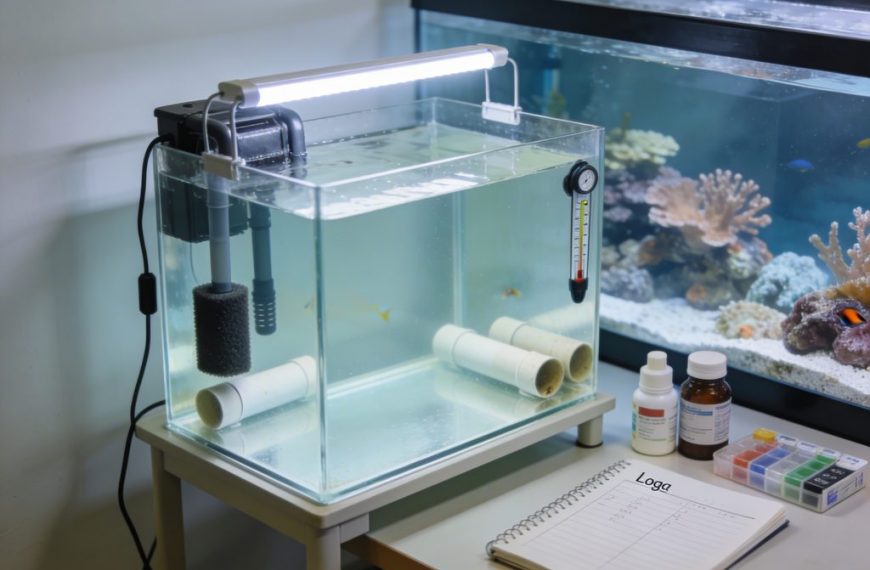
Quarantine for 2–4 weeks when possible. Watch for white spots, flashing, and frayed fins. Keep QT salinity at 1.025 and temperature at 25°C (77°F). Use PVC elbows for shelter and reduce stress.
Common mistakes are overfeeding and under-hiding. Overfeeding spikes nitrate and fuels algae. Too few caves makes the fish patrol the full tank. For a step-by-step setup, see quarantine tank setup for saltwater fish.
- Target 2–3 mm pellets for adults and 1 mm for juveniles.
- Rinse frozen food to reduce phosphate input.
- Skip feeding one day per week if nutrients creep upward.
Compatibility, aggression, and pairing tips
Orchid Dottybacks are semi-aggressive. They often behave well in larger reefs. Problems rise in nano tanks with timid fish. Add them after peaceful species to reduce bullying.
Avoid housing with similar-shaped fish in small systems. This includes other dottybacks and some small basslets. Use caution with tiny gobies and new shrimp. Many keepers report good results with larger cleaner shrimp, once established.
Pairing is possible, but it needs planning. Start with two juveniles in a 40-gallon or larger tank. Provide multiple caves and feed heavy at first. If one fish pins the other, separate quickly.
When adding new tankmates, rearrange a few rocks first. This breaks up territories. Dim the lights for several hours after introduction. Use an acclimation box for 24–48 hours if needed. Learn more in reef fish compatibility guide.
- Add the dottyback late in the stocking order.
- Use an acclimation box if chasing lasts over 10 minutes.
- Provide at least two caves per fish in the territory zone.
The Orchid Dottyback rewards good planning with bold color and hardy behavior. Give it stable parameters, frequent small meals, and plenty of rockwork. Manage territory early, and it can thrive in many reef communities.
Sources: Allen, G.R. (1991) Damselfishes of the World; Fenner, R. (2001) The Conscientious Marine Aquarist; Borneman, E.H. (2001) Aquarium Corals.

 By
By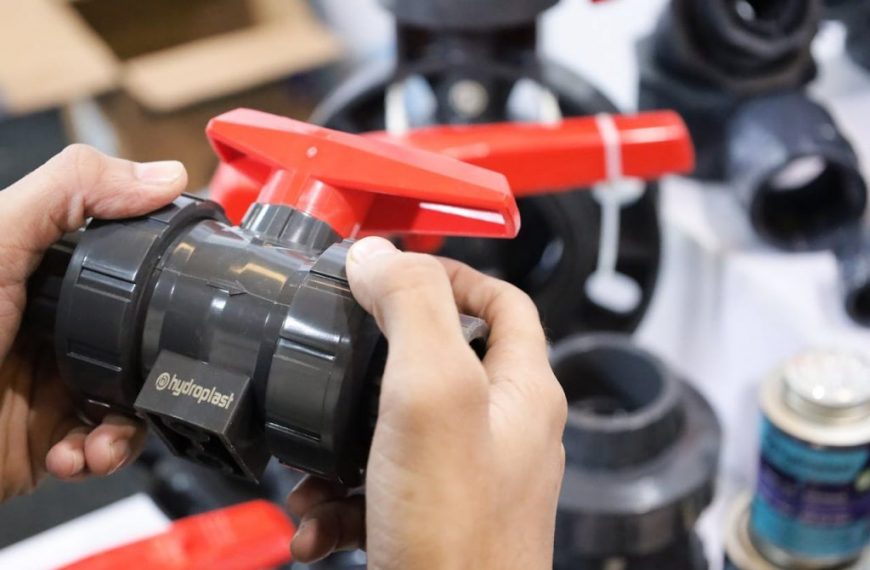
.jpg)