
Percula clownfish are one of the most recognizable and beloved marine fish in the hobby. With their bold orange coloration, crisp white bars, and endearing personalities, they’re often the first saltwater fish new reef keepers dream about. Fortunately, they’re also hardy, relatively peaceful, and well suited to life in a home aquarium when their basic needs are met.
Percula Clownfish Basics: Care, Tank Size & Compatibility
Percula clownfish (Amphiprion percula) stay small, usually around 3 inches, which makes them a great choice for modest-sized reef setups. A single fish or a bonded pair can thrive in a 20–30 gallon aquarium with stable parameters and good filtration.
- Temperature: 76–80°F (24–27°C)
- Salinity: 1.024–1.026 specific gravity
- pH: 8.1–8.4
- Diet: Omnivore – quality marine pellets, frozen mysis, and finely chopped seafood
Perculas are generally peaceful but may defend a territory once they pair up. They mix well with small reef-safe fish like gobies, blennies, and firefish. Avoid aggressive tankmates that may bully them, especially in smaller systems. If you’re planning a community reef, also read our guide to reef-safe fish selection to build a compatible stocking list.
Tip: Start with a small group of juvenile Perculas and allow a pair to form naturally. Once a pair bonds, rehome any extras to prevent long-term aggression.
Tank Setup, Anemones & Natural Behavior
In the wild, Percula clownfish live among the tentacles of host anemones, gaining protection while offering cleaning and nutrients in return. In captivity, an anemone is optional. Many Perculas will happily host in soft corals, LPS corals, or even powerheads if no anemone is available.
If you do choose to keep an anemone, ensure your tank is mature (6+ months) and stable. Strong lighting and steady water quality are essential. For more on preparing your system, see our detailed article on setting up a reef tank before adding sensitive invertebrates.
Creating a Comfortable Environment
- Provide plenty of rockwork with caves and overhangs for security.
- Use moderate, varied flow so there are calm zones where the clowns can hover.
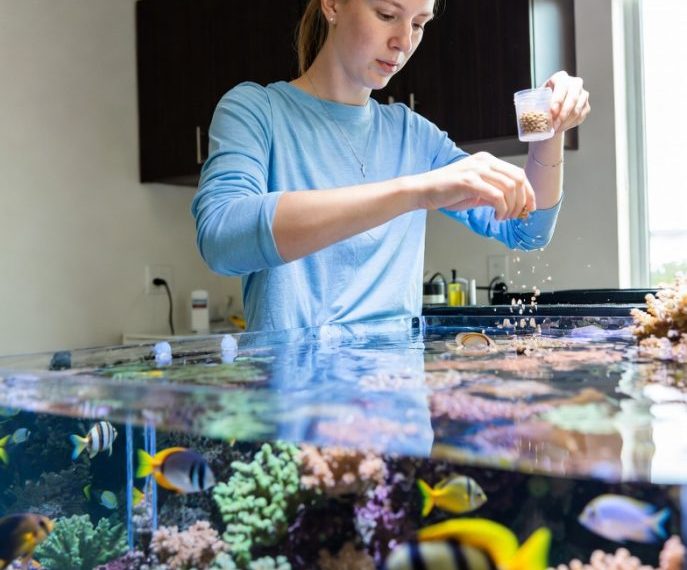
- Feed small portions 1–2 times per day to keep them active and well conditioned.
- Keep nitrate and phosphate in a reasonable range to support both fish and corals.
Perculas are curious and interactive. They often recognize their keeper and quickly learn feeding routines. Their behavior is a good early warning system; a suddenly shy or gasping clownfish can be the first sign that something is off with your water quality.
Percula vs. Ocellaris & Choosing Healthy Specimens
Percula clownfish are often confused with Ocellaris clownfish. They look similar, but Perculas typically have thicker black edging around their white bars and a slightly deeper orange tone. Either species is an excellent choice for reef aquariums, and both are widely available as captive-bred fish.
Whenever possible, choose captive-bred Perculas. They adapt better to aquarium life, usually accept prepared foods immediately, and reduce pressure on wild populations. At the store, look for fish that:
- Swim actively and hold their fins open
- Show no frayed fins, cloudy eyes, or white spots
- Readily eat when food is offered
Acclimate new clownfish slowly, and quarantine them in a separate tank when possible. This simple step helps protect your display and corals; our saltwater fish quarantine guide walks through an easy setup.
With a stable reef tank, thoughtful tankmates, and regular feeding, Percula clownfish will reward you with years of color and personality. They’re a perfect centerpiece for new and experienced reef keepers alike, bringing movement and charm to almost any marine aquarium.
Sources
- Wilkerson, J. (2003). Clownfishes. Microcosm Ltd.
- Michael, S. W. (2001). Marine Fishes. Microcosm Ltd.
- FishBase: Amphiprion percula species summary
 By
By