Introduction to Setting Up A Reef Tank
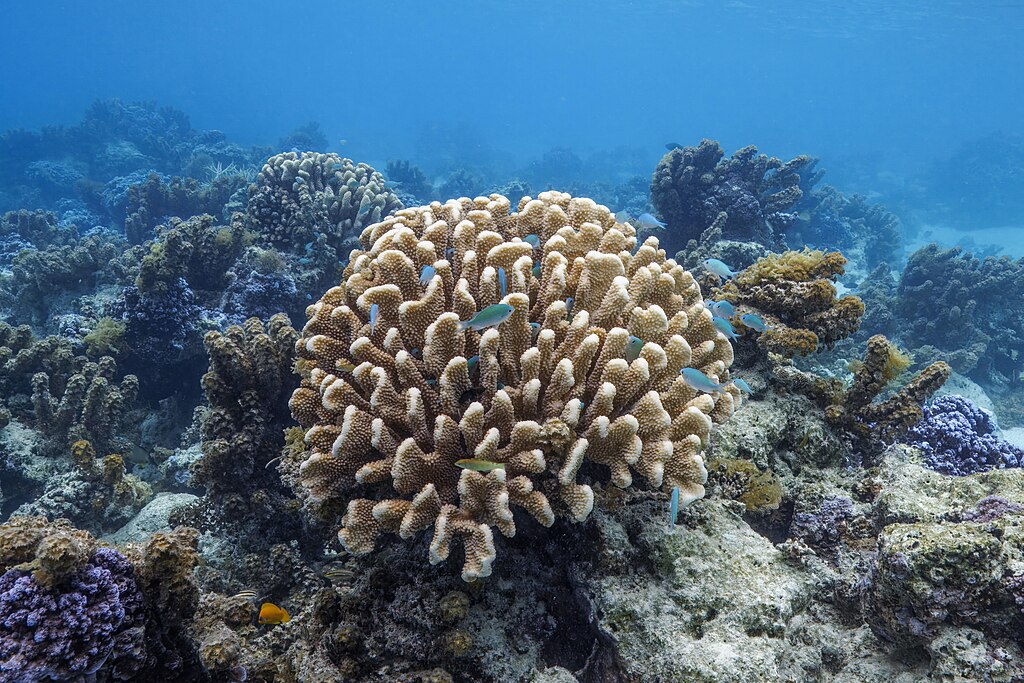
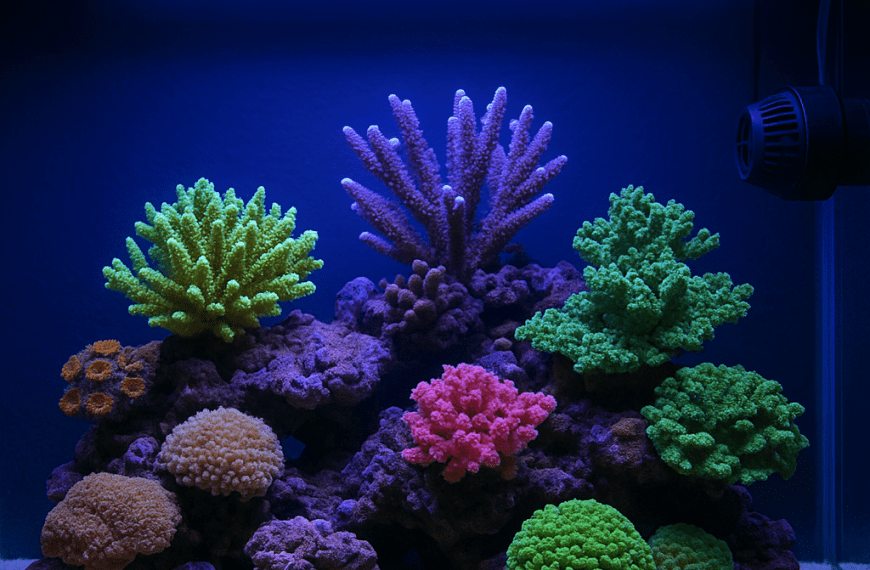
If you’re an aquarium enthusiast looking to create a vibrant underwater ecosystem, setting up a reef tank is an exciting venture. Reef tanks offer a unique opportunity to house colorful corals and a variety of marine life, but they also require careful planning and maintenance. In this guide, we’ll walk you through the essential steps for successfully setting up your own reef tank.
Choosing the Right Equipment
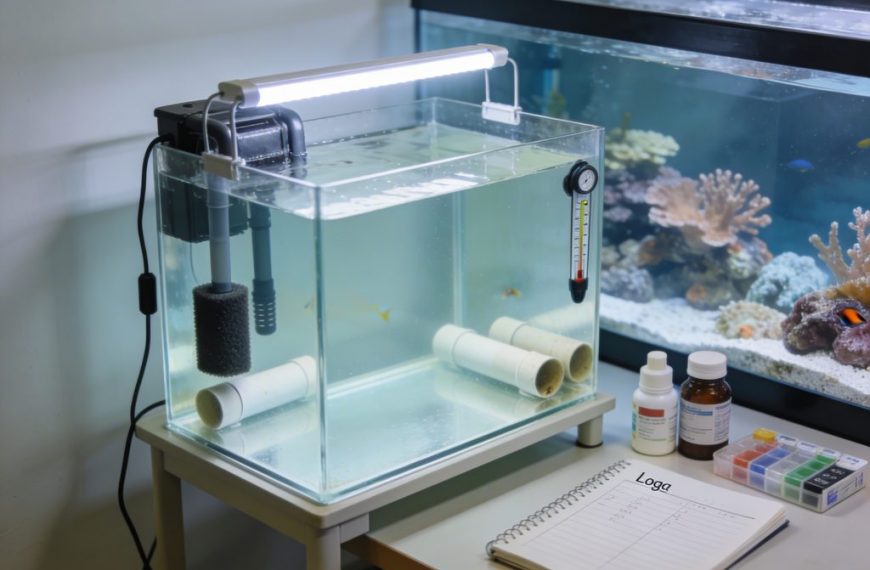
The foundation of a successful reef tank lies in selecting the right equipment. Here are some key components you’ll need:
- Aquarium: A glass or acrylic tank, typically ranging from 20 to 150 gallons.
- Lighting: LED lights or metal halides to provide the necessary light spectrum for photosynthesis.
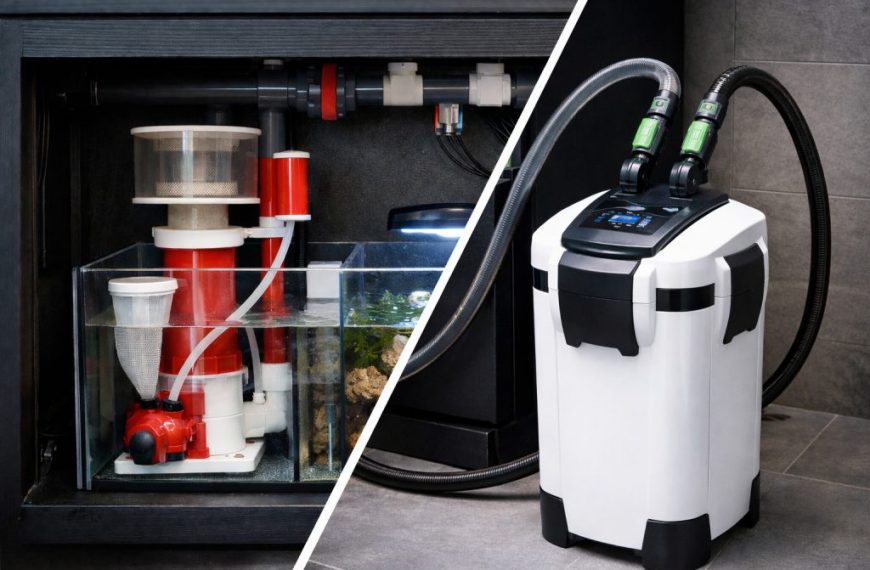
- Filtration System: A high-quality protein skimmer to remove organic waste.
- Heater: To maintain a stable temperature between 75-80°F (24-27°C).
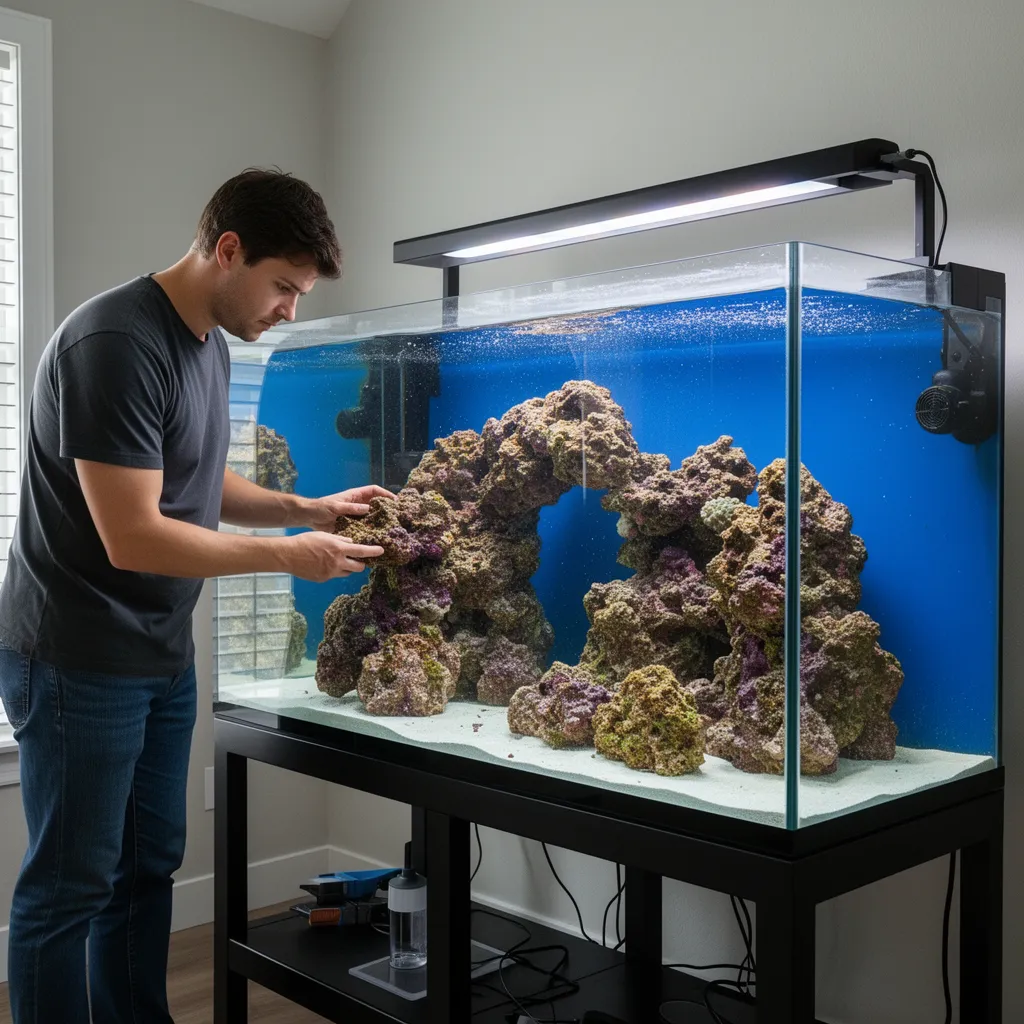
- Live Rock: For biological filtration and as a habitat for marine life.
- Salt Mix: Specially formulated salt for marine tanks.
Each piece of equipment plays a crucial role in maintaining the health of your reef tank. For more detailed information on aquarium filtration systems, check out our post on Aquarium Filtration Basics.
Setting Up Your Reef Tank
Once you have your equipment, follow these steps to set up your reef tank:
- Wash the Tank: Rinse the aquarium with fresh water to remove any dust or contaminants.
- Install Substrate: Add a layer of sand or crushed coral to the bottom of the tank.
- Add Live Rock: Place your live rock strategically to create hiding spots and structures.
- Fill With Saltwater: Mix your salt with water to prepare your tank. Aim for a specific gravity of 1.024-1.026.
- Set Up Equipment: Position your filtration system, heater, and lights according to the manufacturer’s instructions.
- Cycle the Tank: Allow the tank to cycle for 4-6 weeks to establish beneficial bacteria.
During the cycling period, monitor ammonia, nitrite, and nitrate levels to ensure a stable environment for your future inhabitants. For a deeper understanding of tank cycling, refer to our article on Cycling Your Aquarium.
Maintaining Your Reef Tank
After your tank is set up and cycled, regular maintenance is key to keeping your reef thriving. Here are some tips:
- Perform regular water changes (10-15% weekly) to maintain water quality.
- Test water parameters weekly: salinity, pH, calcium, and alkalinity.
- Keep an eye on algae growth and perform clean-ups as needed.
- Feed your corals and fish appropriately, avoiding overfeeding.
By following these practices, you’ll create a healthy environment for your marine life. Remember, patience is essential in the aquarium hobby. Enjoy the process!
Conclusion
Setting up a reef tank can be a rewarding experience, providing a glimpse into the beauty of marine ecosystems. With careful planning, the right equipment, and consistent maintenance, your reef tank will flourish. Whether you’re new to the hobby or an experienced aquarist, there’s always something new to learn and explore. Happy fishkeeping!
Sources
- Marine Aquarist Handbook by John Doe
- Ultimate Guide to Coral Care by Jane Smith
- Aquarium Maintenance for Beginners by Joe Bloggs
 By
By