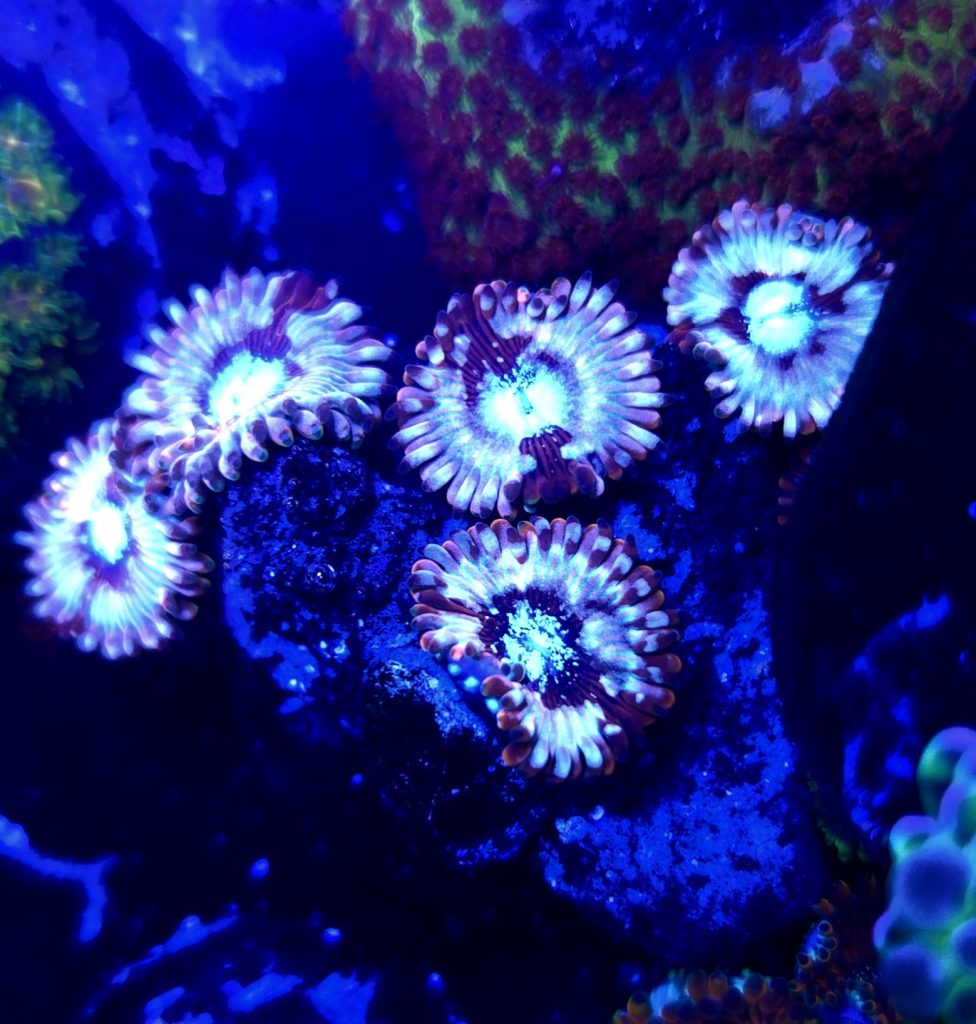
Good flow keeps a reef tank healthy. It moves oxygen, carries food, and lifts waste. Powerhead sizing is about the right turnover and the right pattern.
Start with turnover, then match it to your livestock
Turnover means total flow per hour versus tank volume. Many mixed reefs do well at 20–40x per hour. SPS reefs often need 40–70x per hour. Soft coral tanks often prefer 15–30x per hour.
Use display volume, not the tank label. Rock and sand reduce water volume by 10–25%. A “75 gallon” reef may hold 55–65 gallons of water. Your sump return adds some flow, but it is usually low in the display.
Convert targets into a pump number. A 60 gallon mixed reef at 30x needs about 1,800 GPH in the display. If your return contributes 300 GPH after head loss, you still need about 1,500 GPH from powerheads.
Plan for real output, not the box rating. Guards, algae, and placement can cut flow by 10–20%. Aim slightly high, then use a controller to dial it back. This avoids buying twice.
- Quick targets: Softies 15–30x, LPS 20–40x, SPS 40–70x.
- Account for displacement: subtract 15–20% for rock-heavy reefs.
- Leave control headroom: size 10–20% higher, then tune down.
Choose placement and flow modes to avoid dead spots
Two smaller powerheads usually beat one large unit. You get better coverage and fewer dead zones. You also get redundancy if one fails. Aim them to intersect and create random turbulence.
For a 4-foot tank, start with one pump on each side panel. Place them 3–5 inches below the surface. Angle slightly upward for surface agitation. This improves gas exchange and pH stability.
Use varied modes instead of constant blast. Pulse, random, and reef crest modes prevent corals from “leaning.” They also keep detritus suspended for the overflow. If sand blows, lower intensity or raise the pump.
Watch coral behavior for feedback. LPS should sway, not whip. SPS polyps should extend without tissue recession. If you see bare spots on sand, redirect flow across the glass instead.
- Surface ripple: aim for steady shimmer, not splashing.
- Detritus test: baste rocks and see if waste lifts and exits.
- Sand control: raise pumps or reduce pulse length first.
Troubleshooting, maintenance, and common sizing mistakes
Dead spots show up as cyano, diatoms, or mulm piles. Add cross-flow, not just more speed. Try rotating one pump toward the back wall. This often clears behind-rock pockets.
Too much flow can look like retracted polyps and torn LPS tissue. It can also cause constant sandstorms. Reduce peak output by 10% steps each day. Keep alkalinity stable during changes.
Clean powerheads on a schedule. Soak wet parts in 1:1 vinegar and water for 20–30 minutes. Rinse well and reassemble. Do this every 4–6 weeks in most reefs. Heavy coralline may need 3–4 weeks.
Avoid three common mistakes. First, relying on return flow for circulation. Second, aiming pumps straight at corals. Third, ignoring noise and heat. DC pumps often run cooler and quieter.
For deeper dives, see reef tank water flow patterns and reef tank maintenance schedule. If you are still battling waste, review detritus control in reef tanks.
- Cyano in corners: add a back-wall sweep and shorten rock contact points.
- LPS damage: shield with rock and lower peak flow 10–20%.
- Flow drops fast: check guards and impellers for snails and algae.
Powerhead sizing is a mix of math and observation. Start with a turnover target and realistic water volume. Then tune placement and modes until your corals look relaxed and waste stays moving.
Sources: Ecotech Marine VorTech pump manuals; Bulk Reef Supply flow and turnover guidance; Julian Sprung, “The Reef Aquarium” (husbandry and circulation principles).

 By
By