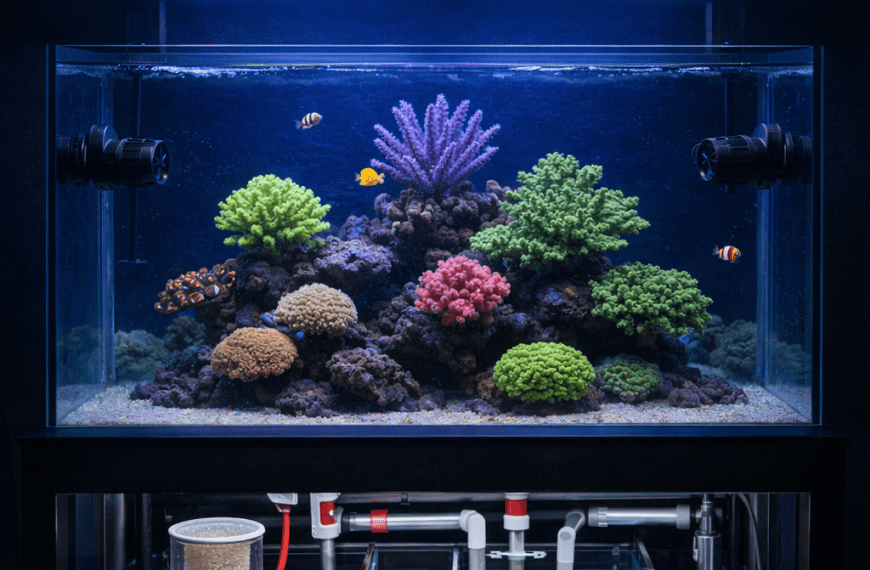
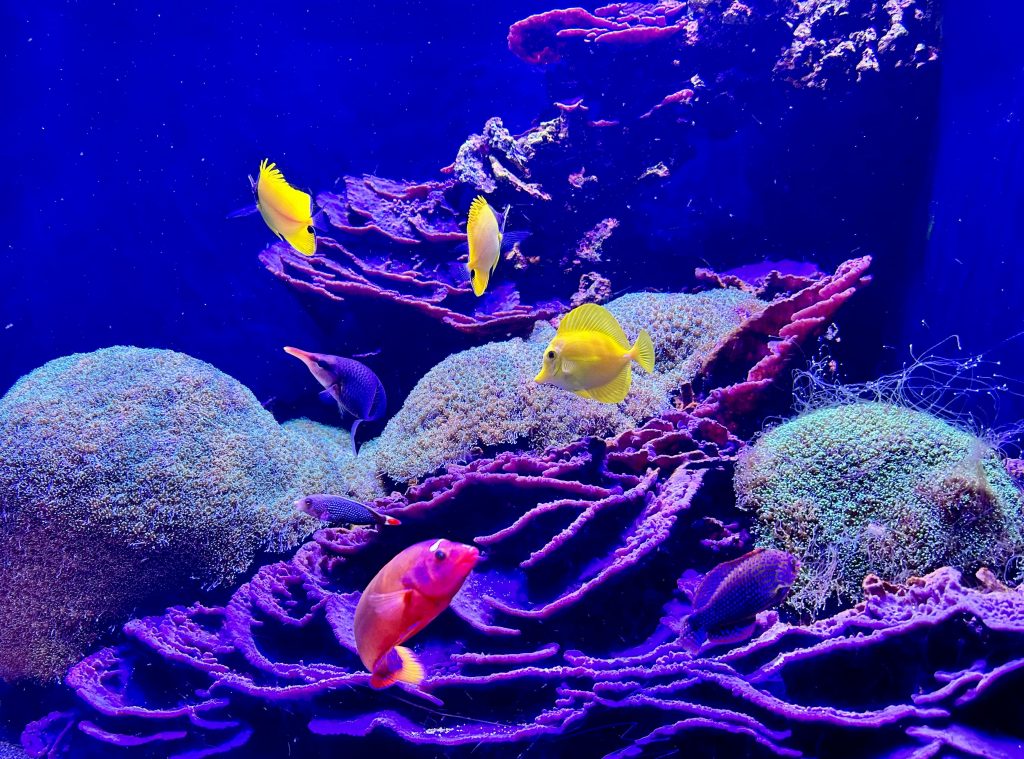
Choosing reef safe fish is one of the most important steps in building a thriving saltwater aquarium. The right stocking plan keeps your corals intact, your inverts safe, and your maintenance routine manageable. This reef safe fish stocking guide walks you through planning, species selection, and practical tips so you can enjoy a peaceful, colorful reef.
Start with a Stocking Plan, Not a Shopping List
Before buying your first fish, take time to plan. A thoughtful stocking order prevents aggression and helps your biological filtration keep up with the bioload.
Key planning steps
- Know your tank size and footprint: A 40-gallon breeder has more swimming room than a tall 40, which matters for active swimmers like wrasses and tangs.
- Define your coral goals: Soft corals, LPS, and SPS each have different sensitivity to nipping and water quality swings.
- Research compatibility: Some fish are only “reef safe with caution” and may nip fleshy LPS or clam mantles.
- Stock from peaceful to bold: Add shy, peaceful species first, then semi-aggressive fish later.
For more help with early planning, check out our post on beginner reef tank setup, which covers tank size, filtration, and cycling in detail.
Reef Safe Fish by Category
Many popular marine fish do well in reef aquariums when stocked thoughtfully. Use the categories below as a starting point, then confirm requirements for each exact species.
Peaceful community fish
- Clownfish (Amphiprion spp.) – Hardy, colorful, and usually coral-safe. Avoid keeping multiple species in smaller tanks to reduce aggression.
- Chromis – Great schooling look, but introduce a small group at once to limit pecking order issues.
- Firefish and dartfish – Peaceful, shy, and perfect for smaller reefs; provide tight-fitting lids to prevent jumping.
Utility and clean-up crew helpers
- Blennies (e.g., tailspot, lawnmower) – Excellent algae grazers; most are coral-safe but may nip at film algae on rock near corals.
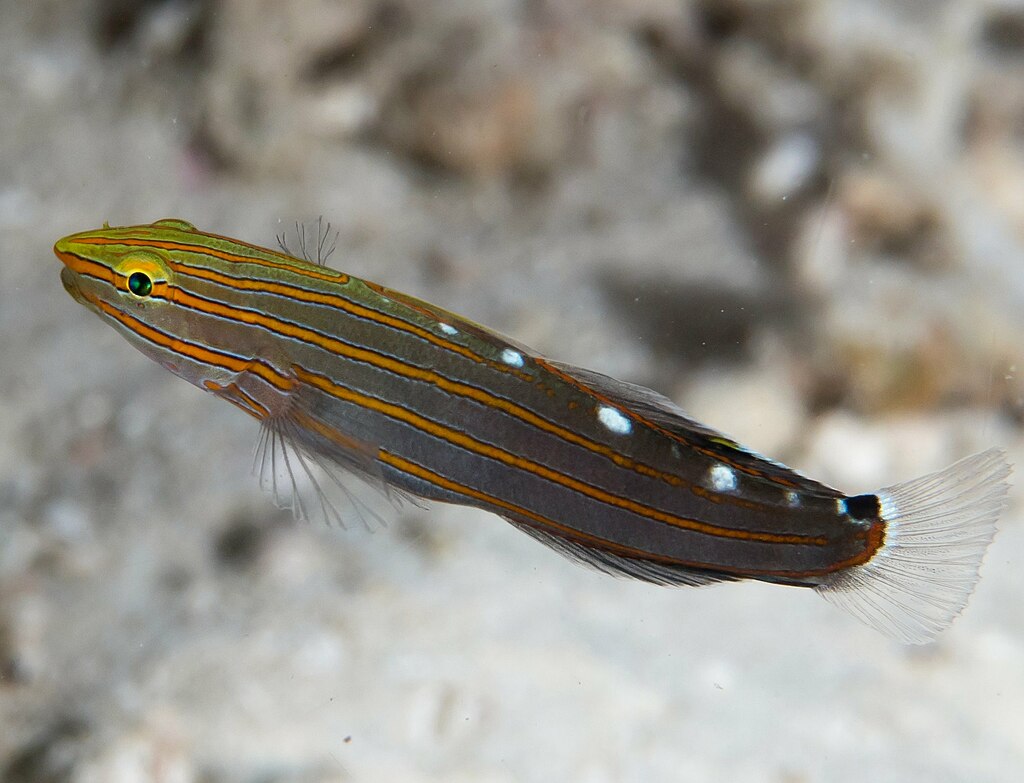
- Gobies (watchman, clown, neon) – Sand sifters and rock perchers that help keep the tank tidy. Many pair well with pistol shrimp.
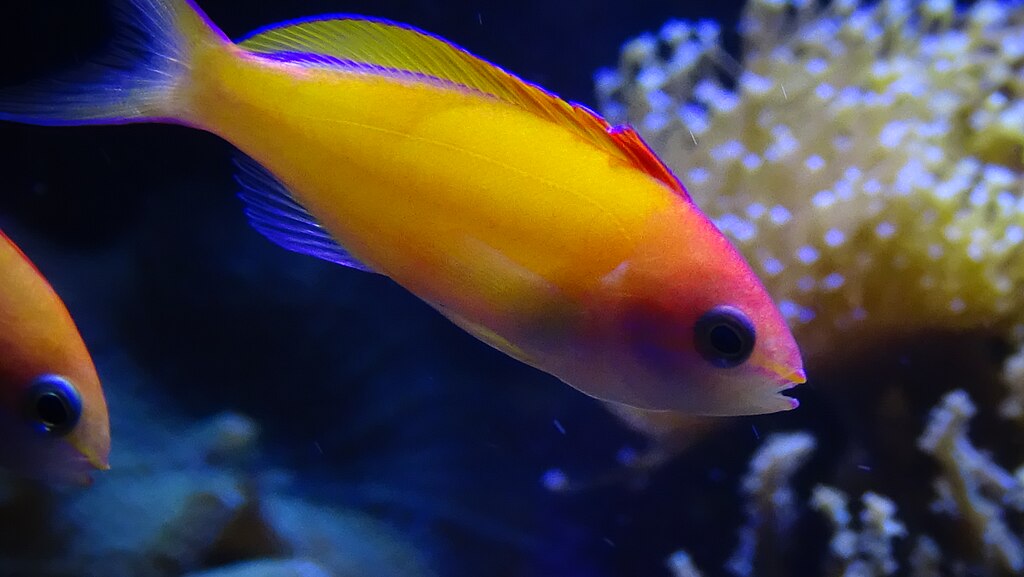
- Wrasses (fairy, flasher) – Active, colorful, and generally reef safe. Avoid some larger or predatory species with shrimp and tiny fish.
Fish to research carefully
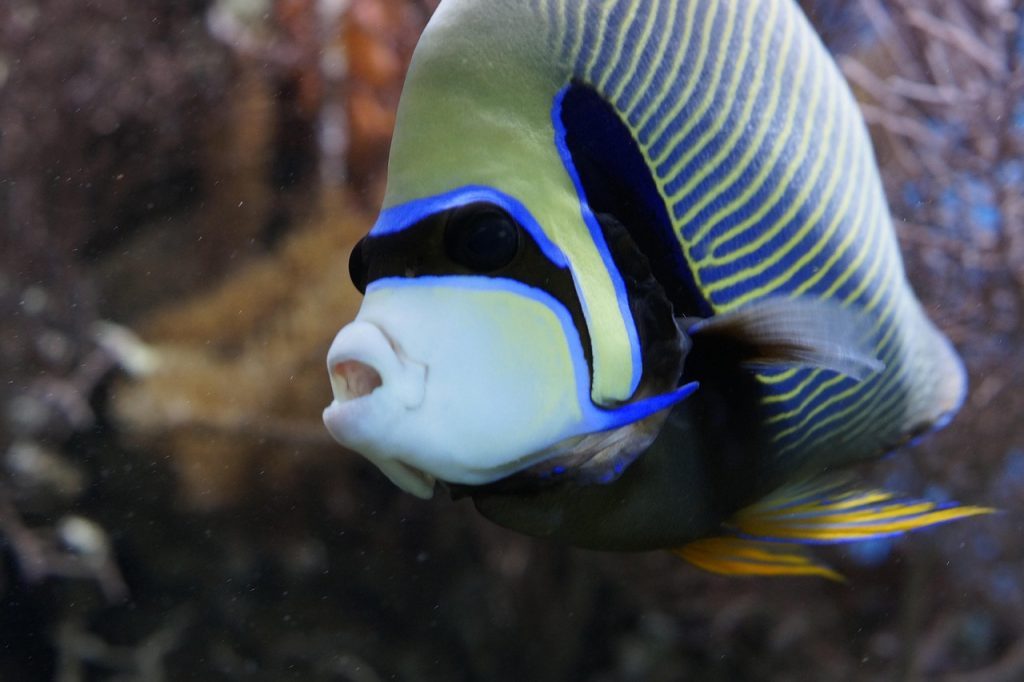
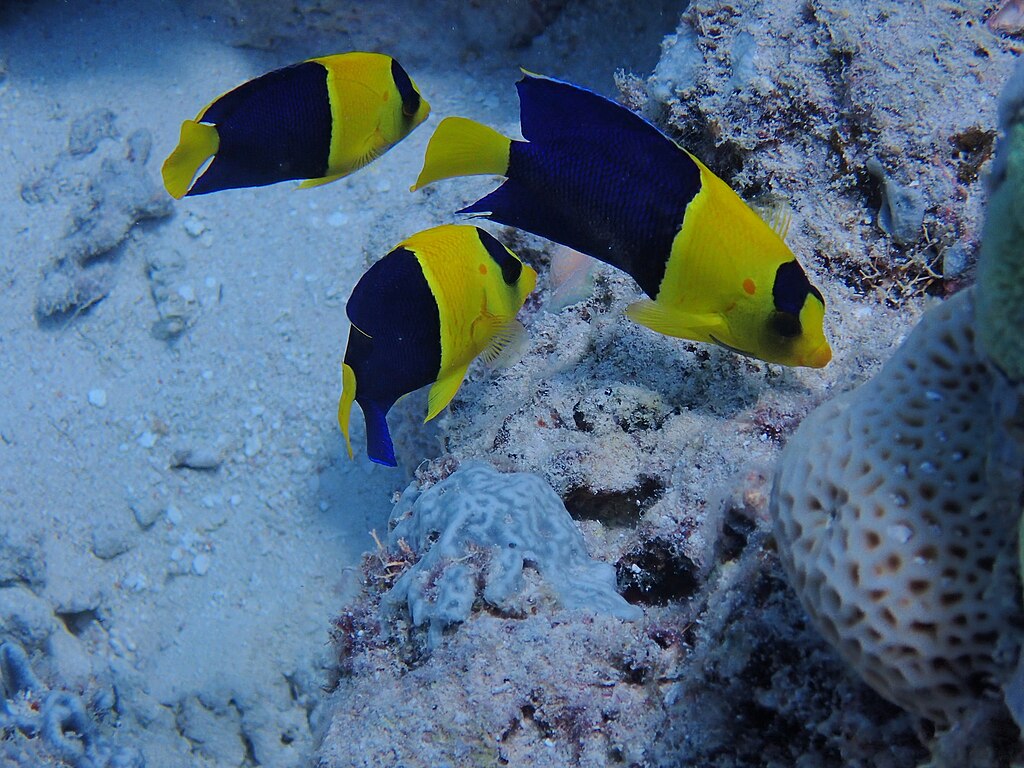
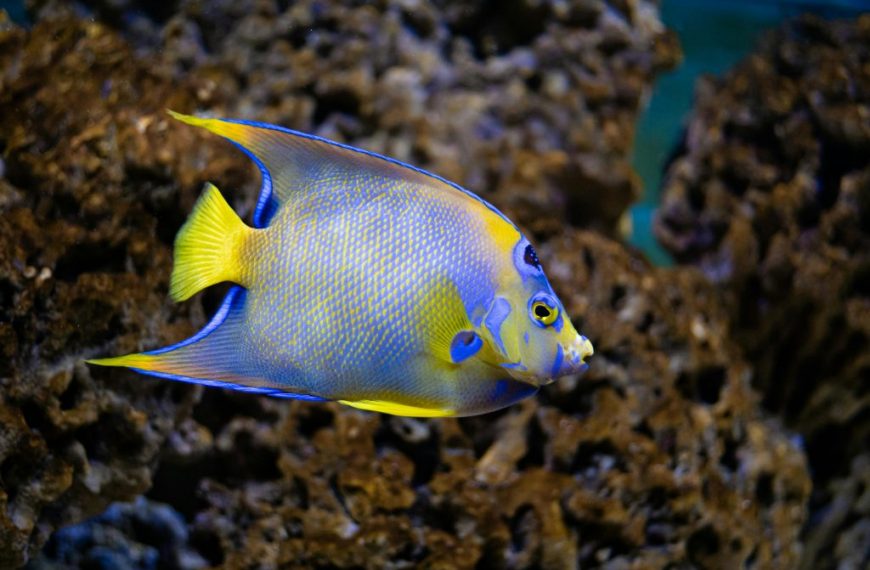
- Dwarf angelfish (coral beauty, flame) – Often fine in mixed reefs but may nip fleshy LPS or clam mantles. Best in larger, mature systems.
- Tangs – Great algae eaters, but need ample swimming room and can be territorial. Research minimum tank sizes for each species.
For a deeper dive into balancing fish and corals, see our guide to soft corals for beginners, which pairs well with peaceful community fish lists.
Practical Stocking Tips for a Peaceful Reef
- Quarantine new fish: A simple QT setup helps prevent ich, velvet, and flukes from entering your display.
- Feed a varied diet: Mix frozen foods, quality pellets, and nori for tangs and blennies to reduce the chance of coral nipping.
- Provide hiding spots: Rockwork with caves and overhangs lowers stress and aggression.
- Add similar species carefully: Only one clown pair, one tang (in small to mid tanks), and one dwarf angel per tank is a safe rule of thumb.
- Observe at feeding time: Watch for bullying, torn fins, or fish hiding constantly—early signs that your stocking mix needs adjustment.
Tip: When introducing a new fish to an established tank, use an acclimation box for a day or two so existing residents can see but not attack the newcomer.
With a solid plan, careful species selection, and patient stocking, you can build a reef tank full of vibrant, reef safe fish that coexist peacefully with your corals and inverts. Take your time, research each addition, and enjoy watching your miniature reef ecosystem mature. When you’re ready for the next step, explore our reef tank maintenance schedule to keep your new community healthy for years.
Sources
- Michael, S. (2010). Marine Fishes: 500+ Essential-To-Know Aquarium Species. Microcosm Ltd.
- Fenner, R. (2001). The Conscientious Marine Aquarist. TFH Publications.
- Sprung, J., & Delbeek, J. C. (1994–2005). The Reef Aquarium Vol. 1–3. Ricordea Publishing.
 By
By