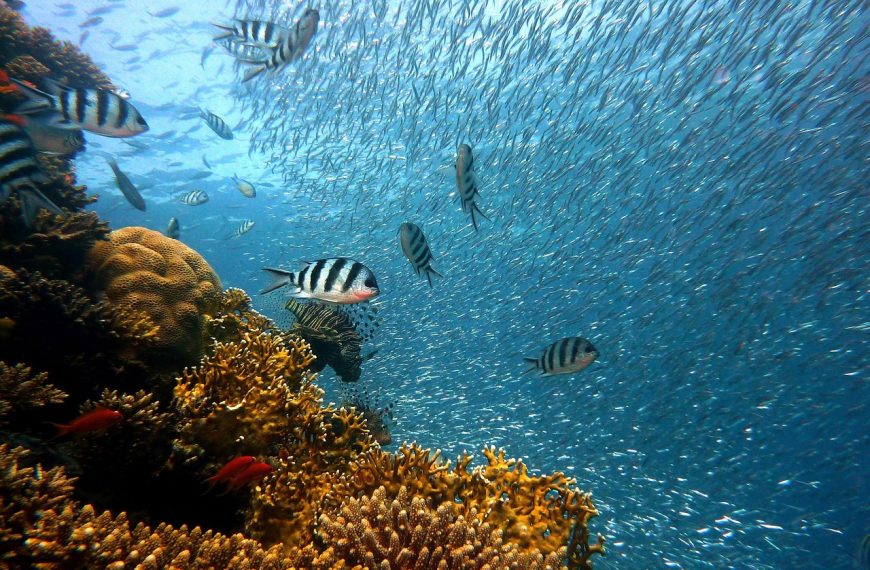
Low oxygen is a silent reef killer. Fish gasp, corals close, and pH swings get worse. The good news is that oxygenation is easy to improve with smart flow and good habits.
Understand oxygen, CO2, and gas exchange
Oxygen enters your tank at the surface. It depends on surface agitation and fresh air. A still surface can trap CO2 and limit oxygen uptake.
Most reef tanks run best at 7–9 mg/L dissolved oxygen. Warm water holds less oxygen. At 80°F, oxygen saturation drops versus 76°F. Heavy stocking lowers oxygen fast at night.
Night is the danger window. Corals, fish, and bacteria consume oxygen in darkness. Algae and refugiums also consume oxygen at night. That is why many tanks show lowest pH before lights on.
Watch for early warning signs. Fish may hover near returns or the surface. Snails may climb the glass line. If you see this, increase agitation at once and check temperature.
- Target range: 7–9 mg/L dissolved oxygen for most reefs.
- Temperature goal: 77–79°F for a balance of oxygen and stability.
- Red flags: surface gulping, closed polyps, low morning pH.
For deeper basics, review our reef tank water parameters guide. It helps you link oxygen to pH and alkalinity trends.
Practical ways to boost oxygenation every day
Start with surface movement. Aim a powerhead so it ripples the surface. You want a broken shimmer, not a flat mirror. This increases gas exchange without blasting sand.
Use your overflow and sump to your advantage. A properly tuned overflow pulls a thin surface layer. Keep the weir teeth clear of algae. In the sump, let water fall into the first chamber for aeration.
A protein skimmer is an oxygen machine. It injects air and strips CO2. Clean the neck weekly for stable foam. If your room air is stale, consider a skimmer air line to fresher indoor air.
Do not forget maintenance. Salt creep can choke air intakes and reduce skimmer draw. Dirty filter socks can drive bacterial oxygen demand. Change socks every 2–3 days in stocked tanks.
- Angle one pump up to create a strong surface ripple.
- Clean overflow teeth and return nozzles once per week.
- Empty skimmer cup and wipe the neck every 5–7 days.
- Keep sump water level stable for consistent skimmer air draw.
If you struggle with flow patterns, see our reef tank flow guide. It explains dead spots and how to fix them.
Troubleshooting low oxygen events and common mistakes
Power outages cause fast oxygen drops. Have a plan before it happens. Keep a battery air pump and spare tubing. For large systems, a UPS can run one circulation pump for hours.
Overfeeding is a top cause of nighttime oxygen crashes. Extra food fuels bacteria. Bacteria consume oxygen while breaking it down. Feed smaller portions and remove uneaten food within five minutes.
Chemical treatments can reduce oxygen too. Some medications and bacterial additives increase oxygen demand. Add extra aeration during dosing. Point a return nozzle at the surface for the full treatment window.
Test smart when you suspect a problem. Measure temperature and pH at lights-on and lights-off. A big overnight pH drop often means excess CO2 and low oxygen. If you can, use a dissolved oxygen meter for confirmation.
- Emergency step: raise surface agitation immediately.
- Backup gear: battery air pump, airstone, and fresh batteries.
- Night strategy: run skimmer 24/7 and avoid heavy late feeding.
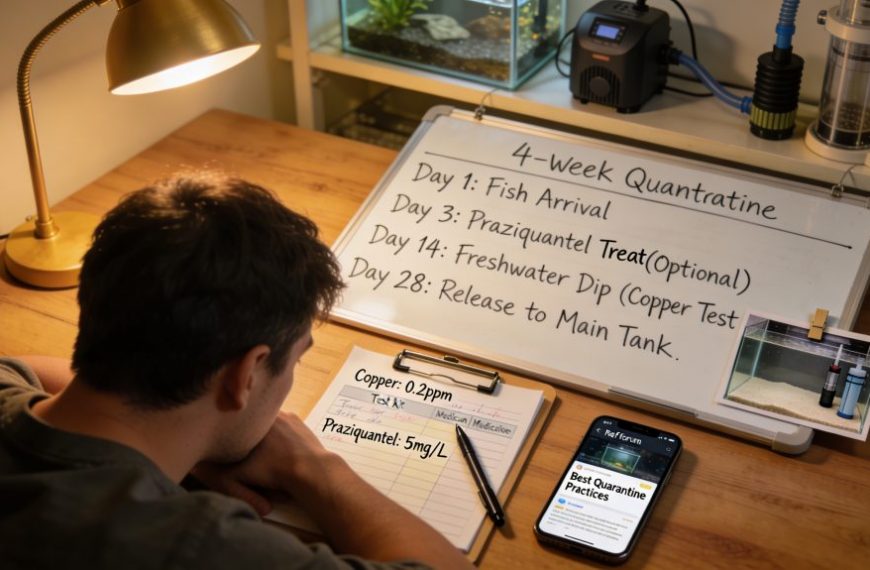
Quarantine also benefits from strong aeration. Small tanks swing faster. Our saltwater fish quarantine setup covers safe airflow and filtration.
Stable oxygen supports stable pH and happier livestock. Focus on surface movement, clean air, and consistent maintenance. Build an outage plan now, not later.
Sources: NOAA Dissolved Oxygen basics; Randy Holmes-Farley, Reefkeeping Magazine articles on pH and CO2; Sprung & Delbeek, The Reef Aquarium (gas exchange and filtration).
 By
By