Reef tanks look calm, but they hide real risks. Saltwater, electricity, and chemicals share the same space. A few safety habits prevent most accidents.
Electrical and water safety around the tank
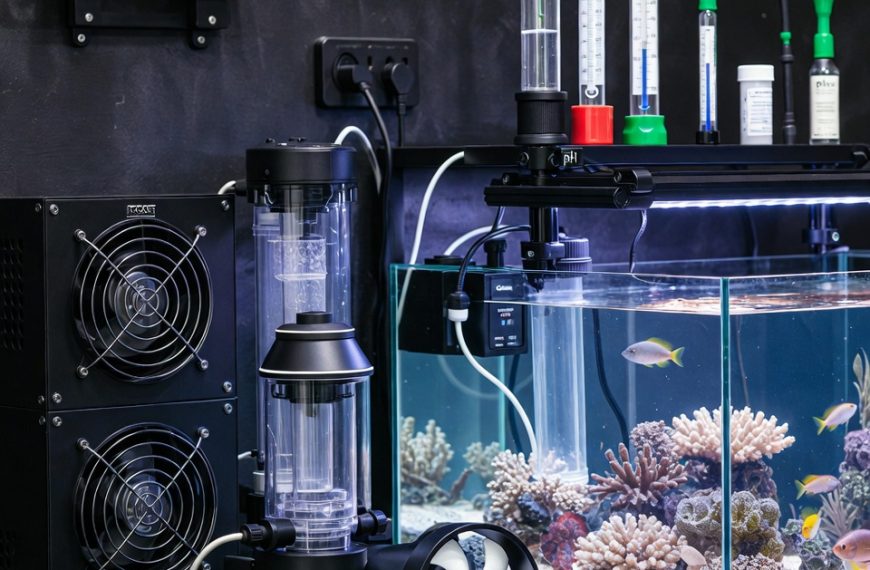
Water and power should never meet. Use a GFCI outlet for every aquarium circuit. Test the GFCI button once per month. Replace any outlet that fails to trip.
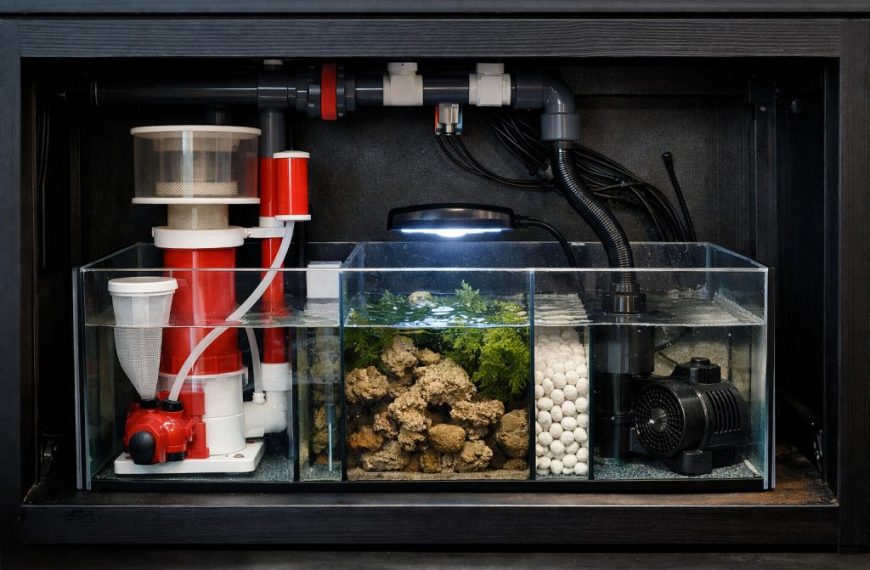
Create drip loops on every cord. Keep power strips mounted high inside the stand. Aim for at least 12 inches above the sump rim. Label each plug for fast shutoff during leaks.
Use a titanium grounding probe only with a working GFCI. It can reduce stray voltage sensations. It will not fix faulty gear. Replace heaters every 12–24 months, or sooner if corroded.
Plan for floods and overheating. Keep a wet/dry shop vac nearby. Add water alarms under the sump and ATO reservoir. Set heaters to 77–79°F and use a controller for redundancy.
- Use GFCI protection and test it monthly.
- Mount power strips high and keep drip loops on cords.
- Install leak alarms and keep towels within reach.
For more setup details, see sump plumbing basics and ATO setup guide.
Chemicals, salt mix, and safe handling habits
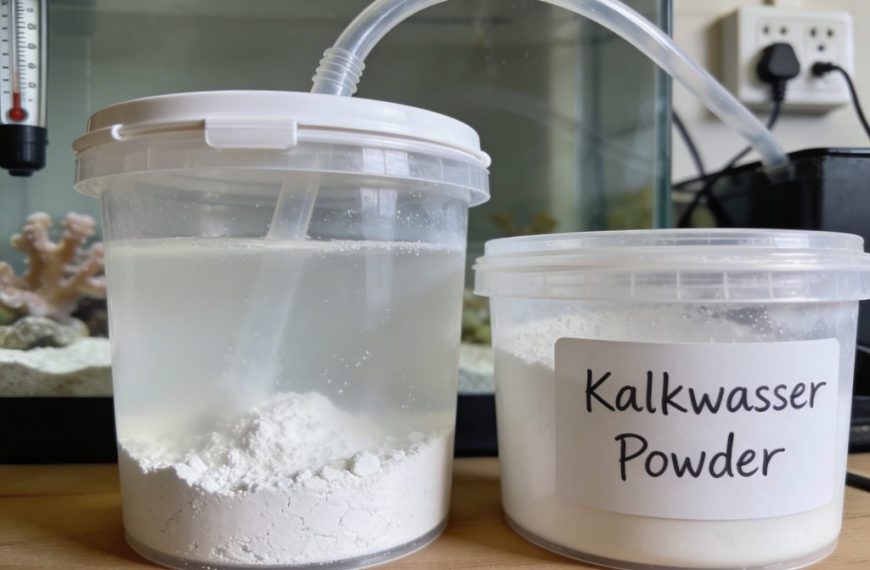
Reef additives are concentrated chemicals. Wear nitrile gloves when dosing acids or alkalinity solutions. Use eye protection when mixing powdered kalkwasser. Keep all bottles capped and upright.
Mix saltwater in a dedicated bin. Use a heater and pump rated for the container. Match salinity to 1.025–1.026 specific gravity at 77°F. Let new saltwater mix for 2–24 hours before use.
Never combine cleaning products near the tank. Vinegar and bleach together can create toxic gas. Rinse hands well after using lotions or sunscreen. Many reef losses start with simple contamination.
Store chemicals away from kids and pets. Use secondary containment tubs for liquids. Keep test reagents in a cool, dark drawer. Replace expired kits, since bad readings cause bad decisions.
- Measure twice, then dose once using a syringe or pipette.
- Mix saltwater to 35 ppt and match temperature before changes.
- Keep additives in labeled bottles with childproof caps.
If you want a safer dosing routine, read alkalinity, calcium, and magnesium basics.
Livestock risks, quarantine, and emergency planning
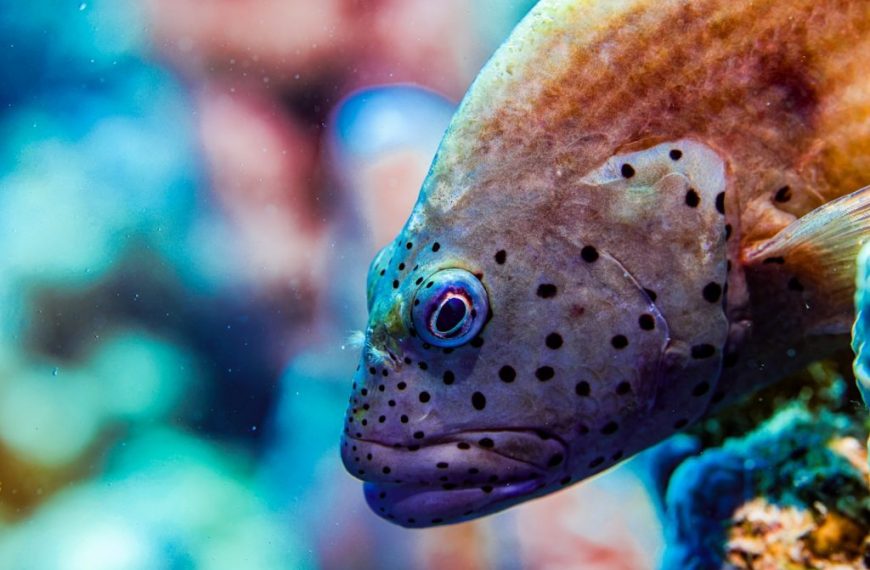
Some reef animals can sting, cut, or poison. Wear gloves when moving rock or corals. Use tongs for unknown hitchhikers. Treat every bristle worm and urchin spine with respect.
Quarantine protects your display and your wallet. Use a 10–20 gallon bare tank for most fish. Keep salinity at 1.024–1.026 and temperature at 78°F. Observe for 14–30 days before transfer.
Plan for common emergencies. Keep mixed saltwater ready for 10–20% changes. Store extra heater, air pump, and airline tubing. For outages, run an air stone and reduce feeding for 48 hours.
Troubleshoot with calm steps. If fish gasp, increase surface agitation first. If corals close, check alkalinity and temperature next. Avoid rapid swings greater than 1 dKH per day.
- Keep a first-aid kit and tweezers near the tank.
- Quarantine new fish for at least 14 days.
- Maintain backup aeration for power failures.
Reef safety is mostly routine and planning. Build layers of protection for power, water, and chemicals. Your tank will run smoother, and you will worry less.
Sources: Borneman, E. (2001) Aquarium Corals; Delbeek, J.C. & Sprung, J. (1994–2005) The Reef Aquarium series; Fenner, R. (2001) The Conscientious Marine Aquarist.
 By
By