
Saltwater invertebrates add color, movement, and utility to reef tanks. Compatibility matters because many inverts have stings, claws, or strict feeding needs. Plan your mix before you buy, and you will avoid most losses.
Start with tank goals and “risk zones”
First, decide what the tank should do. Some tanks focus on corals and calm cleaners. Others feature predators like triggers or hawkfish. Your fish list sets the main limits for inverts. Many fish view shrimp and crabs as food.
Group inverts by risk. “Peaceful cleaners” include snails, small hermits, and peppermint shrimp. “Semi-aggressive pickers” include large hermits and some crabs. “Predatory or stinging” includes coral banded shrimp, some anemones, and large brittle stars. Mixing across groups can work, but it needs space and feeding.
Use size and mouth shape as quick clues. A 2-inch shrimp is a snack for a 5-inch wrasse. A pistol shrimp may bully tiny gobies in small tanks. A large emerald crab can grab sleeping fish. Match animals by adult size, not store size.
Also, check habitat overlap. Sand sifters compete in the same zone. Rock grazers fight over the same ledges. Spread niches with rock caves, rubble piles, and open sand. Aim for at least 1 pound of rock per gallon in mixed reefs.
- Write a “must keep” list before shopping.
- Assume any crab may become opportunistic at night.
- Plan at least two hiding spots per shrimp or crab.
For a deeper cleanup plan, see our cleanup crew guide. If you keep predators, review reef safe fish myths first.
Parameter stability and feeding prevent most conflicts
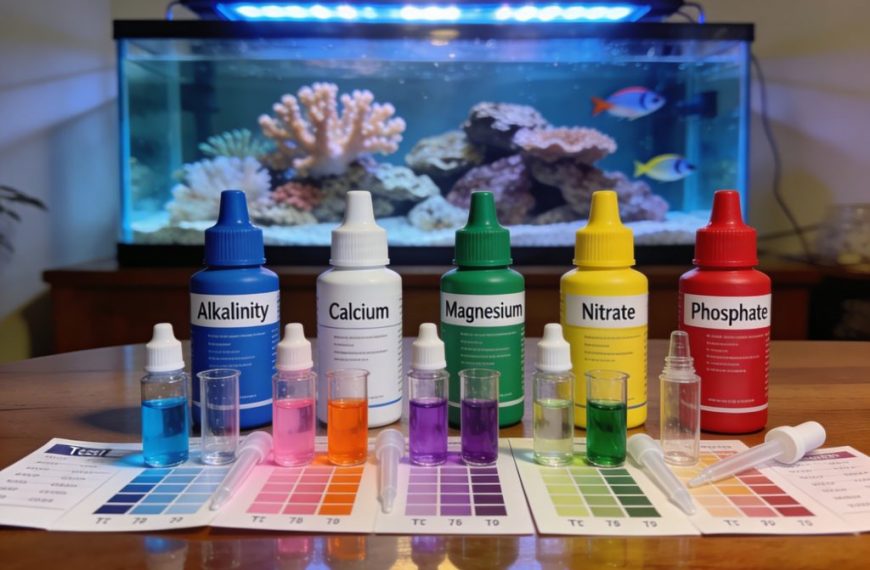
Many “compatibility” problems start as starvation or stress. Keep salinity stable at 1.025 to 1.026. Hold temperature at 77 to 79°F. Keep alkalinity 8 to 9 dKH for mixed reefs. Sudden swings trigger failed molts and rapid deaths.
Iodine is not a cure-all, but trace balance matters. Regular water changes often cover needs. Test nitrate and phosphate weekly at first. Target nitrate 2 to 15 ppm and phosphate 0.03 to 0.10 ppm. Ultra-low nutrients can starve filter feeders.
Feed with intent. Shrimp and crabs need meaty foods 3 to 5 times weekly. Use a pipette to target feed. Offer small pieces of mysis or pellets near their hide. This reduces coral picking and snail hunting. It also limits “mystery” aggression.
Filter feeders need suspended food. Dose phytoplankton 2 to 4 times weekly in many systems. Start with 5 to 10 mL per 10 gallons. Turn off the skimmer for 30 to 60 minutes. Watch for cloudy water and reduce if needed.
- Acclimate slowly for 45 to 90 minutes with drip acclimation.
- Never add inverts after copper treatment in that tank.
- Keep calcium 400 to 450 ppm and magnesium 1250 to 1400 ppm.
Need a stable routine? Use our reef parameter checklist to track trends.
Common pairings, red flags, and troubleshooting
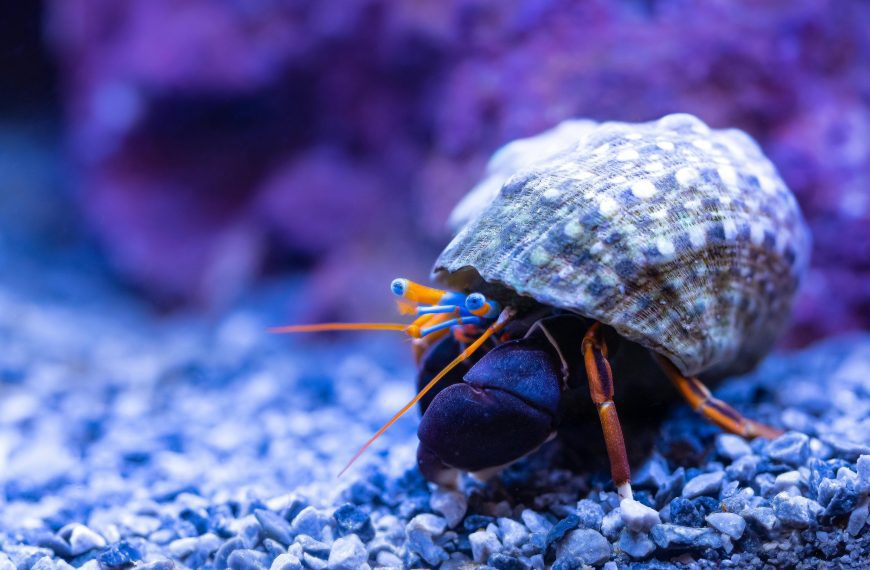
Many classic mixes work well. Snails plus small hermits can coexist when shells are available. Add 3 to 5 empty shells per hermit. Cleaner shrimp pair well with peaceful fish. Keep them in groups of two when possible. They feel safer and hide less.
Watch “red flag” combinations. Coral banded shrimp often harass smaller shrimp. Large brittle stars may trap fish in small tanks. Anemones can sting wandering snails and urchins. Keep at least 6 inches between anemones and rock paths.
Real-world example helps. In a 40-gallon reef, a single emerald crab behaved for months. Then it grew past 2 inches. It started grabbing trochus snails at night. The fix was simple. Feed heavier and remove the crab if it repeats.
When something goes missing, check three causes first. Look for molts and empty shells. Test salinity for drift from top-off failure. Inspect pumps and overflows for trapped snails. If predation is likely, use a red flashlight after lights out. You will often catch the culprit.
- If shrimp vanish, suspect wrasses, hawkfish, and dottybacks.
- If snails die fast, check for salinity swing and low alkalinity.
- If corals stay closed, reduce crab numbers and increase feeding.
Use our Fish Compatibility Chart for easy pairings
Sources: Borneman, Eric H. “Aquarium Corals.”; Fenner, Robert M. “The Conscientious Marine Aquarist.”; Delbeek, J. Charles & Sprung, Julian. “The Reef Aquarium” (Vol. 1–3).
 By
By
![[food] Seaweed Snacks](https://fancyreef.com/wp-content/uploads/49758399738-7b109775d3-b.jpg)