
Soft corals can be hardy and forgiving. They still compete for space and chemistry. Use these compatibility tips to avoid coral wars and slow declines.
Start with space, flow, and light that fit mixed softies
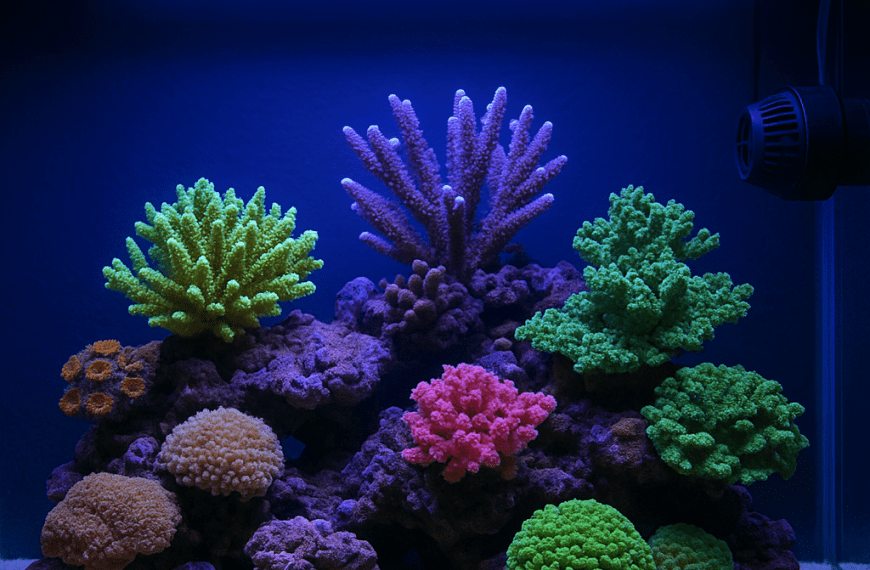
Most soft coral issues start with crowding. Give each colony room to expand. Plan for two to three times the current size. Keep at least 3 to 6 inches between colonies.
Match flow to the coral type. Leathers like moderate, indirect flow. Xenia and GSP accept higher flow. Aim for 20 to 40 times tank turnover per hour. Use random flow to prevent dead spots.
Keep lighting moderate for most softies. Many do well at 50 to 150 PAR. Start lower and ramp up over two weeks. Watch for stretching, which signals low light. Watch for bleaching, which signals excess light.
Stability matters more than chasing numbers. Hold salinity at 1.025 to 1.026. Keep temperature at 77 to 79°F. Maintain pH from 8.0 to 8.3. Keep alkalinity at 8 to 9 dKH for steady growth.
- Place fast growers on isolated rocks you can remove later.
- Use a turkey baster weekly to lift detritus from coral bases.
- Log PAR and flow changes in your reef tank maintenance schedule.
Manage chemical warfare and aggressive neighbors
Soft corals release allelopathic compounds. Leathers, cloves, and some mushrooms are common offenders. These chemicals can slow SPS and LPS growth. They can also irritate other softies in tight systems.
Run fresh activated carbon to reduce irritants. Use about 1/2 cup per 50 gallons. Replace it every two to four weeks. Add a filter sock after fragging or moving leathers. This traps slime and shed tissue.
Use smart placement to prevent stings and smothering. Mushrooms can detach and drift. They can shade prized frags overnight. Keep mushrooms on a “mushroom island” away from branching corals.
Watch for warning signs after new additions. Closed polyps for more than two days is a flag. A leather that stays waxy for a week needs help. Increase flow slightly and verify salinity with a calibrated refractometer.
- Run carbon after adding a new leather or doing heavy pruning.
- Keep 10 to 15% water changes every two weeks in mixed soft coral tanks.
- Quarantine frags to avoid pests. Use steps from coral quarantine guide.
Control spreaders and keep nutrients in the soft coral sweet spot
Some softies are “weeds” in a good way. Green star polyps can cover rock fast. Clove polyps can pop up in new spots. Xenia can walk across the reef. Plan ahead or you will lose access to your rockwork.
Use physical barriers to control spread. Place GSP on the back wall or one rock. Keep a sand gap around that rock. Trim the mat with scissors and peel it back. Remove trimmings from the tank right away.
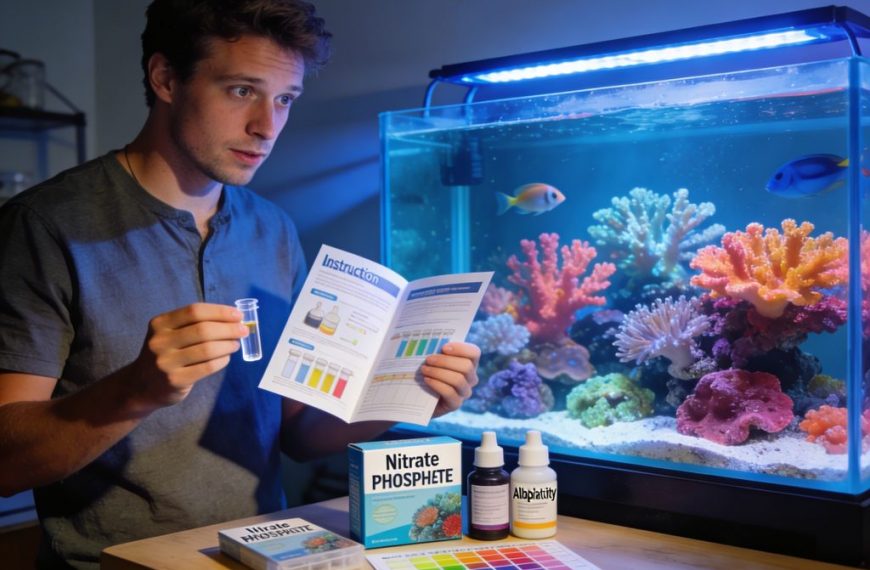
Soft corals often like “dirty clean” water. Keep nitrate around 5 to 15 ppm. Keep phosphate around 0.03 to 0.10 ppm. Ultra-low nutrients can cause shrinking and poor pulsing. Excess nutrients can fuel algae that smothers polyps.
Feed the tank with intent. Dose amino acids only if nutrients stay stable. Spot feed mushrooms with small mysis twice weekly. Turn off pumps for 10 minutes. Resume flow to prevent food from rotting in crevices.
- Trim GSP monthly once it nears other rocks.
- Use a toothbrush to scrub clove polyps from unwanted areas.
- Test nitrate and phosphate weekly during the first two months. Track results in your reef water parameters log.
Soft coral compatibility is mostly planning and routine. Give them space, stable parameters, and consistent export. Use carbon and pruning to prevent slow chemical and physical takeovers. With these habits, mixed soft coral reefs stay colorful and calm.
Sources: Borneman, Eric H. “Aquarium Corals”; Delbeek & Sprung, “The Reef Aquarium” Vol. 1–3; Fenner, Robert. “The Conscientious Marine Aquarist”.
 By
By
![[food] Seaweed Snacks](https://fancyreef.com/wp-content/uploads/49758399738-7b109775d3-b.jpg)