A TDS meter is a simple tool for better reef water. It helps you confirm your RO/DI system works. It also catches problems before algae and cyano show up.
What a TDS meter measures (and why reef keepers care)
TDS means total dissolved solids. Most hobby meters estimate TDS from conductivity. The reading is shown in ppm, or parts per million. Lower numbers mean purer water.
For reef tanks, the main goal is clean source water. Good RO water often reads 1–10 ppm. Fresh DI water should read 0 ppm. Many reefers replace DI resin when it rises to 1–2 ppm.
TDS does not identify specific contaminants. It also misses some uncharged molecules. Still, it is a fast warning system. It helps prevent silicates, nitrates, and metals from creeping in.
Use TDS with other checks for full coverage. Track salinity with a refractometer. Track nutrients with nitrate and phosphate tests. For a setup overview, see RO/DI water basics.
How to use and calibrate a TDS meter correctly
Start with clean technique. Rinse the probe with RO/DI water first. Shake off droplets before measuring. Residual salt can spike readings fast.
Measure three points if you can. Test tap water to know your baseline. Test RO-only water to judge the membrane. Test final RO/DI water to judge the DI stage.
Use these targets as a practical guide. Tap water varies from 50 to 500+ ppm. RO-only should show 90–98% rejection. Final RO/DI should be 0 ppm for mixing salt.
Calibrate if your meter supports it. Use a 342 ppm NaCl calibration solution. Rinse the probe, then immerse to the fill line. Adjust until it reads 342 at 25°C, or use ATC.
- Let the reading stabilize for 10–20 seconds before you record it.
- Use a clean cup and never measure in a salt bucket.
- Store the meter dry unless the manual says otherwise.
Interpreting results and fixing common TDS problems
High RO/DI TDS usually points to a stage failure. Check your sediment and carbon blocks first. Clogged prefilters reduce pressure and membrane performance. Replace them every 6 months, or sooner with dirty water.
Calculate membrane rejection to spot issues. Use: (Tap TDS − RO TDS) ÷ Tap TDS × 100. Example: 200 ppm tap and 10 ppm RO equals 95% rejection. If you see under 90%, inspect pressure and the membrane.
Watch for TDS creep at startup. The first minute can read higher. Flush to drain for 30–60 seconds. Then collect water for your reservoir. This helps when you make small batches often.
If RO is fine but DI rises, your resin is exhausted. Replace DI when it hits 1–2 ppm. Pack resin tightly to prevent channeling. Keep spare resin sealed from air to avoid CO2 loading.
- If final water reads 3–5 ppm, flush and re-test in a clean cup.
- If RO reads high, confirm 60–80 psi at the membrane inlet.
- If DI burns fast, add a second DI canister in series.
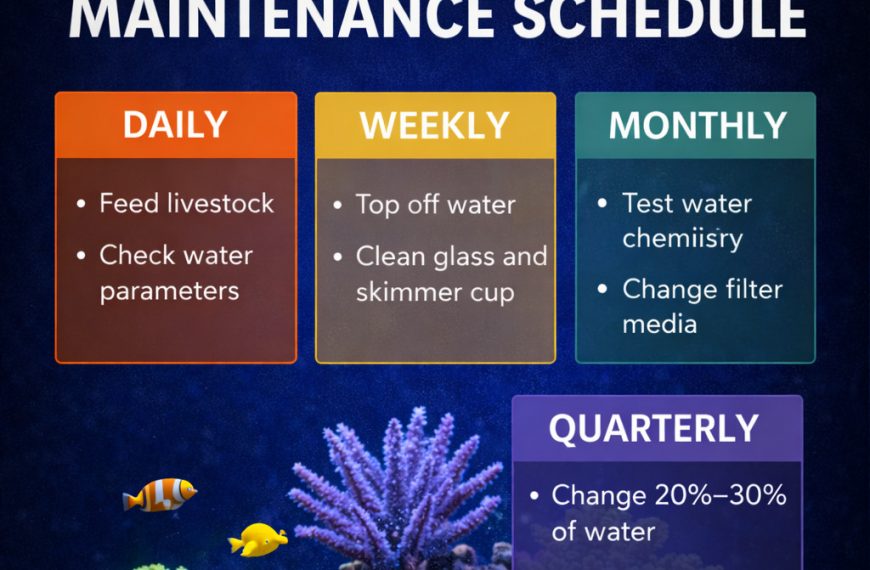
Use a log to spot trends. Record tap, RO, and RO/DI weekly. Note filter dates and pressure readings. For more maintenance planning, see reef tank maintenance schedule.
Best practices for reef mixing and top-off water
Use 0 TDS water for top-off whenever possible. Evaporation leaves minerals behind. Top-off with impure water concentrates impurities over time. This can fuel algae and irritate sensitive corals.
For salt mixing, start with 0 TDS water in a clean container. Heat to 24–26°C and mix with a powerhead. Aim for 1.025–1.026 specific gravity. Let it mix for at least 2 hours before use.
Do not chase tank problems with TDS alone. A tank can still have nutrients from feeding. Use TDS to protect your inputs. Then tune export with skimming and water changes.
- Keep a dedicated RO/DI cup and label it “freshwater only.”
- Test TDS after changing filters, then again after 20 gallons.
- Pair TDS checks with salinity checks. See how to calibrate a refractometer.
Sources: HM Digital TDS meter documentation; SpectraPure RO/DI troubleshooting guides; Bulk Reef Supply RO/DI filter and membrane education articles.
 By
By