Aquarium success comes from steady routines. A maintenance log turns guesswork into repeatable results. It also helps you spot problems early.
Why a maintenance log matters
Reef tanks change fast. A missed top-off can raise salinity in hours. A log shows what changed and when it changed.
Use your log to connect cause and effect. Did nitrate climb after heavier feeding? Did alkalinity drop after adding new coral? The notes make patterns obvious.
A log also protects you from “parameter chasing.” You can see normal swings for your tank. That keeps your adjustments small and safe.
It helps during troubleshooting too. When a fish breathes fast, you can review temperature, pH, and oxygen events. Pair this with your reef tank water parameters guide for targets.
- Track stability, not perfection, and aim for slow trends.
- Write notes the same day, not later.
- Log every new addition, even “just one frag.”
What to record and target numbers
Start with a simple template. Record date, time, and who did the work. Then log water tests, dosing, and any livestock changes.
Include core parameters with units. For reefs, record salinity at 1.025–1.026 specific gravity. Keep temperature at 77–79°F with swings under 1°F daily.
Log alkalinity, calcium, and magnesium together. Many tanks run well at 8–9 dKH, 420–450 ppm calcium, and 1300–1400 ppm magnesium. Also record nitrate and phosphate, since nutrients drive algae and coral color.
Add equipment readings and observations. Note ATO reservoir level, skimmer output, and filter sock changes. If you run a controller, copy any alerts into the log.
- Salinity: 1.025–1.026 SG, measured with a calibrated refractometer.
- Alkalinity: 8–9 dKH, test 2–3 times weekly for SPS systems.
- Nitrate: 2–15 ppm, phosphate: 0.03–0.10 ppm for many mixed reefs.
Link your log to your process. When you make saltwater, record brand, mix time, and salinity. Keep a reference to your saltwater mixing guide so each batch matches.
How to use the log for routines and troubleshooting
Build a weekly rhythm and log it. Example: test alkalinity Monday, Wednesday, and Saturday. Do a 10% water change every Sunday. Clean the skimmer cup twice weekly.
Use checkboxes for repeat tasks. “Top off reservoir filled,” “filter floss changed,” and “glass cleaned” reduce missed steps. A missed step often explains sudden algae or cloudy water.
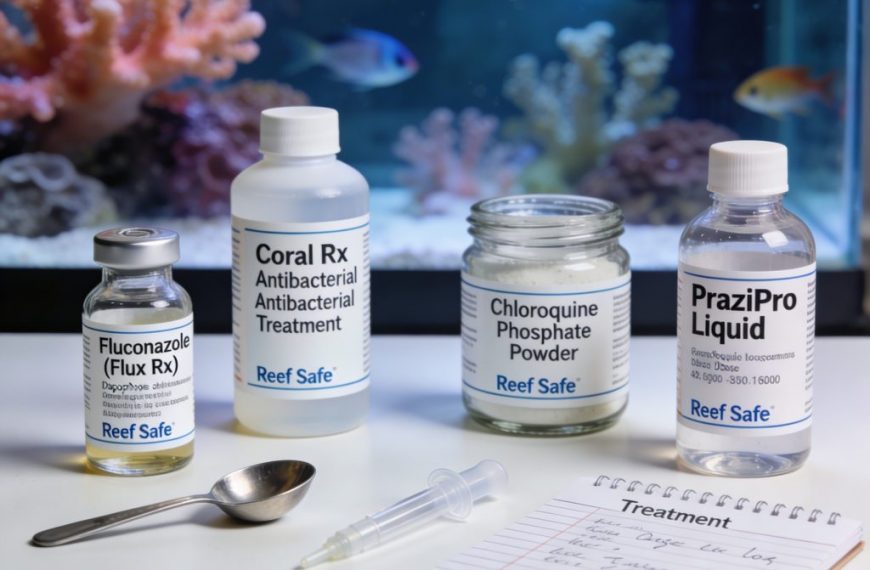
When something looks off, write a short incident entry. Note symptoms, what you tested, and what you changed. If you treated a fish, include dose, start date, and end date. Keep quarantine notes with your quarantine for reef fish plan.
Here is a real example. Your alkalinity falls from 8.5 to 7.6 dKH in four days. The log shows you added two fast-growing frags and forgot to increase dosing. You can raise alkalinity by no more than 0.5 dKH per day and re-test daily.
- If nitrate rises fast, confirm feeding amounts and check mechanical filtration.
- If salinity drifts up, inspect the ATO sensor and refill schedule.
- If pH drops at night, increase surface agitation and check CO2 in the room.
Common mistakes and a simple log template
The biggest mistake is logging only test numbers. You also need actions and context. “Alk 8.2” means little without dosing changes and livestock notes.
Another mistake is changing many things at once. If you adjust light, flow, and nutrients together, you lose the cause. The log should encourage one change at a time.
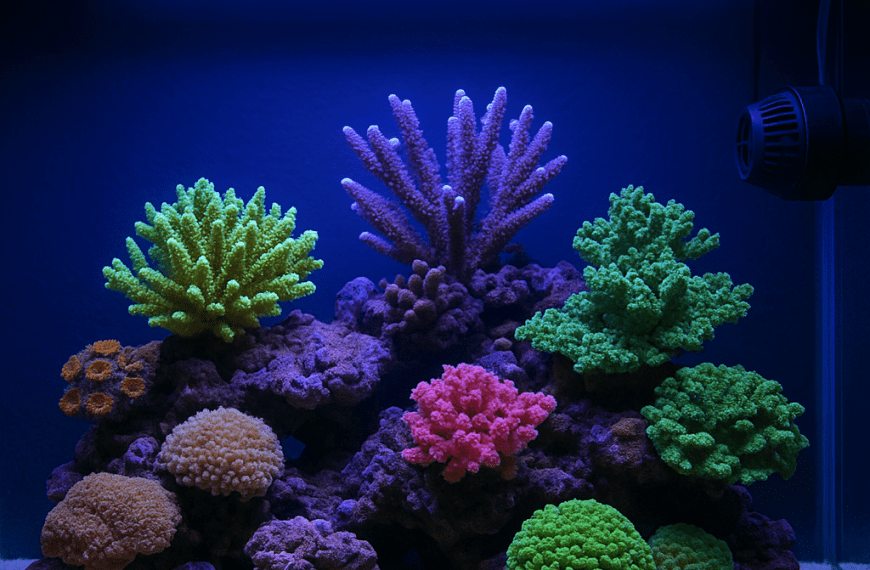
Keep the template short so you will use it. Try this structure: Date/Time, Tests, Dosing, Feeding, Maintenance, Livestock, Notes. Add a photo once weekly to track coral growth and algae.
Store your log where you work. A clipboard near the tank works well. A shared note app helps if multiple people maintain the system.
Sources: Randy Holmes-Farley, “Aquarium Chemistry” articles (Reefkeeping Magazine); Julian Sprung, The Reef Aquarium series; Fenner, The Conscientious Marine Aquarist.
 By
By