Feeding reef fish looks simple, but it drives color, growth, and immune health. A good plan also reduces algae, cyanobacteria, and wasted money. This reef fish food guide breaks down what to feed, how much, and how often.
Match food to fish type and mouth size
Start by grouping fish by how they eat. Planktivores need small suspended foods. Grazers need frequent plant matter. Predators need larger meaty pieces. Mixed reefs need a schedule that serves all groups.
Use particle size as a rule. Tiny fish need 0.5–1 mm pellets. Medium fish do well on 1–2 mm pellets. Large angels and triggers handle 3–6 mm pellets. If food hits the sand fast, it is too big.
Build a core menu, then add variety. Pellets and flakes give consistent vitamins. Frozen foods add moisture and appetite. Nori and algae blends support herbivores. Rotate foods to avoid gaps.
Quarantine changes feeding needs. New fish often refuse pellets at first. Start with frozen mysis or brine. Then mix in pellets over 7–14 days. Use this plan in quarantine tank setup routines.
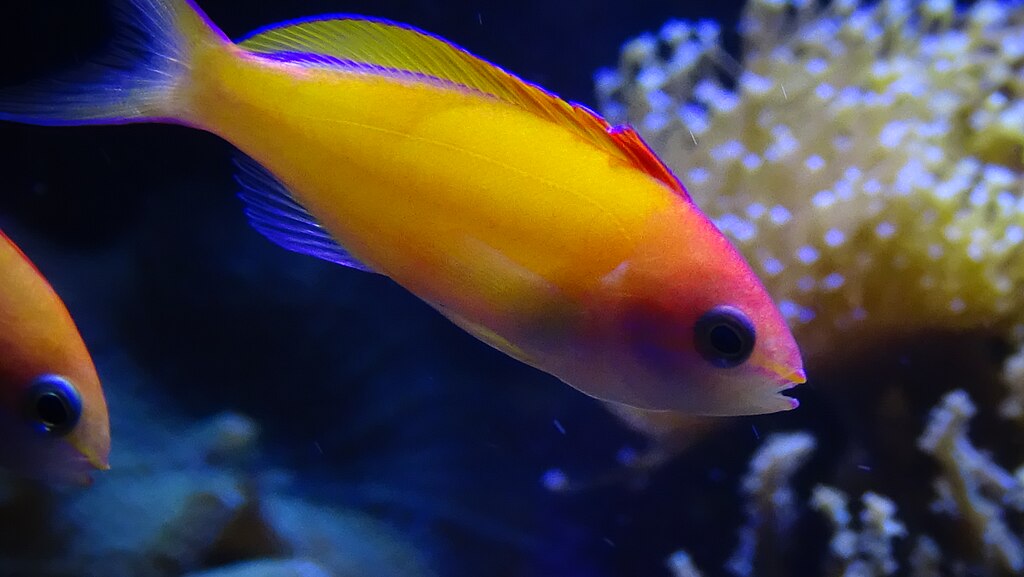
- Planktivores: anthias, chromis, wrasses. Use reef roids-sized foods, copepods, and small pellets.
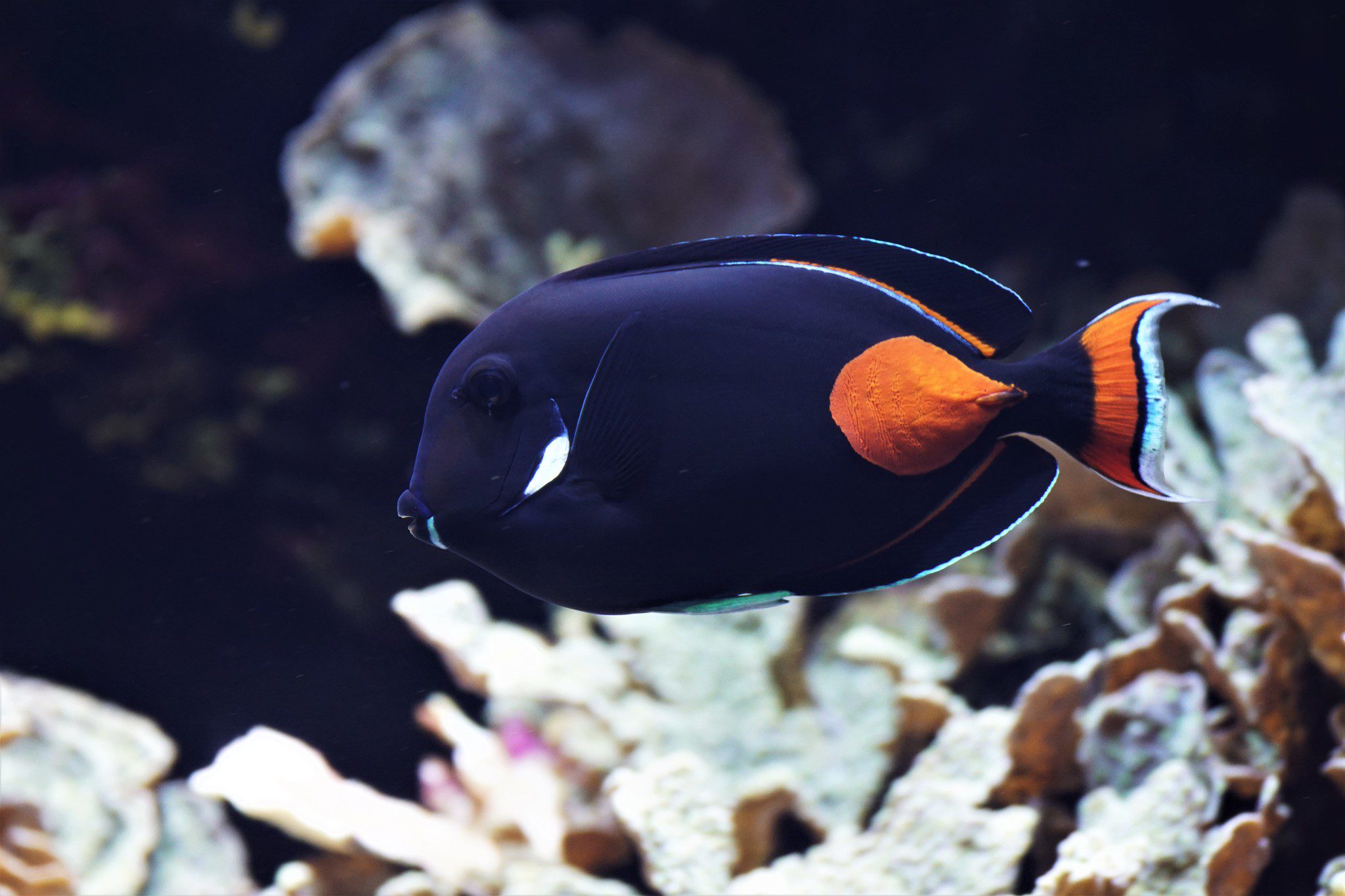
- Grazers: tangs, rabbitfish. Offer nori daily and algae pellets.
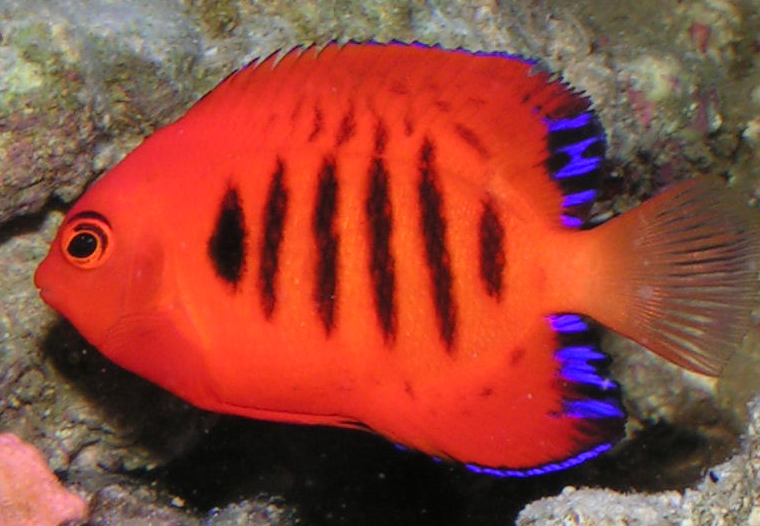
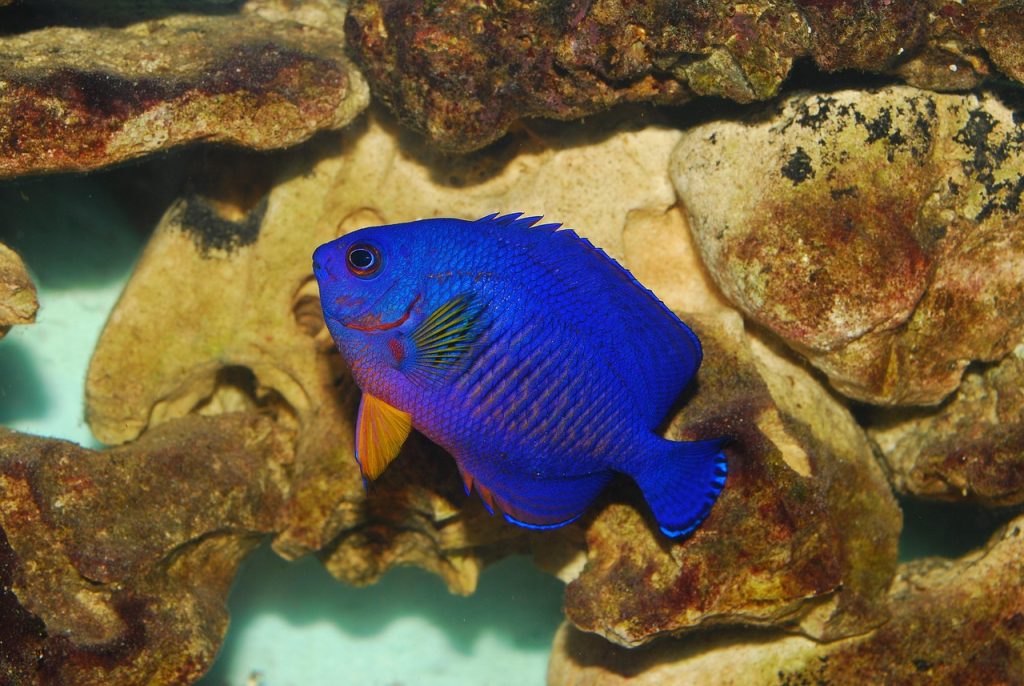
- Pickers: angels, butterflies. Mix sponge-based foods, clam, and mysis.
Portion control, frequency, and nutrient balance
Feed small portions, more often. Most reef fish do best with 2–4 feedings daily. Anthias may need 4–6 small feedings. A good portion is what they finish in 30–60 seconds.
Use a simple weekly rhythm. Feed pellets once daily for consistency. Add frozen foods 3–5 times weekly. Offer nori 5–7 days weekly for grazers. Remove uneaten nori after 2 hours.
Soak foods when needed. Use a vitamin supplement 2–3 times weekly. Use an HUFA booster for thin fish. If you battle head and lateral line erosion, increase vitamins and greens. Also check stray voltage and carbon dust.
Watch your nutrient numbers and adjust portions. Aim for nitrate at 2–15 ppm in most reefs. Keep phosphate at 0.03–0.10 ppm. If nitrate stays at 0, feed more or reduce export. If phosphate climbs, cut frozen volume and rinse foods.
- Rinse frozen foods in a fine net to reduce phosphate-rich juices.
- Use an auto-feeder for pellets during workdays.
- Target feed shy fish with a pipette after lights dim.
Troubleshooting: picky eaters, aggression, and water issues
Picky fish often need a confidence window. Turn off pumps for 5 minutes. Offer small amounts near their hiding spot. Use blackworms or clam on the half shell for stubborn angels. Then transition to pellets slowly.
Aggression can be a feeding problem. Fast fish steal food first. Spread food across the tank surface. Use two feeding clips for nori. Feed a tiny “starter” pinch, then the main portion. This reduces chasing.
Cloudy water after feeding points to overfeeding or poor export. Reduce each meal by 25% for one week. Increase skimmer wetness slightly. Clean filter socks within 24 hours. Review protein skimmer tuning for better removal.
If algae surges, confirm test accuracy first. Check phosphate with a fresh reagent. Look for hidden food traps under rocks. Switch to higher quality pellets with fewer fillers. Use this alongside reef tank nutrient control basics.
- Common mistake: feeding one large meal daily. Split it into two meals instead.
- Common mistake: leaving nori all day. Remove it after 2 hours.
- Common mistake: only feeding brine shrimp. Add mysis and quality pellets.
A strong feeding plan is a balance of variety and restraint. Match food size and type to each fish. Track nitrate and phosphate as your feedback loop. With small, consistent meals, your reef fish stay bold and colorful.
Sources: Hovanec & DeLong nitrification research summaries; Fenner, “The Conscientious Marine Aquarist”; Borneman, “Aquarium Corals” feeding and nutrition sections; NOAA reef fish diet overviews.
 By
By