Cloudy water is common in reef tanks. It can appear overnight. The cause is usually simple, and fixable.
This guide helps you identify the cloud type fast. It also gives safe steps to clear it. You will protect fish, corals, and bacteria.
Identify the cloud type before you act
Start with a close look under white light. Milky white haze often means a bacterial bloom. Green water points to free-floating algae. Tan or gray haze often comes from sand and detritus.
Test the basics right away. Check temperature at 77–79°F. Keep salinity at 1.025–1.026 specific gravity. Aim for pH 8.0–8.3 and alkalinity 8–9 dKH.
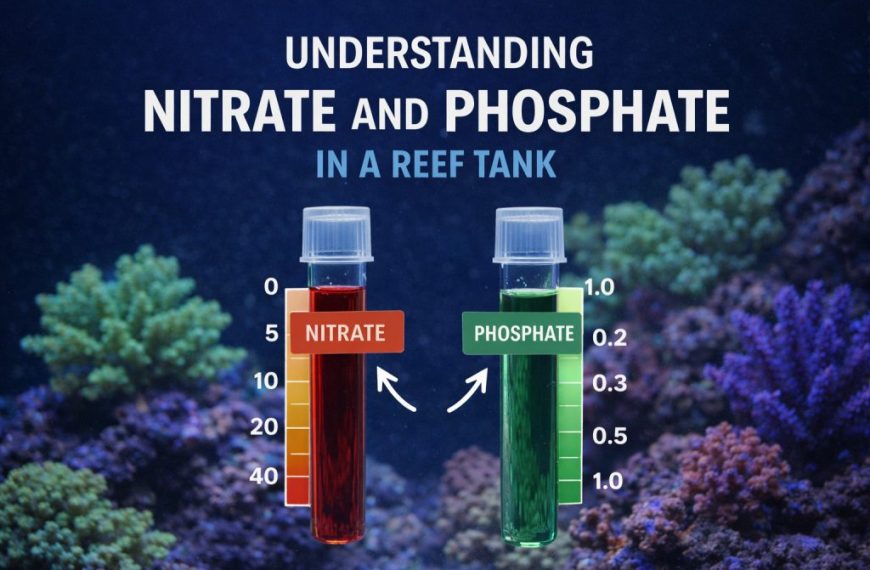
Also test ammonia and nitrite. Both should read 0 ppm in a stable reef. Nitrate often sits at 2–15 ppm. Phosphate often runs 0.03–0.10 ppm.
Use your nose and your eyes. A sour smell suggests decaying organics. A sudden haze after adding bacteria is common. A haze after stirring sand is also normal.
- Milky white + low visibility: likely bacterial bloom or microbubbles
- Green tint: likely algae bloom from excess light and nutrients
- Dusty tan: likely sand fines or detritus in suspension
- Shimmering “sparkles”: often microbubbles from pumps or skimmer
If you are unsure, slow down. Avoid “quick fix” chemicals. Use data and observation first. Review your reef tank water parameters checklist.
Fix the cause with safe, repeatable steps
For bacterial blooms, increase oxygenation first. Point a powerhead at the surface. Run the skimmer wet for 24–48 hours. Keep lights normal to reduce stress.
Do a modest water change if animals look stressed. Change 10–20% with matched salinity and temperature. Do not rinse all media at once. That can crash your biofilter.
For sand and detritus, improve mechanical filtration. Add clean filter floss and change it daily. Use a 100–200 micron filter sock if you have one. Reduce flow hitting the sand bed directly.
For algae blooms, reduce the fuel. Cut white light intensity by 20–30% for one week. Confirm nitrate and phosphate are not climbing. Consider feeding less for a few days.
- Run fresh carbon in a mesh bag, 1 cup per 50 gallons
- Change filter floss every 24 hours until clear
- Clean the skimmer neck daily for stronger foam
- Vacuum only 25% of sand per session to avoid spikes
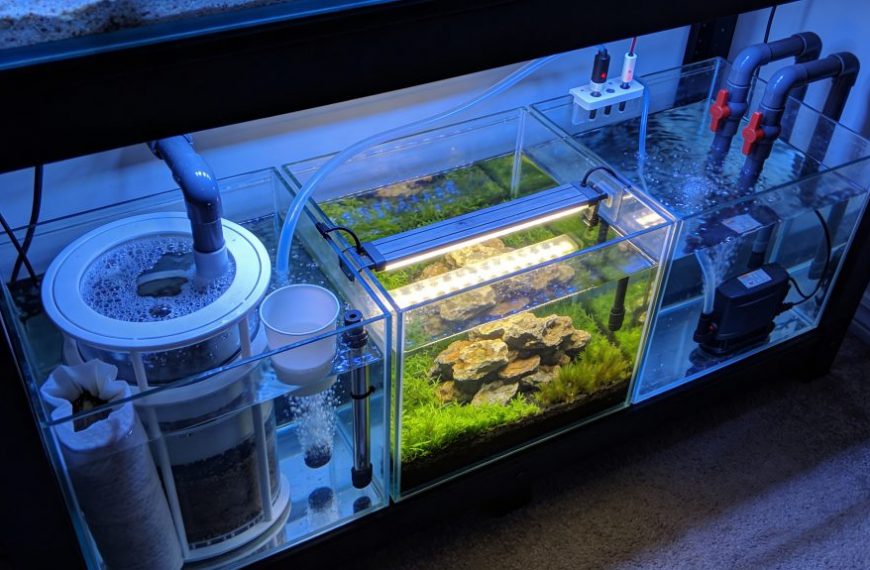
Use a UV sterilizer when blooms repeat. Size it for your system volume. For clarity, target 1–2x display turnover per hour. Replace UV bulbs every 9–12 months.
Cloudy water after a new setup is common. It often clears in 3–7 days. Avoid adding more fish during haze. Follow a steady new reef tank cycle plan.
Troubleshooting and common mistakes
Microbubbles can mimic cloudiness. Check skimmer output and return lines. Look for air leaks on the intake side. A loose union can pull in air.
Overdosing bacteria or carbon sources can cause white haze. This includes vodka, vinegar, and some “cleaner” products. Stop dosing for 48 hours if haze starts. Increase aeration during that pause.
Dirty RO/DI water can also cloud a tank. Check TDS on the product line. Aim for 0–2 TDS for reef use. Replace DI resin when it rises above 2.
Do not chase clarity with big swings. Avoid 50% water changes unless there is poisoning. Sudden parameter shifts harm corals. Use small steps and retest daily.
- If fish gasp, add an airstone and lower temperature to 76–77°F
- If ammonia is above 0.1 ppm, stop feeding and add seeded media
- If haze follows new sand, rinse replacement sand in saltwater first
- If corals stay closed, check alkalinity stability over three days
Keep a simple log. Note feeding, additives, and filter changes. Patterns appear fast in writing. Our reef tank maintenance schedule helps prevent repeat events.
Cloudy reef water is a symptom, not a diagnosis. Identify the haze type and confirm with tests. Then apply targeted fixes and give the tank time.
Most tanks clear within days with stable parameters. Protect oxygen levels and avoid big changes. Your reef will look sharp again soon.
Sources: Borneman, E. (2001) Aquarium Corals; Delbeek, J.C. & Sprung, J. (1994–2005) The Reef Aquarium Vol. 1–3; Fenner, R. (2008) The Conscientious Marine Aquarist.
 By
By