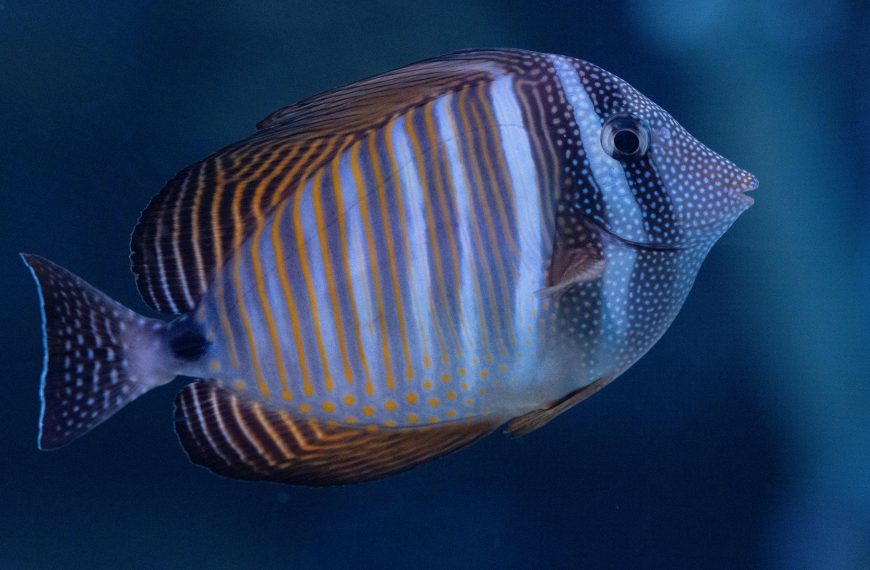
New fish can carry parasites and bacteria. Sick fish also need fast, focused care. A quarantine tank and a hospital tank solve different problems.
Many hobbyists use one spare tank for both jobs. That can work if you plan ahead. The key is knowing the goal and the setup.
What a quarantine tank is for
A quarantine tank is for observation and prevention. It protects your display tank from new arrivals. It also reduces stress during the first weeks.
Use a simple tank sized for the fish. A 10–20 gallon works for small fish. A 29–40 gallon fits most medium fish. Match salinity to the store, then adjust slowly.
Keep parameters stable and boring. Aim for 1.025 specific gravity, 76–78°F, and pH 8.0–8.3. Keep ammonia at 0 ppm at all times. Keep nitrite at 0 ppm too.
Quarantine usually lasts 21–30 days. Watch breathing rate, appetite, and spots. Feed twice daily in small portions. Log notes so you spot trends early.
- Use a sponge filter seeded for at least 2 weeks.
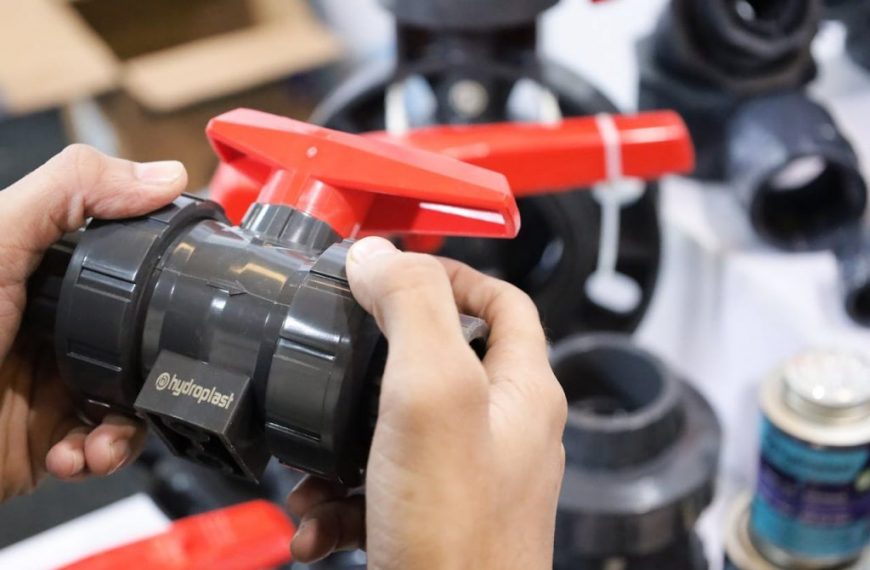
- Add PVC elbows for hiding and easy cleaning.
- Test ammonia daily for the first 7 days.
- Do 10–25% water changes as needed to keep ammonia at 0.
If you prefer proactive treatment, plan for it. Copper and some antibiotics can crash biofilters. Keep extra saltwater ready. For deeper setup help, see our quarantine tank setup guide.
What a hospital tank is for
A hospital tank is for active treatment of illness. It is used when a fish shows clear symptoms. Think heavy breathing, flashing, ulcers, or visible parasites.
Hospital tanks must be easy to sterilize. Bare bottom is best. Use a heater, air stone, and a simple filter. Many hobbyists run only mechanical filtration during meds.
Medication choices depend on the diagnosis. Copper targets ich and velvet in fish-only systems. Typical chelated copper targets 2.0–2.5 ppm, based on the product. Always verify with a matching copper test kit.
Antibiotics often need strong aeration. Many reduce oxygen and irritate gills. Raise surface agitation and add an air stone. Keep temperature stable and avoid sudden salinity swings.
- Remove carbon and resins before dosing medications.
- Measure meds with syringes for repeatable doses.
- Test copper at least once daily during treatment.
- Watch for appetite loss and rapid breathing as warning signs.
Common mistake: treating without a diagnosis. Another mistake is using display rock or sand in a medicated tank. Porous media can absorb meds and release them later. For symptom checklists, read common marine fish disease signs.
Can one tank do both jobs?
One tank can do both, but you must control contamination. Quarantine is a clean start. Hospital use can leave pathogens and medication residue. You need a reset step after treatment.
Use dedicated tools for each system. Label nets, buckets, and siphon hoses. Never share water between tanks. Wash hands and arms between tasks.
After hospital use, break the tank down. Rinse and dry everything fully. A 24–48 hour dry-out helps many parasites. Replace any sponge media if you used harsh meds.
Real example: a new clownfish eats well but has white dots. Start with quarantine observation for 48 hours. If dots spread and breathing increases, switch to hospital treatment. That decision keeps the display tank safe.
- Keep two seeded sponge filters in your sump as backups.
- Store PVC pieces dry and ready for quick setups.
- Mix 20 gallons of saltwater ahead of new fish day.
If you want a simple workflow, set up quarantine first. Upgrade it to hospital only when needed. Then sterilize and restart quarantine. For more planning, see our emergency hospital kit checklist.
A quarantine tank prevents problems from entering your reef. A hospital tank treats problems fast and safely. Use the right tool for the job, and your display stays stable.
Keep gear simple and parameters steady. Test often and write notes. Good habits beat panic dosing every time.
Sources: Humblefish Disease Forum (quarantine and treatment protocols); Noga, E.J. “Fish Disease: Diagnosis and Treatment”; Colorni, A. and Burgess, P. marine ich research summaries.
 By
By