Bringing home a new saltwater fish is exciting. It is also risky if you rush the first hour. Good acclimation reduces shock and lowers disease risk.
Before you open the bag: prep your tank and tools
Start with stable water. Match salinity, temperature, and pH to your target range. For most community marine tanks, aim for 1.025 specific gravity, 76–78°F, and pH 8.1–8.4.
Dim the lights before the fish arrives. Turn off display lights for 4–6 hours. Leave room lights low. This reduces panic and jumping.
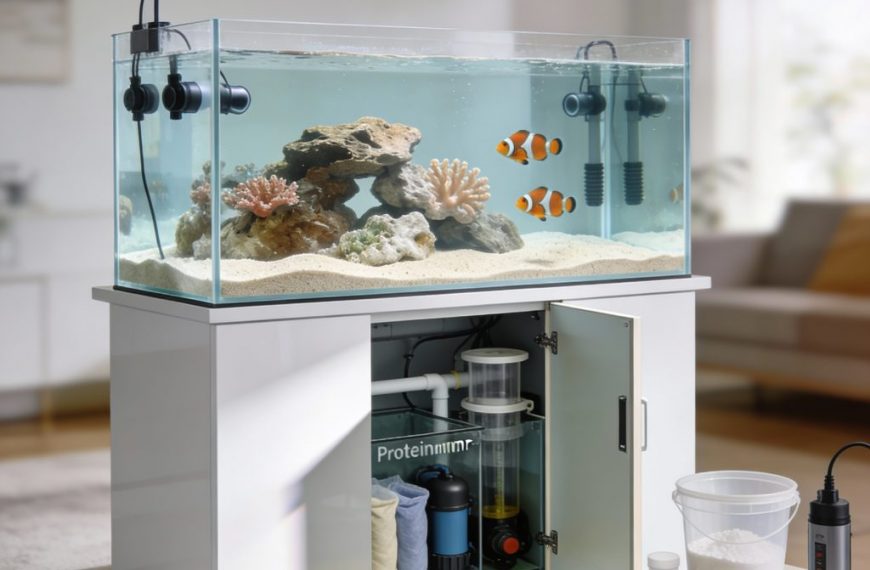
Gather simple tools. Use a clean bucket, airline tubing, and a valve or knot. Add a clip for the tubing and a thermometer. Keep a refractometer ready for salinity checks.
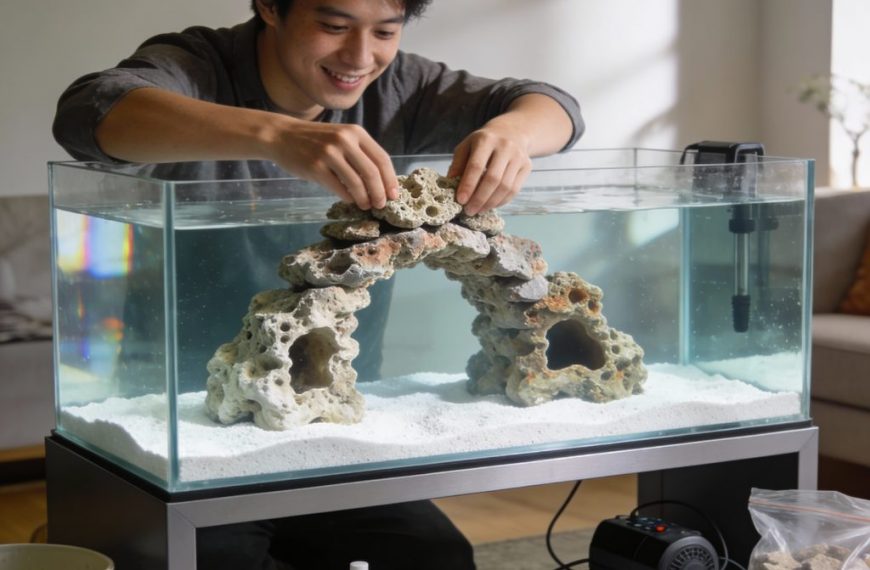
Decide where the fish will go first. A quarantine tank is best for most fish. It should be 10–20 gallons for small fish. Use a heater, sponge filter, and hiding PVC. See our quarantine tank setup guide and marine fish disease prevention basics.
- Stop feeding your display for a few hours before introduction.
- Have a lid or mesh screen ready for jumpers.
- Mix extra saltwater for emergencies and top-off needs.
Step-by-step acclimation methods (and when to use each)
Float the sealed bag for temperature first. Give it 15–20 minutes. Keep the bag out of bright light. Do not extend floating for an hour. Ammonia can rise fast in a closed bag.
Next, test the bag water salinity if you can. Many stores run 1.018–1.022. Your reef may be 1.025. A big jump can stress gills and kidneys. That is why drip acclimation helps.
For drip acclimation, pour bag water and fish into a bucket. Clip airline tubing from the tank to the bucket. Set 2–4 drops per second. Aim for 30–45 minutes total. Double the bucket volume once or twice. Remove half the water each time to avoid overflow.
Use a faster method for delicate shipping water. If the bag smells sharp or the fish is gasping, shorten the process. Do 5 minutes of floating, then 10–15 minutes of quick mixing. Add 1/4 cup tank water every 2 minutes. Move the fish sooner. This limits exposure to rising ammonia after the bag opens.
- Match temperature first, then salinity, then pH.
- Never pour store water into your tank.
- Use a fish net or specimen cup for transfer.
After the transfer: reduce stress and watch for trouble
Move the fish gently and keep it submerged. A specimen container works well for wrasses and tangs. Release it near rockwork or a hiding spot. Leave lights off the rest of the day.
Do not feed right away. Wait 4–6 hours, or until the fish explores. Offer a small meal first. Try frozen mysis or enriched brine. For herbivores, add a 2×2 inch algae sheet.
Watch breathing and posture for the first 24 hours. Normal is steady gill movement and calm swimming. Trouble signs include rapid breathing, flashing, clamped fins, or lying on the bottom. Check ammonia and pH if you see these signs.
Common mistakes cause many losses. Fast salinity changes can shock fish. Long acclimation in dirty bag water can burn gills. Aggressive tankmates can finish a stressed newcomer. Use an acclimation box if needed. Learn more in introducing new fish to a reef tank.
- Target ammonia: 0 ppm in QT or display after introduction.
- Keep salinity changes under 0.002 SG per 30 minutes when possible.
- Run extra aeration for 24 hours after adding new fish.
Good acclimation is simple and repeatable. Prepare your tank, choose the right method, and keep the first day calm. Your fish will eat sooner and settle in faster.
Sources: HumbleFish Disease Forum (acclimation and ammonia guidance); Reef2Reef acclimation discussions; Fenner, R. “The Conscientious Marine Aquarist.”
 By
By