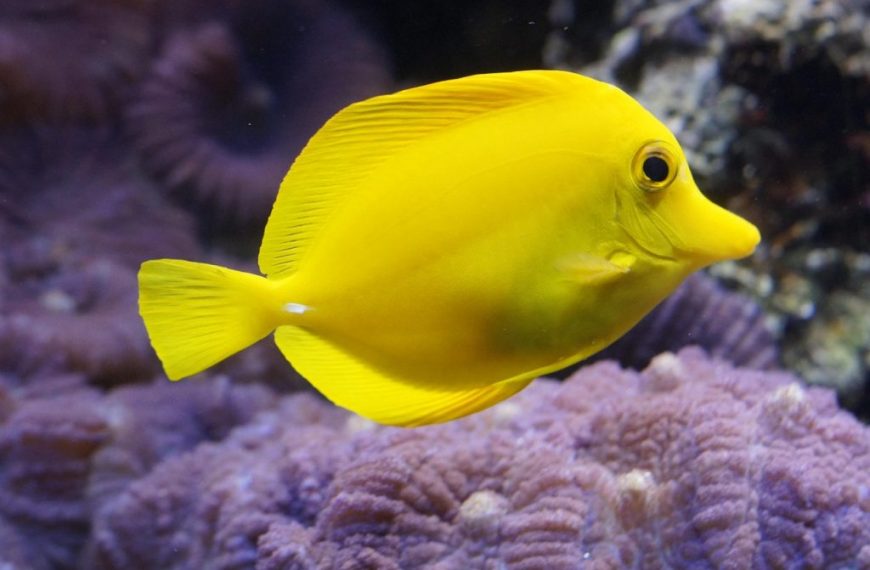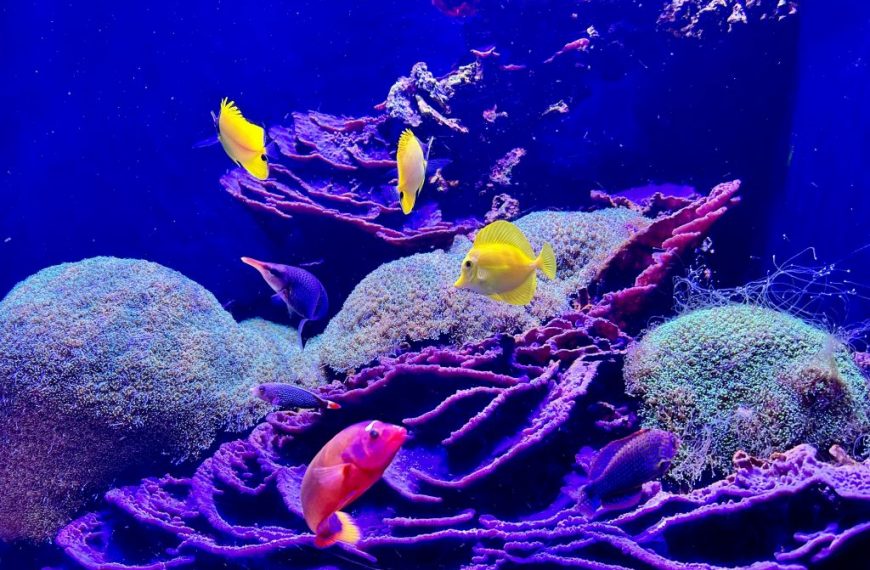
Nori is one of the best foods for reef herbivores. It boosts color, reduces aggression, and keeps fish grazing. Used wrong, it can foul water fast.
This guide covers how to choose, prep, and feed nori safely. You will also learn schedules, portion sizes, and quick troubleshooting.
Choose the right nori and prep it correctly
Use plain, unseasoned seaweed sheets. Avoid “snack” nori with oil, salt, or spices. Those additives can irritate fish and raise nutrients.
Most reef keepers use green or red nori. Green is widely accepted by tangs and rabbitfish. Red can be softer and often tempts picky eaters.
Cut a sheet into smaller pieces before feeding. Start with a piece about 2 x 3 inches for a 75-gallon tank. For a 30-gallon tank, start with 1 x 2 inches.
Fold the piece once or twice to thicken it. This helps it stay on a clip. It also slows tearing and reduces floating bits.
- Store nori in a sealed bag away from humidity.
- Wash hands first to avoid oils and soap residue.
- Soak nori for 10–20 seconds if it blows around.
If you run a strict quarantine plan, keep nori tools separate. A clip can move parasites between systems. Learn more in our quarantine basics guide.
Best feeding methods, timing, and portions
The easiest method is a nori clip on the glass. Place it mid-level in moderate flow. High flow shreds sheets and spreads debris.
Offer nori when lights are on and fish are active. Many tanks do best with one feeding in the morning. Add a second small piece in the late afternoon for heavy grazers.
Remove uneaten nori after 2–3 hours. In warm reef water, it breaks down quickly. This can spike nitrate and phosphate within days.
Watch your nutrient trend and adjust portions. Aim for nitrate 2–15 ppm and phosphate 0.03–0.10 ppm in most mixed reefs. If phosphate climbs, cut the sheet size by half.
- Start small and increase only if the sheet is gone fast.
- Feed nori 4–7 days per week for tangs and rabbitfish.
- Pair with frozen foods to cover protein needs.
If you keep multiple tangs, use two clips. Space them far apart to reduce chasing. This works well in 4-foot tanks and larger.
Need a full herbivore plan? See our reef feeding schedule for a simple weekly rotation.
Troubleshooting: picky fish, mess, and common mistakes
If fish ignore nori, check stress first. New tangs may hide for days. Try a smaller piece near their favorite rock.
Some fish prefer softer textures. Briefly soak nori in tank water to sink it. You can also rubber-band a small strip to a rock for natural grazing.
Mess usually comes from too much flow or too large a sheet. Move the clip to calmer water and fold the nori thicker. Replace clips with weak springs that let sheets slip out.
Do not leave nori in overnight. Snails and hermits will shred it. The fragments can clog socks and raise detritus.
- If algae blooms rise, reduce nori by 25% and increase export.
- Rinse or swap filter socks within 24 hours of heavy feeding.
- Track phosphate weekly with a reliable test kit.
If your tang shows head and lateral line erosion, review diet variety. Add spirulina flakes and quality pellets. Also confirm stable salinity at 1.025–1.026.
For nutrient control tips, read our reef nutrient control article. It covers skimming, refugiums, and feeding balance.
Feeding nori is simple once you control portions and cleanup time. Start with small pieces and watch your fish behavior. With steady parameters, nori becomes a safe daily staple.
Keep it plain, remove leftovers, and adjust to your nutrient goals. Your grazers will stay fuller, calmer, and more colorful.
Sources: Fenner, R. (The Conscientious Marine Aquarist); Delbeek & Sprung (The Reef Aquarium, Vol. 1–3); Tullock, J.H. (Natural Reef Aquariums).

 By
By