Ocellaris Clownfish Care Basics
Ocellaris clownfish are hardy, colorful, and beginner friendly. They suit many reef tanks. They adapt well to captivity. With good care, they can live over ten years.
Start with the right tank. A 20-gallon tank is the minimum for a pair. Bigger is always better. Stable water matters more than fancy equipment.
Keep water parameters stable:
- Temperature: 76–80°F
- Salinity: 1.024–1.026 specific gravity
- pH: 8.1–8.4
- Ammonia and nitrite: 0 ppm
- Nitrate: under 20 ppm
Use a reliable heater and thermometer. Check temperature daily. Test water weekly. Perform regular water changes, usually 10–20% each week.
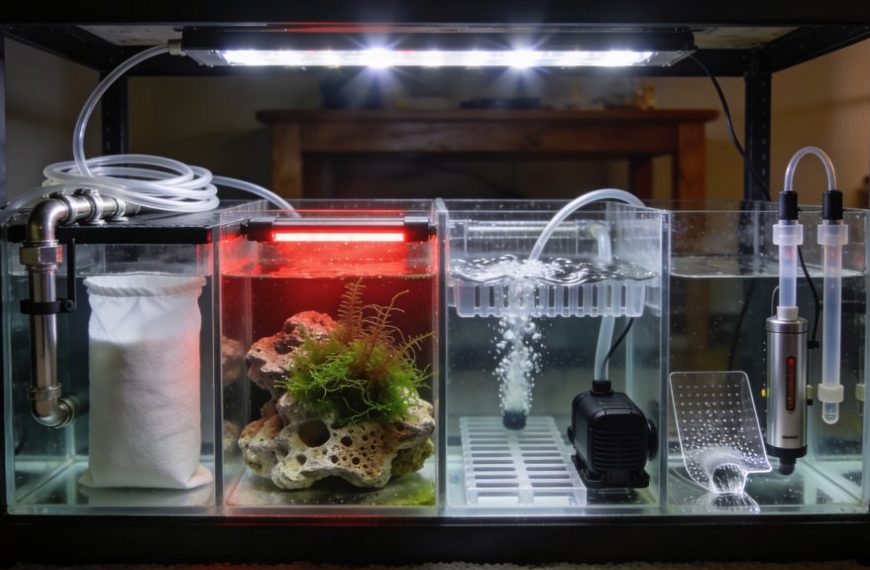
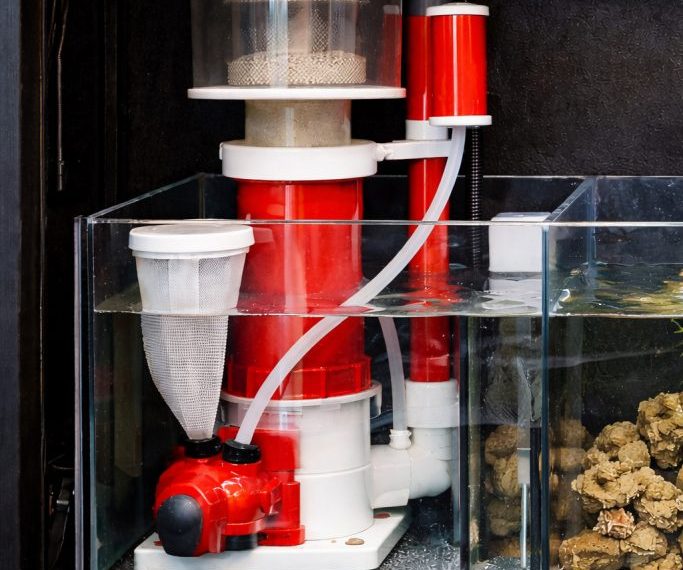
Good filtration is important. A simple hang-on-back filter can work. Add a protein skimmer for heavier bioloads. Provide moderate flow. Ocellaris handle gentle to medium currents well.
For more tank setup details, see our beginner saltwater tank setup guide.
Feeding, Tankmates, and Anemones
Ocellaris clownfish are easy to feed. Offer a varied diet for best color and health. Feed small amounts two to three times daily.
Good food options include:
- High-quality marine pellets
- Frozen mysis shrimp
- Frozen brine shrimp enriched with vitamins
- Occasional finely chopped seafood
Only feed what they eat in a couple minutes. Remove uneaten food. This keeps nutrients low and water clear.
Choose tankmates carefully. Ocellaris are generally peaceful. They can be territorial around their home area. Avoid aggressive damsels and large predatory fish.
Good tankmate choices include:
- Small peaceful gobies
- Blennies
- Firefish
- Reef-safe wrasses
- Cleaner shrimp and snails
Introduce clownfish early. Add more assertive fish later. This reduces bullying.
Ocellaris do not require an anemone to thrive. They often host alternative corals or decorations. They may adopt soft corals, large-polyp stony corals, or even a powerhead guard.
Tip: If you keep anemones, wait at least six months. Let the tank mature first.
Bubble tip anemones are common choices. They still need strong lighting and stable water. Research their needs carefully before buying.
For coral and anemone planning, check our easy beginner corals list.
Breeding and Long-Term Care Tips
Ocellaris clownfish can pair up and spawn in home aquariums. They usually choose a flat surface. They guard the eggs closely.
Breeding and raising fry is more advanced. It needs separate rearing tanks and special foods. If you are curious, read our clownfish breeding basics guide for a starting point.
For long-term success, focus on consistency. Keep a maintenance schedule. Clean filters regularly. Top off evaporated water with fresh RO/DI water, not saltwater.
Watch your clownfish daily. Look for clear eyes, full fins, and steady breathing. Early signs of stress include rapid breathing, clamped fins, and loss of appetite.
Address problems quickly. Test water first. Most issues start with unstable parameters. With steady care, your ocellaris clownfish will remain active, bold, and entertaining for years.
Sources
- Wilkerson, Joyce D. Clownfishes. Microcosm, 1998.
- Fenner, Robert M. The Conscientious Marine Aquarist. TFH Publications, 2001.
- Humane Society and public aquarium husbandry guidelines for marine fish care.
 By
By