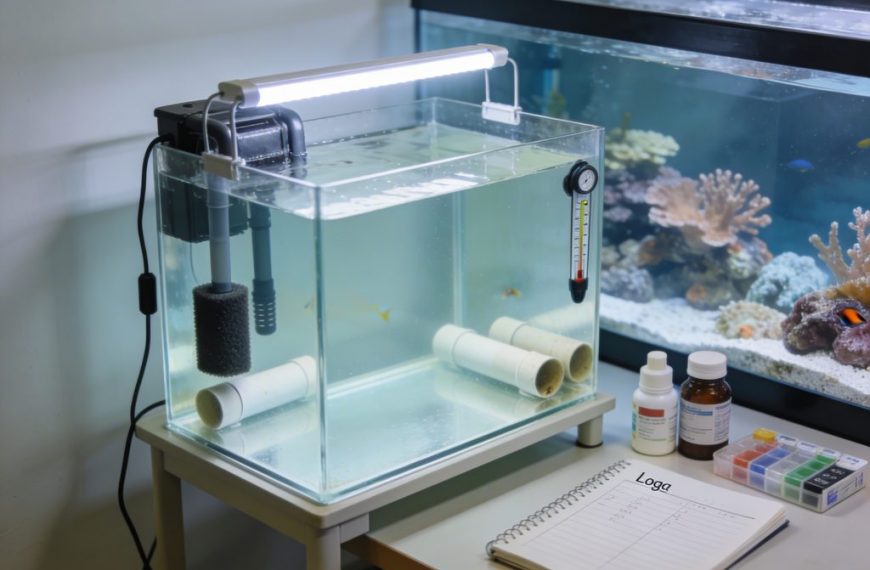
Reef pumps run nonstop. They move oxygen, heat, and nutrients through your system. Simple maintenance keeps flow strong and prevents sudden failures.
Why reef pumps lose flow over time
Most pumps slow down from calcium buildup and trapped debris. Coralline algae also grows on wet parts. The impeller magnet then drags and chatters. That noise is often your first warning.
Heat is another clue. A dirty pump draws more watts and runs hotter. You may see a 1–2°F rise in the sump area. You may also see microbubbles from cavitation. That happens when the intake is restricted.
Salt creep can cause trouble outside the pump. It wicks into unions and cords. It can also drip into controllers and power strips. Keep the area dry and organized. Use a drip loop on every cord.
Flow loss affects more than detritus. It can lower oxygen at night. It can also reduce skimmer performance. If your return pump slows, your overflow may gurgle. Check your reef tank water parameters after any pump change.
- Check return flow weekly by timing a fill. Use a 1-gallon jug.
- Listen for clicking, grinding, or rattling from the volute.
- Feel the pump body. It should be warm, not hot.
A safe cleaning routine you can repeat
Plan a cleaning every 4–8 weeks for most reef tanks. Heavy dosing can shorten that to 2–4 weeks. Turn off the pump and close valves first. Keep towels ready to catch siphon water.
Disassemble the wet end on a tray. Pull the impeller straight out. Remove the ceramic shaft if it is separate. Rinse parts in warm tap water. Brush the volute and impeller blades with a soft toothbrush.
Soak parts in vinegar and water. Use a 1:1 mix for light buildup. Use a 2:1 vinegar mix for heavy scale. Soak 20–40 minutes. Do not soak the motor block unless the manual allows it.
Rinse well and reassemble. Spin the impeller with your finger. It should turn freely. Prime the pump before restarting. Then confirm stable sump level and overflow tuning. If you run a skimmer, recheck the water height in the skimmer section.
- Take a photo before disassembly. It speeds reassembly.
- Replace worn O-rings yearly. Use silicone grease sparingly.
- Keep a spare impeller on hand for critical pumps.
Troubleshooting noise, heat, and random shutoffs
Rattling often means a worn shaft or swollen bushing. Replace those parts first. If the impeller magnet is cracked, replace the impeller. A cracked magnet can seize without warning. That can stop all circulation fast.
Humming with low flow points to a blocked intake. Check strainers and sponge prefilters. Clean the return line too. A snail shell can lodge in the volute. That is common in sumps with loose chaeto.
Random shutoffs are often electrical. Check for salt creep on plugs. Inspect the power supply for DC pumps. Make sure the controller has airflow. If a pump trips a GFCI, stop using it. Replace it or bench test it safely.
After any failure, watch livestock closely. Aim for stable temperature and oxygen. Add an airstone if needed. Keep surface agitation strong. Review your quarantine for reef fish plan for future emergencies. A backup air pump helps during outages.
- Return pump target turnover: 3–5x display volume per hour.
- Powerhead target: 20–40x for mixed reefs, higher for SPS.
- Keep spare tubing and a union. Fast swaps reduce downtime.
Reef pump maintenance is simple when it is scheduled. Clean parts before flow drops and heat rises. Your fish and corals will reward you with stability. For more reliability tips, review our sump setup guide and build in easy access.
Sources: Manufacturer manuals for common AC and DC aquarium pumps; Randy Holmes-Farley, reef aquarium chemistry articles on calcium carbonate deposition; general electrical safety guidance for GFCI use in wet areas.
 By
By