New reef livestock can look fine in the bag. It can still crash after a fast transfer. A slow, planned acclimation protects gills, slime coats, and beneficial microbes.
This guide covers fish, corals, and inverts. It uses simple steps and clear numbers. It also helps you avoid the most common mistakes.
Prep work before you open the bag
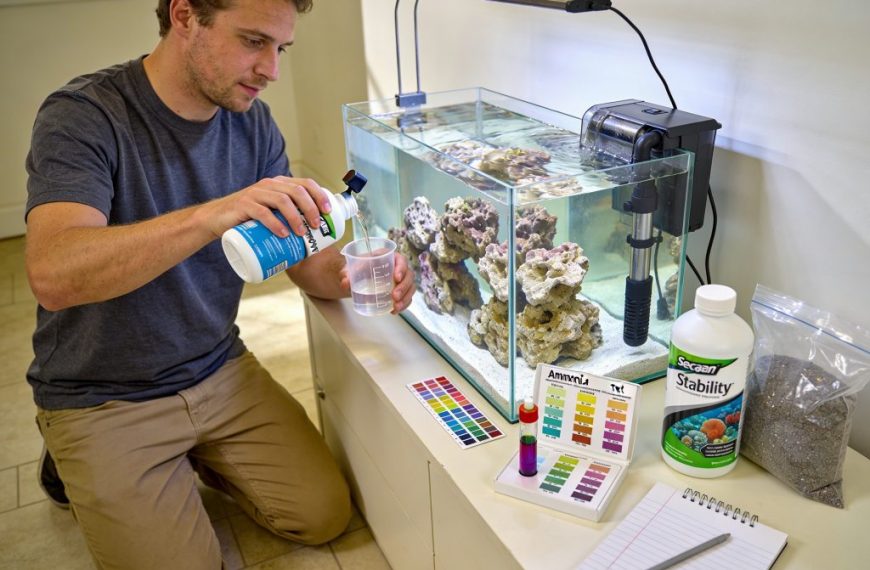
Start with stable display parameters. Aim for 1.025 specific gravity, 25–26°C, and pH 8.1–8.4. Keep alkalinity 8–9 dKH for mixed reefs. Keep ammonia and nitrite at 0 ppm.
Set up a quarantine tank when possible. A 10–20 gallon tank works for most arrivals. Use a heater, sponge filter, and a lid. Match salinity to the shipping water first.
Dim the lights before acclimation. Turn off white channels for 2–4 hours. Keep blues low for coral-only drops. This reduces stress and light shock.
Measure the bag water right away. Check salinity and temperature. Many shipments arrive at 1.018–1.022. That gap can shock invertebrates fast.
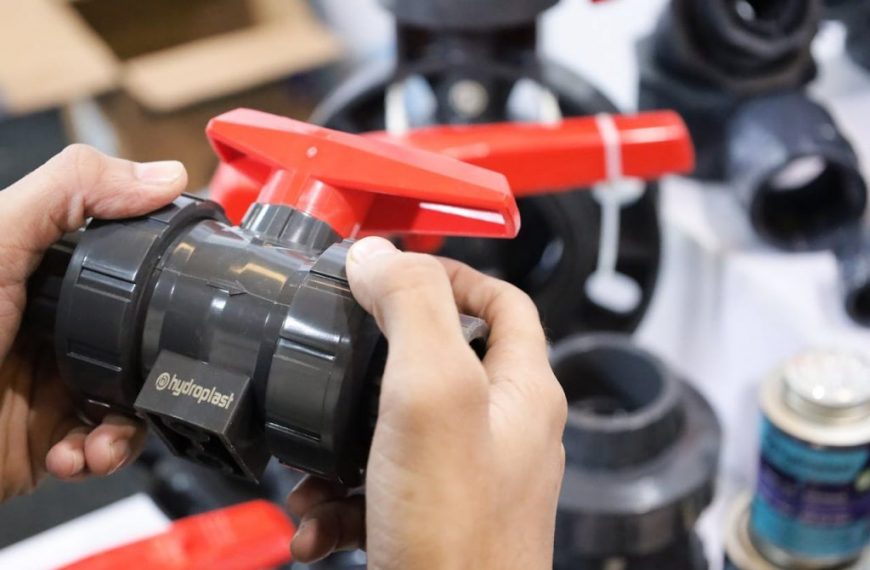
- Have a clean bucket, airline tubing, and a valve ready.
- Use a thermometer and refractometer, not a swing arm.
- Plan your next steps using your reef tank water parameters log.
Step-by-step acclimation for fish and inverts
Float the sealed bag for 10–15 minutes. This equalizes temperature. Then open the bag and pour water and livestock into a bucket. Keep the animal submerged at all times.
Use drip acclimation for most inverts. Start a siphon with airline tubing. Tie a loose knot or use a valve. Drip at 2–4 drops per second. Aim for 30–60 minutes total.
For fish, keep acclimation shorter. Many shipped fish sit in high CO2 water. pH rises after opening the bag. That can increase ammonia toxicity. Limit drip time to 15–30 minutes when ammonia is suspected.
Never add bag water to your tank. Net fish or use a specimen cup. For shrimp, crabs, and snails, use a cup and pour off water slowly. For sea stars, keep the drip slow and longer. Aim for 60–90 minutes.
- Match salinity within 0.001 for shrimp and snails.
- Match temperature within 1°C for all animals.
- Use your quarantine protocol for fish when possible.
Coral acclimation, dipping, and light ramping
Corals need temperature and salinity matching. They also need pest control. Float the bag for 10–15 minutes. Then place the coral in a container with bag water.
Dip corals in a separate container. Follow the product label for time and dosage. Many hobbyists dip for 5–10 minutes. Swish the coral gently to dislodge pests. Rinse in clean saltwater before placement.
Light shock is a top cause of coral decline. Start new corals low in the tank. Reduce intensity 20–40% for the first week. Increase 5–10% every 3–4 days. Watch for bleaching or tissue recession.
Flow matters as much as light. Give LPS gentle, indirect flow. Give SPS strong, random flow. If polyps stay closed for 24 hours, check alkalinity swings. Check for pests at night with a flashlight.
- Place new frags on a rack for 7–14 days when possible.
- Inspect for flatworms, nudibranchs, and vermetid snails.
- Use a coral dip guide and keep notes on reactions.
Troubleshooting and common mistakes
Fast losses often come from salinity jumps. This is common with snails and shrimp. If your tank is 1.026 and the bag is 1.020, drip longer. Target a 0.001 change every 10–15 minutes.
Fish gasping after release can mean low oxygen or gill burn. Add surface agitation and point a powerhead up. Check ammonia and pH. Run carbon if you used chemicals nearby. Keep lights low for the first day.
Corals that brown out often face low light or high nutrients. Corals that bleach often face too much light. Test nitrate at 5–15 ppm and phosphate at 0.03–0.10 ppm. Stability matters more than chasing zeros.
A real-world example helps. You buy a cleaner shrimp shipped at 1.019. Your reef is 1.025. Drip for 60 minutes and discard half the water once. Then drip another 30 minutes. The shrimp usually molts within days.
Sources: Reef2Reef community acclimation threads; Borneman, E. (2001) Aquarium Corals; Delbeek & Sprung (1994–2005) The Reef Aquarium series; Fenner, R. (2001) The Conscientious Marine Aquarist.
Slow acclimation prevents most losses. Use the right method for the animal. Measure, match, and move with care. Your reef will reward patience with better survival and faster growth.
 By
By