Flow and circulation are the heartbeat of a healthy reef tank. Strong, varied water movement keeps oxygen levels high, delivers food to corals, and prevents detritus from settling in dead spots. If your corals look dull, algae is creeping in, or you see debris piling up, it’s time to take a closer look at how water moves through your aquarium.
Why Flow Matters in a Reef Tank
In nature, coral reefs are constantly swept by waves and currents. Re-creating that dynamic environment in your aquarium supports coral health, fish behavior, and overall stability.
- Gas exchange: Surface agitation promotes oxygen in and carbon dioxide out, stabilizing pH.
- Nutrient delivery: Corals rely on flow to bring them food and trace elements while carrying away waste.
- Detritus suspension: Good circulation keeps particles in the water column so your mechanical filtration can remove them.
- Temperature consistency: Flow helps distribute heat from your heater or chiller evenly throughout the tank.
As a rule of thumb, reef tanks do well with 20–40x display volume in total flow per hour, but the pattern of flow often matters more than the exact number. SPS-dominated systems may benefit from even higher turnover, while soft coral and LPS tanks typically prefer moderate, indirect flow.
Types of Flow and How to Use Them
Different tools create different styles of flow. Combining them strategically is key to a stable, thriving reef.
Powerheads and Wave Makers
Modern wave makers can create pulsing, random, and gyre-style flow. Aim them across the length or width of the tank rather than directly at corals.
- Point pumps slightly toward the surface for better gas exchange.
- Use alternating or random modes to avoid a constant, laminar blast on any single colony.
- Angle pumps so streams intersect; this creates chaotic, reef-like turbulence.
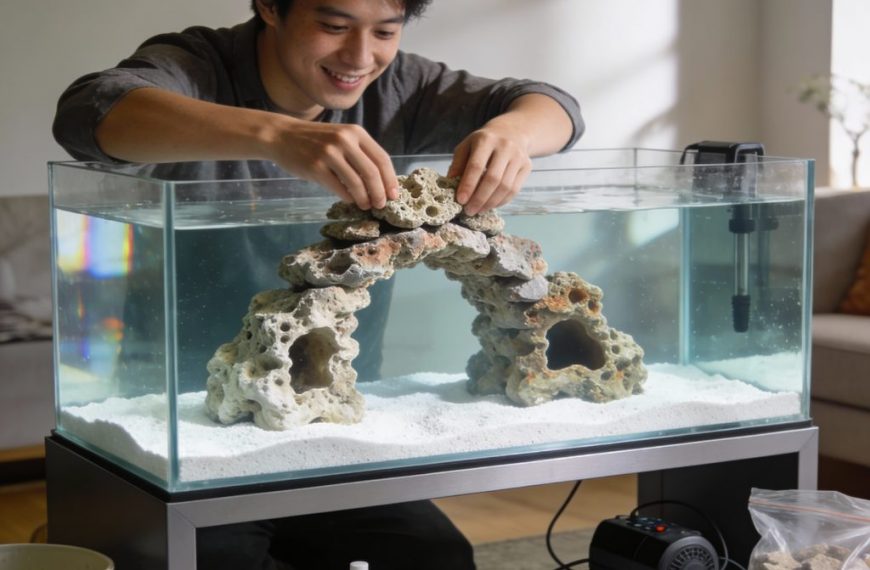
For more on setting up basic hardware, check out our guide to beginner reef tank setup, where we cover pump placement alongside lighting and filtration.
Return Pump and Manifold Flow
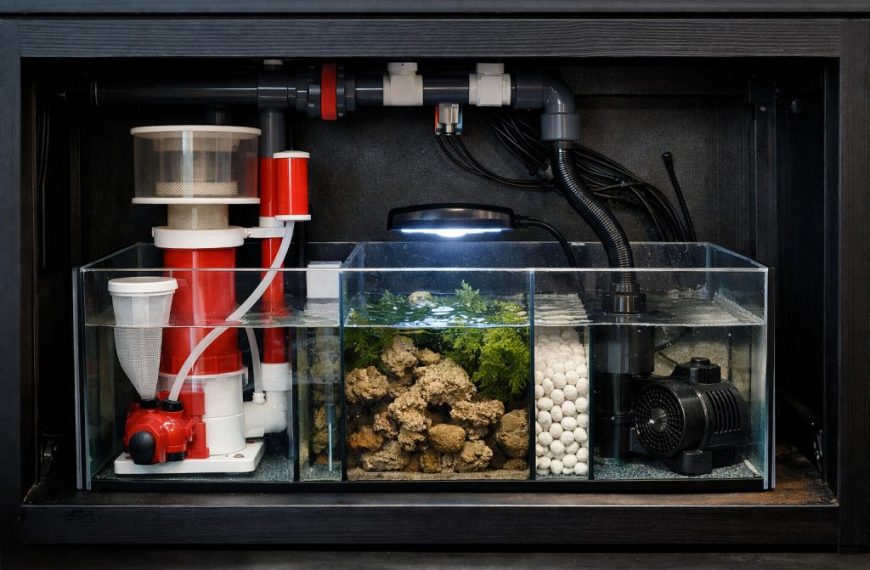
Your return pump provides additional circulation as water comes back from the sump. While it usually doesn’t count as the primary source of in-tank flow, it does help:
- Turn over water through the sump for filtration and heating.
- Break the surface for oxygenation.
- Supplement directional flow behind rockwork and along the back glass.
Keep your return lines clean and periodically inspect them when you perform regular reef tank maintenance so flow isn’t restricted by salt creep or algae buildup.
Dialing In Flow for Different Corals
Not all corals want the same intensity of water movement. Matching flow to your livestock will reduce stress and improve growth.
- Soft corals (zoanthids, leathers, mushrooms): Prefer gentle to moderate, indirect flow that makes them sway but not fold over.
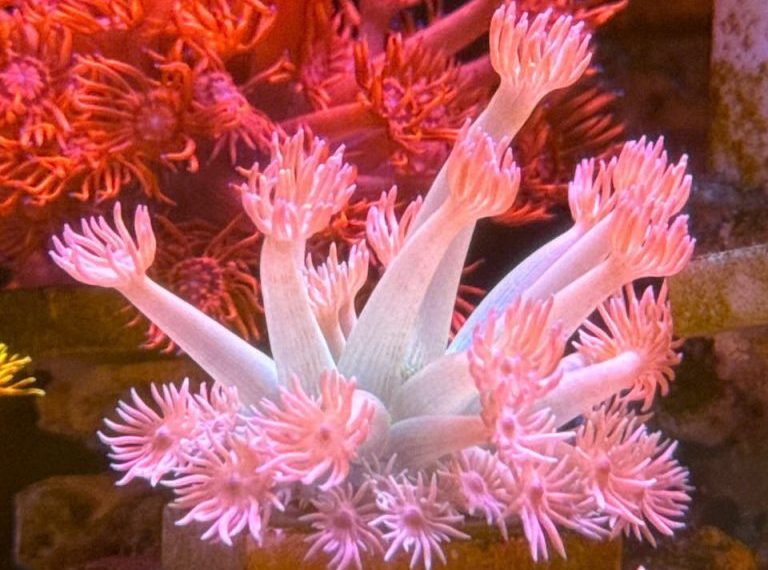
- LPS corals (hammers, torches, brains): Enjoy moderate, indirect flow. Their fleshy tissue should move gently without being blasted or receding.
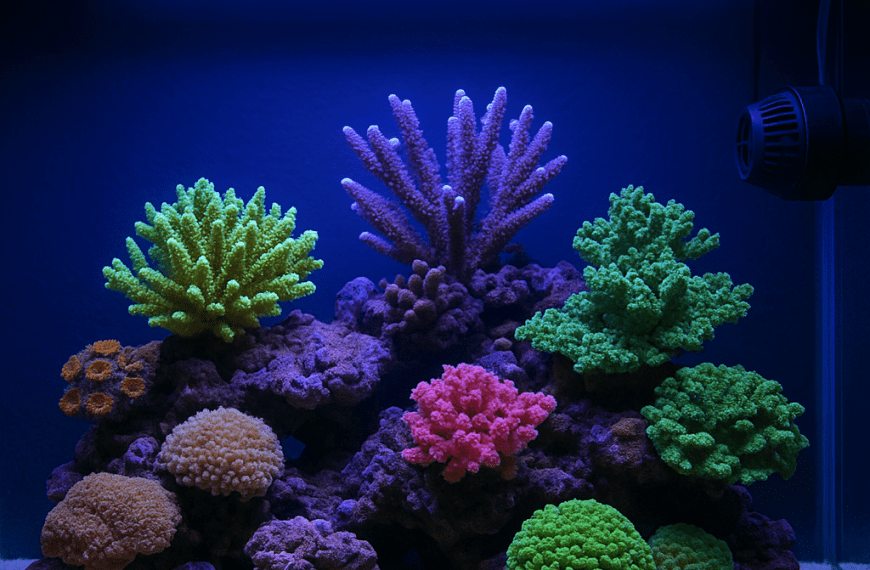
- SPS corals (Acropora, Montipora): Thrive in strong, random flow that changes direction throughout the day.
Tip: Watch your corals. Tissue pulling away from skeletons, polyps staying tightly closed, or sand constantly blowing off the bottom are signs your flow is too strong or too direct.
When you rearrange rockwork or add new corals, revisit pump placement. Small adjustments in angle or intensity can eliminate dead spots and improve coral extension. If nuisance algae appears in specific areas, try increasing flow there before reaching for chemical solutions. Our article on controlling nuisance algae in reef tanks goes deeper into this strategy.
By understanding how water moves through your reef tank and making thoughtful tweaks over time, you’ll create a stable, high-oxygen environment where corals open fully, fish behave naturally, and detritus never gets a chance to settle. Flow and circulation aren’t just equipment specs—they’re fundamental to building a vibrant, long-lived reef system.
Sources
- Borneman, E. H. (2001). Aquarium Corals: Selection, Husbandry, and Natural History. TFH Publications.
- Sprung, J. (2005). Corals: A Quick Reference Guide. Ricordea Publishing.
- Delbeek, J. C., & Sprung, J. (1994–2005). The Reef Aquarium Vol. 1–3. Ricordea Publishing.
- Shimek, R. (2001). Sand Bed Secrets. Inland Reef Aquaria.
 By
By