A reef tank sump adds water volume and hides equipment. It also makes daily maintenance easier. With a simple layout, you can boost stability and reduce clutter.
What a sump does and why it matters
A sump is a separate tank under your display. Water drains down, then returns by pump. This creates a controlled place for filtration and heaters.
Extra water volume is the biggest win. A 20-gallon sump on a 75-gallon reef adds about 15 gallons of real volume. That buffer slows swings in salinity and temperature.
A sump also improves gas exchange. Water falling through the overflow adds oxygen. A skimmer in the sump removes waste before it breaks down.
Plan for power outages from day one. Your sump must hold drain-down water. Test it by shutting off the return pump for five minutes.
- Target sump volume: 20–40% of display tank volume
- Leave 20–30% empty space for drain-down capacity
- Keep return section large enough for 1–2 days of evaporation
If you want a quick start, review our reef tank maintenance checklist. It helps you set routines that fit sump systems.
Core sump layout: chambers, flow, and equipment
Most reef sumps use three zones. The first is the drain and mechanical section. The middle is skimmer or refugium space. The last is the return pump section.
Use filter socks or a roller mat at the drain. Change socks every 2–3 days. Dirty socks raise nitrate and phosphate fast.
Place the skimmer in stable water depth. Many skimmers like 7–9 inches of water. Use a stand if your sump runs deeper.
Set return flow for 3–5x display volume per hour. A 75-gallon reef often runs 225–375 GPH after head loss. Too much flow adds noise and microbubbles.
- Drain section: add a bubble trap with three baffles, spaced 1 inch apart
- Skimmer section: keep water depth stable with fixed baffles
- Return section: place ATO sensor here for accurate top-off control
Want to tune nutrient export? Pair the sump with a refugium. See our refugium lighting guide for spectrum and schedule tips.
Plumbing basics, safety checks, and common mistakes
Choose a quiet overflow and match it to your drain style. A Herbie uses two drains and runs very quiet. A BeanAnimal uses three drains and adds extra safety.
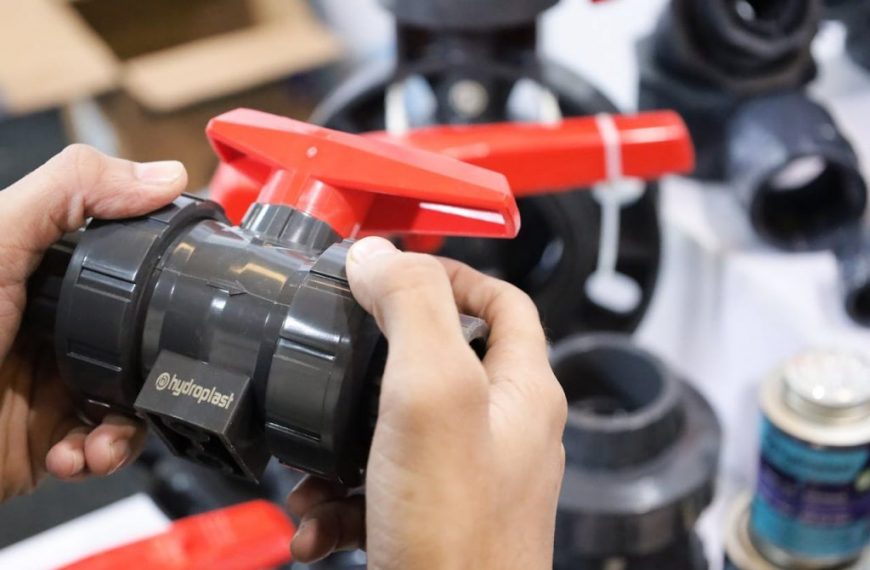
Use a gate valve on the main siphon drain. Avoid ball valves for fine tuning. Adjust slowly and wait 30–60 seconds between changes.
Add unions near the return pump and valves. This makes cleaning easy. Plan to soak the pump in citric acid every 3–4 months.
Prevent back-siphon during shutdowns. Keep return nozzles close to the surface. Drill a 1/8-inch siphon break hole just below the waterline.
- Noise issue: lower drain splash with a submerged drain outlet
- Microbubbles: reduce skimmer overflow and slow sump flow
- ATO swings: increase return section volume or lower evaporation with a lid
Track your key parameters after sump changes. Keep salinity at 1.025–1.026. Hold temperature at 77–79°F. Aim alkalinity at 8–9 dKH for many mixed reefs.
For more stability tips, read our reef tank water parameters overview. It helps you spot trends before corals react.
Sources: Reef Aquarium, Volume Three by Delbeek and Sprung; The Reef Aquarium, Volumes 1–3 by Borneman; manufacturer manuals for common reef protein skimmers and return pumps.
 By
By