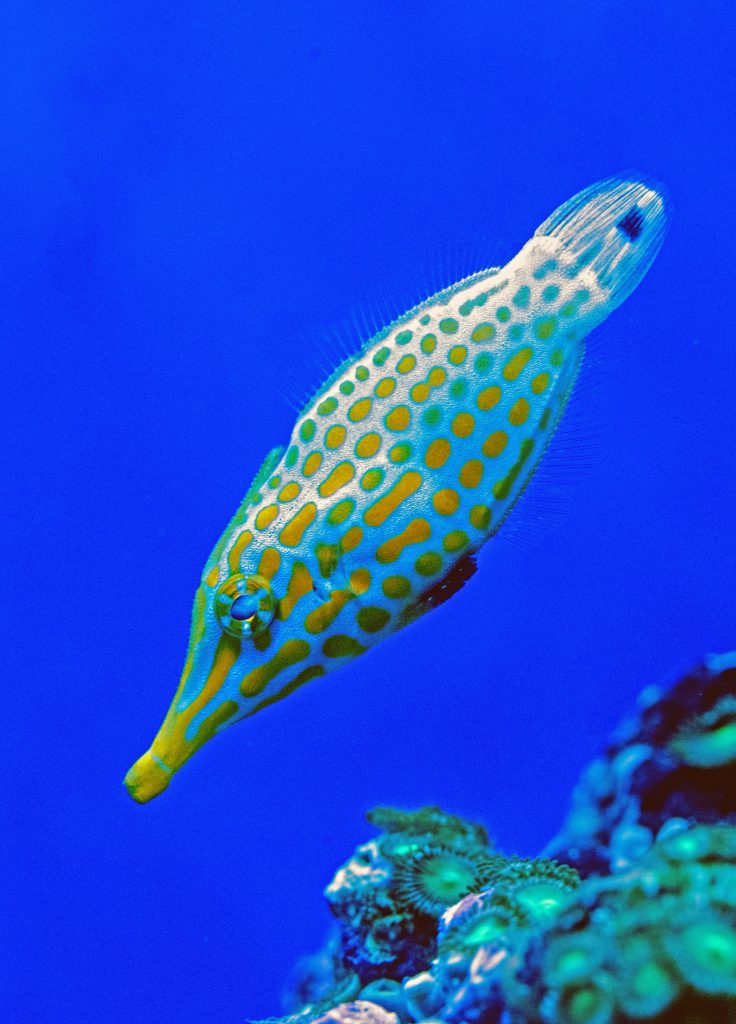
Bringing home a new fish is exciting. It is also when most losses happen. Good acclimation reduces shock and prevents disease from entering your reef.
Prep the tank before the fish arrives
Start with stable water. Match salinity at 1.025 specific gravity for most reefs. Keep temperature at 77–79°F. Aim for pH 8.1–8.4 and ammonia at 0 ppm.
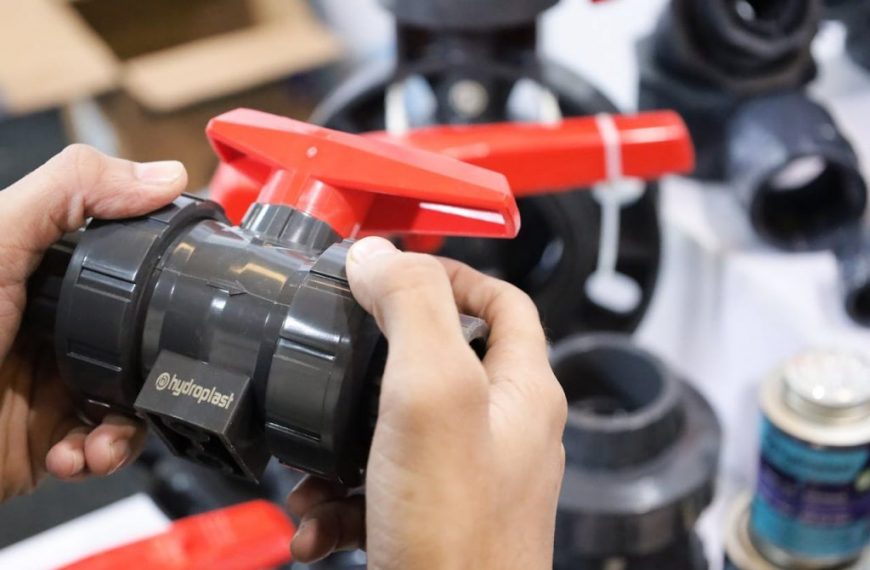
Set up a quarantine tank if you can. A 10–20 gallon tank works for small fish. Use a heater, sponge filter, and PVC elbows. Keep the bottom bare for easy cleaning.
Test and log your parameters the day before pickup. Sudden swings cause heavy breathing and hiding. If your salinity is low, raise it slowly. Increase by 0.001 per day.
Plan your lighting and flow. Dim lights reduce stress during release. Turn off strong wavemakers for 30 minutes. This prevents the new fish from getting pinned.
- Mix extra saltwater in advance for emergencies and drip acclimation.
- Have an ammonia badge ready for the quarantine tank.
- Read your quarantine tank setup guide before buying fish.
Step-by-step acclimation that avoids common mistakes
Float the sealed bag for 15 minutes to match temperature. Keep the room lights low. Do not open the bag yet. This limits oxygen loss during the first step.
Next, open the bag and test salinity with a refractometer. Many stores run 1.018–1.022. Large salinity gaps need a slower process. Aim for a 30–60 minute drip for most fish.
Use a clean bucket or specimen container. Start a siphon from your tank with airline tubing. Tie a loose knot to control flow. Target 2–4 drops per second for small fish.
Never pour bag water into your tank. It can carry copper, ammonia, and pathogens. Net the fish or use a cup to transfer it. Then discard the shipping water safely.
- If the bag smells sharp, shorten acclimation and add an ammonia detoxifier in the bucket.
- For delicate species, use a covered container to prevent jumping.
- Review reef tank water parameters if your readings are unstable.
First 48 hours: feeding, observation, and troubleshooting
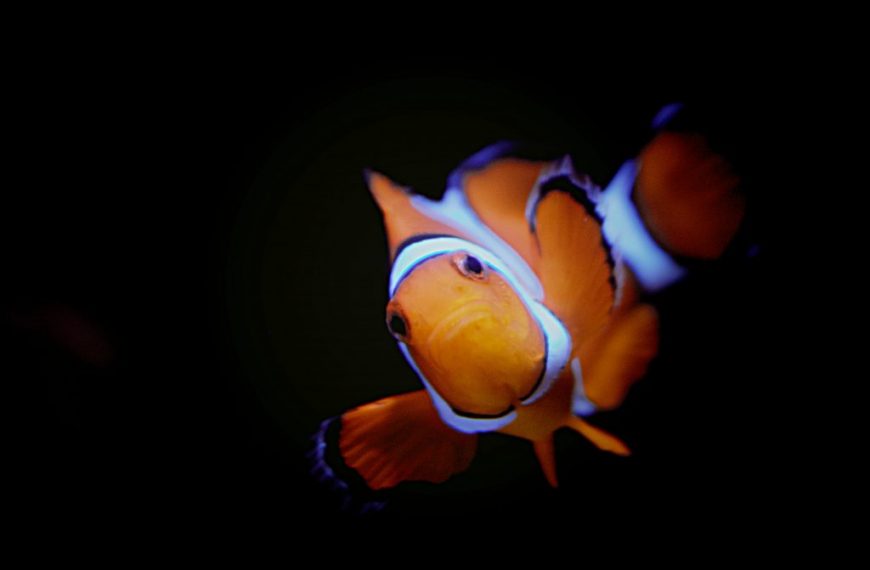
Keep lights dim for the first day. Offer a small meal after a few hours. Use foods the fish already knows. For example, offer frozen mysis for wrasses and pellets for clowns.
Watch breathing rate and posture. Rapid gilling can mean low oxygen or ammonia. Add an air stone if needed. Check ammonia twice daily in quarantine, especially after feeding.
Look for flashing, spots, or frayed fins. These can signal ich, velvet, or bacterial damage. Quarantine lets you treat early without risking the display. If you skipped quarantine, observe closely and avoid adding more fish.
Use a calm release plan in the display tank. Rearrange one rock if aggression is likely. Feed the tank before introduction. This distracts established fish and reduces chasing.
- Skip heavy feeding on day one to limit ammonia spikes.
- Keep a tight lid, since new fish often jump at night.
- Learn signs in our ich vs velvet breakdown for faster response.
Good acclimation is mostly about control and patience. Match temperature, manage salinity changes, and keep stress low. When you pair that with quarantine and close observation, new fish settle faster and stay healthier.
Sources: HumbleFish disease and quarantine articles; Fenner, R. “The Conscientious Marine Aquarist”; Noga, E. “Fish Disease: Diagnosis and Treatment.”
 By
By