Tangs and Surgeonfish: Active Grazers for Your Reef
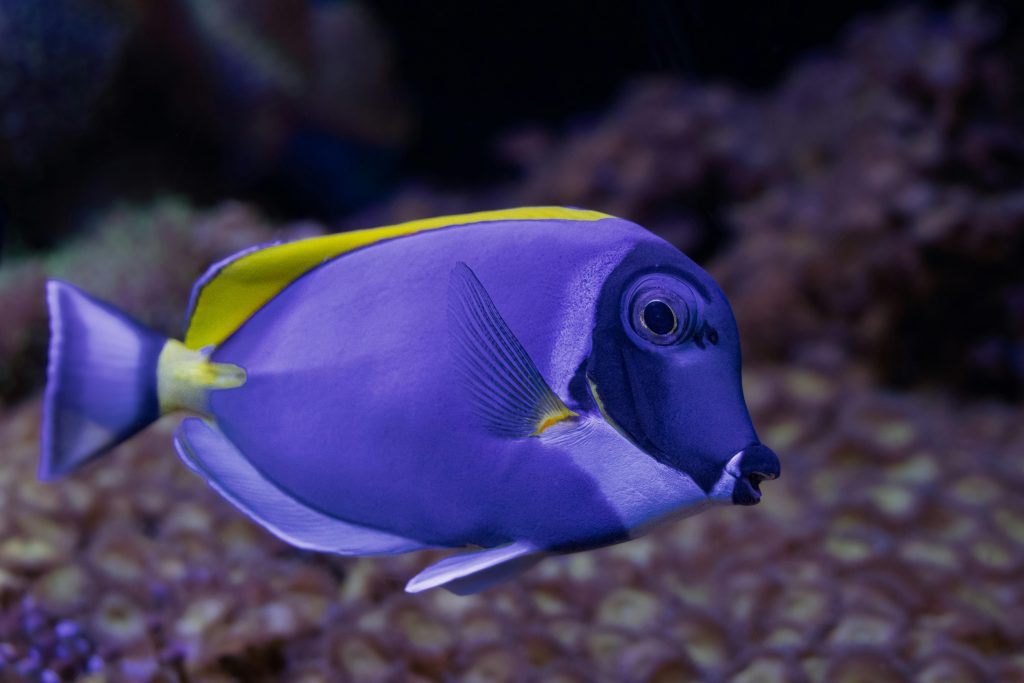
Tangs, also called surgeonfish, are iconic reef fish. They add color and constant movement. They also help control algae. However, they need space, stable water, and careful tank mates.
Most common tangs grow large. Many reach 7–10 inches as adults. Plan for their adult size, not the tiny juvenile in the store.
For a deeper overview of beginner-friendly fish, see our guide on beginner saltwater fish. It can help you plan stocking before buying a tang.
Tank Size and Aquascape
Tangs are nonstop swimmers. They cruise the full length of the tank all day. A cramped tank causes stress and aggression.
- Small tang species: minimum 75 gallons.
- Medium tang species: 90–120 gallons.
- Large tang species: 125 gallons or more.
Length matters more than height. Aim for at least four feet of swimming length. Six feet is better for larger species.
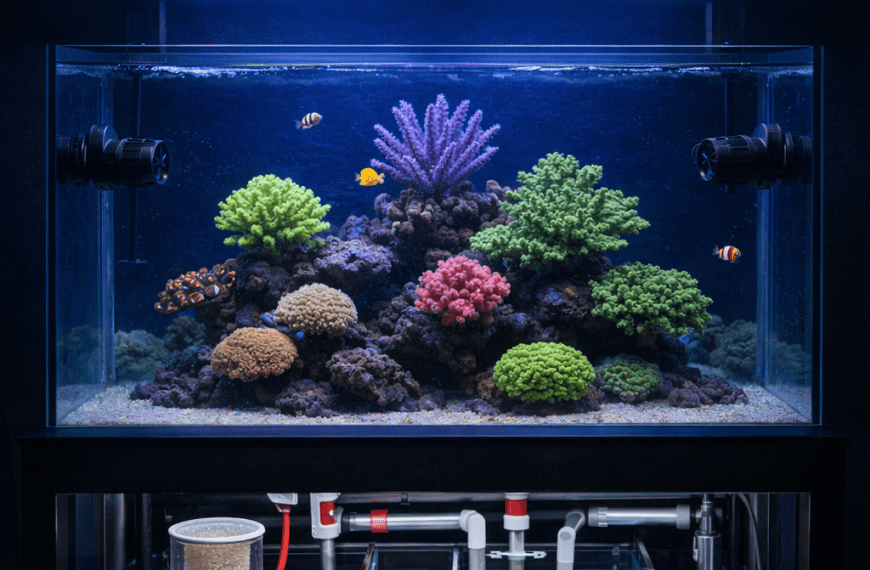
Design open rockwork. Create arches and channels for swimming lanes. Leave a long, clear front area for laps. Avoid solid rock walls that block flow and movement.
Diet and Daily Care
Tangs are herbivores first. They graze on film algae and seaweed all day. Meaty foods are only a supplement.
- Offer dried nori on a clip at least once daily.
- Rotate green, red, and brown seaweed sheets.
- Use pellets or flakes formulated for herbivores.
- Add occasional frozen foods like mysis or brine shrimp.
Feed small amounts several times a day if possible. A well-fed tang is calmer and more resistant to disease.
For more feeding ideas, check our article on feeding saltwater fish. It covers schedules and food types in detail.
Compatibility and Aggression
Tangs can be territorial, especially with similar body shapes. They defend grazing areas fiercely.
- Avoid keeping two tangs from the same genus in small tanks.
- Introduce tangs last, after peaceful fish settle in.
- Use an acclimation box for new tangs when possible.
- Provide multiple caves and hiding spots to break line of sight.
Watch for tail-slapping and chasing. These are early signs of serious aggression. Rearranging rockwork can sometimes reset territories.
Health, Ich, and Stress
Tangs are prone to marine ich and other parasites. Stress weakens their immune system quickly.
- Quarantine new tangs for at least 2–4 weeks.
- Keep temperature and salinity stable.
- Maintain strong surface agitation and good oxygen levels.
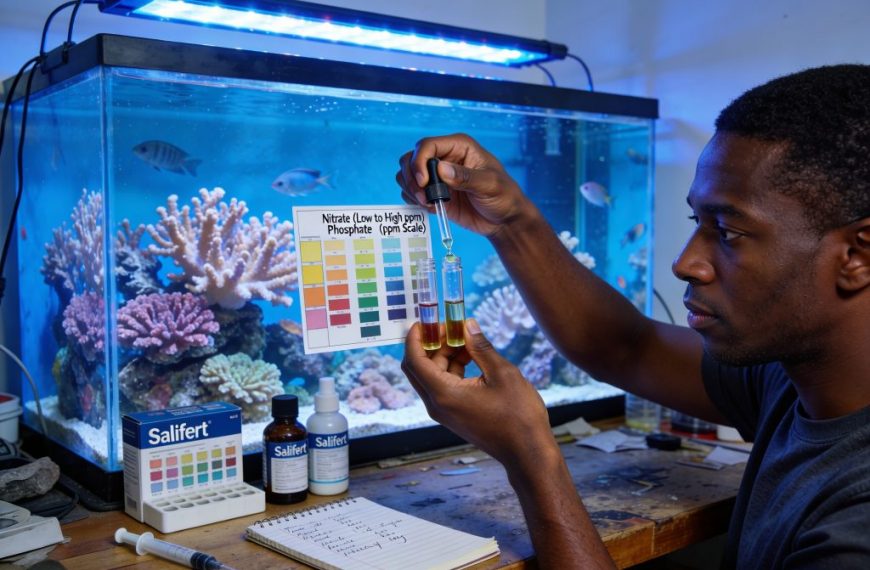
- Test nitrate and phosphate regularly and keep them in reasonable ranges.
Healthy tangs graze constantly, show bright colors, and breathe steadily. A hiding, pale tang is a warning sign.
If you are planning a full reef community, read our reef tank stocking guide. It will help you decide where tangs fit in your overall plan.
With enough space, proper diet, and good tank mates, tangs thrive. They reward you with natural algae control and beautiful movement for many years.

 By
By