Anemones can be stunning centerpieces in reef tanks. They also demand stable conditions and careful planning. This guide covers practical anemone care that works in real aquariums.
Choose the right anemone and tank setup
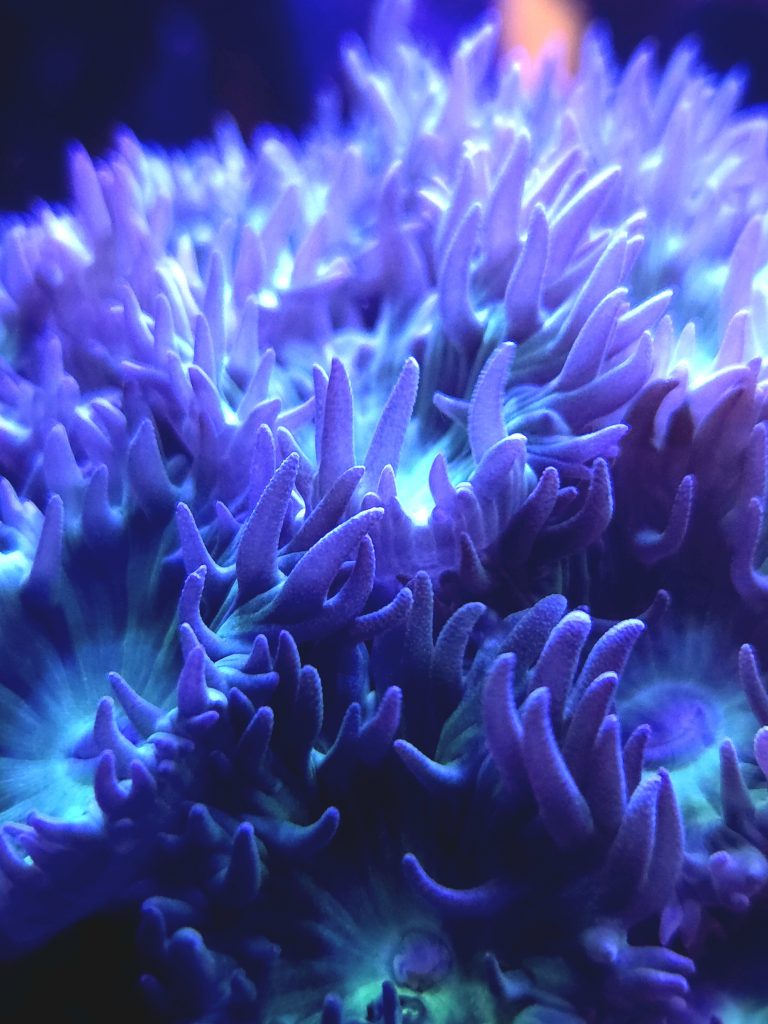
Start with a hardy species and a mature tank. Bubble tip anemones often adapt well. Many carpet and long tentacle anemones need more space and light. Plan for adult size and feeding needs.
Use a tank that has been stable for 6 months or more. Aim for at least 40 gallons for a bubble tip. Use 75 gallons or more for larger species. Anemones dislike rapid swings and new-tank instability.
Provide strong but indirect flow. You want tentacles to sway, not whip. Keep intakes covered with foam or guards. A wandering anemone can get shredded by a pump.
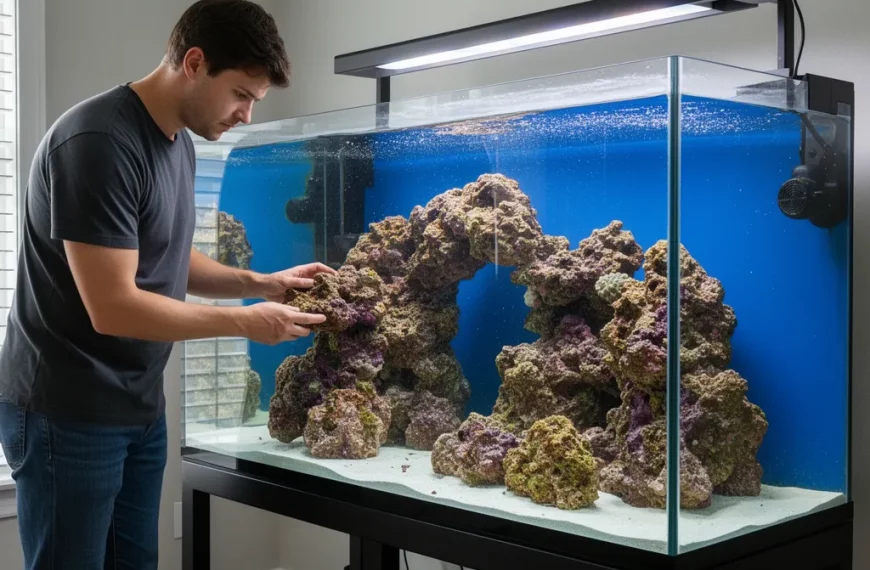
Build a safe “home” with rock structure. Create a crevice for the foot to attach. Keep sandbeds clear of sharp rubble. Use epoxy only after curing and rinsing.
- Pick captive-propagated bubble tips when possible.
- Wait for stable nutrients before adding an anemone.
- Guard every powerhead and overflow intake.
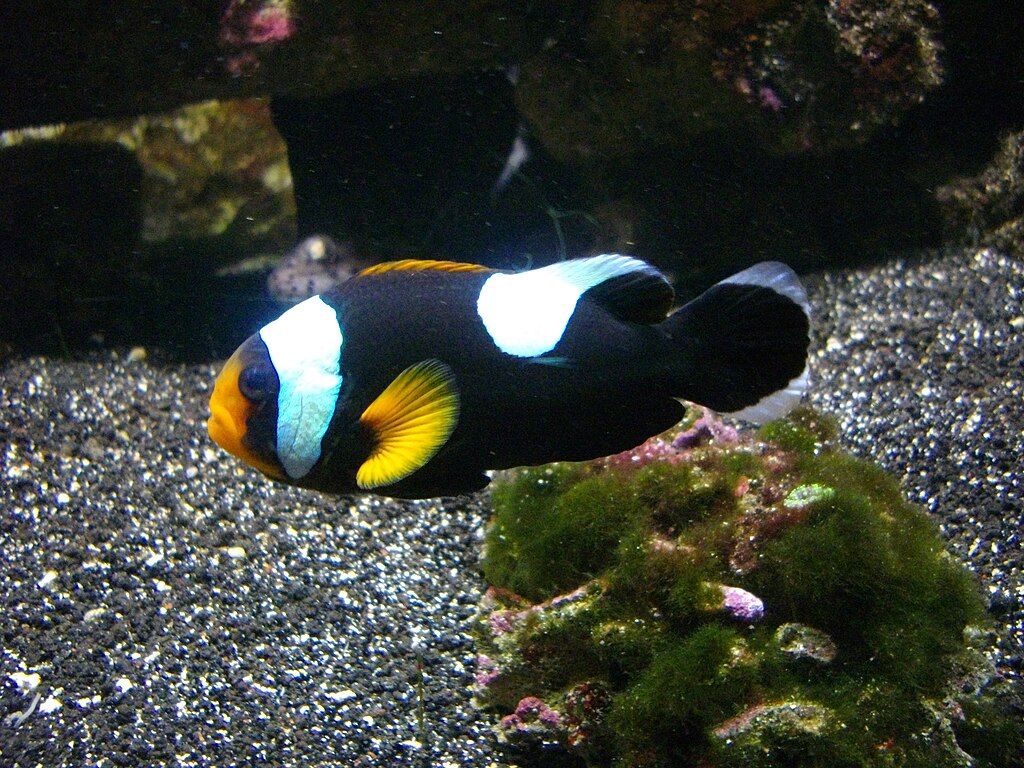
For foundational reef planning, review reef tank setup basics. If you keep clowns, see clownfish care guide for pairing tips.
Water parameters, lighting, and feeding routines
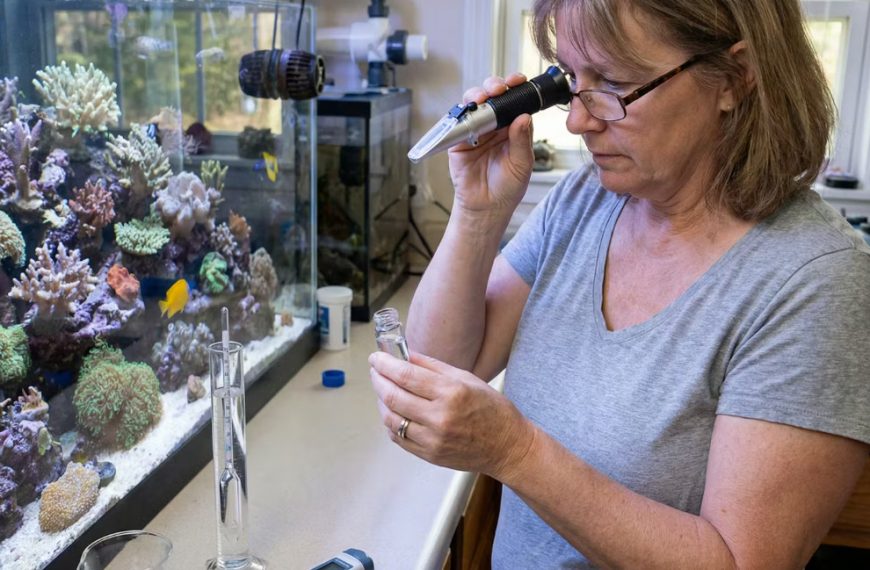
Keep parameters steady and test often. Target salinity 1.025–1.026 specific gravity. Maintain temperature at 25–26°C (77–79°F). Keep pH 8.1–8.4 with good gas exchange.
Stability matters more than chasing numbers. Keep alkalinity 8–9 dKH and calcium 400–450 ppm. Maintain magnesium 1250–1400 ppm. Nitrate of 2–15 ppm often works well. Keep phosphate around 0.03–0.10 ppm.
Lighting must match the species and depth. Many bubble tips do well at 150–250 PAR. Start lower and ramp up over 2–3 weeks. Use a consistent photoperiod of 9–10 hours.
Feed to support growth and color. Offer meaty foods 1–2 times per week. Use small pieces of mysis, krill, or chopped shrimp. Each piece should be smaller than the mouth. Overfeeding can cause regurgitation and fouled water.
- Mix new saltwater to match salinity within 0.001.
- Acclimate light intensity slowly to prevent bleaching.
- Feed small portions and remove leftovers after 10 minutes.
If you need a testing routine, follow reef water parameters for a weekly checklist.
Troubleshooting common anemone problems
Wandering is common after introduction. It can also signal poor flow or lighting. Check salinity, temperature, and alkalinity first. Then adjust flow direction and reduce sudden light changes.
Bleaching looks like a pale body and reduced color. It often follows shipping stress or too much light. Lower PAR by 20–30% and shorten the photoperiod. Feed lightly to help recovery. Avoid large swings in nutrients.
A gaping mouth and limp tentacles suggest serious stress. Test ammonia and nitrite at once. Both should be 0 ppm. Run fresh carbon and increase aeration. Do a 15–25% water change if needed.
Watch for chemical warfare in mixed reefs. Keep 6–10 inches from stinging corals. Use carbon and regular water changes. If a clownfish is too rough, consider a temporary mesh box. This gives the anemone time to settle.
- Stop moving the anemone by hand unless it is in danger.
- Do not dose “quick fixes” for pH or alkalinity swings.
- Quarantine new fish to reduce disease stress in the display.
Sources: Borneman, E. (2001) Aquarium Corals; Delbeek & Sprung (1994–2005) The Reef Aquarium series; Fenner, R. (2003) The Conscientious Marine Aquarist.
Anemone care is about stability, protection, and patience. Choose the right species and match its needs. With steady parameters and safe flow, your anemone can thrive for years.
 By
By