
Choosing the right saltwater tank size shapes everything that follows. It affects stability, livestock choices, maintenance, cost, and your long-term success. Most beginners do best with a tank between 40 and 75 gallons. That range gives better water stability than nano tanks without the expense of very large systems.
Many new reef keepers focus on fish or corals first. Tank size should come first instead. A small mistake in a 10-gallon system can become a major problem in hours. The same mistake in a 60-gallon tank often gives you time to respond. In this guide, you will learn how tank size changes water chemistry, equipment needs, stocking options, and maintenance routines. You will also see which tank sizes fit common goals, budgets, and living spaces.
Quick Reference Tank Size Table
| Tank Size | Best For | Difficulty | Main Pros | Main Drawbacks |
|---|---|---|---|---|
| 10–20 gallons | Desktop tanks, small coral gardens, experienced nano keepers | High | Low space use, lower startup cost | Unstable parameters, limited livestock |
| 20–40 gallons | Beginners with limited space | Moderate | Manageable size, decent stocking options | Still swings faster than larger tanks |
| 40–75 gallons | Best all-around beginner reef tanks | Moderate | Better stability, more fish choices, easier aquascaping | Higher equipment cost |
| 75–120 gallons | Intermediate hobbyists, mixed reefs, larger fish plans | Moderate | Excellent stability, more aquascape freedom | More salt, power, and maintenance |
| 120+ gallons | Advanced reef keepers, tangs, show tanks | Moderate to high | Maximum stability and stocking flexibility | High cost and space demands |
Why Tank Size Matters So Much
Tank size affects more than swimming room. It directly changes how your system handles waste, evaporation, and dosing errors. Larger tanks dilute nutrients better. They also resist sudden shifts in salinity, alkalinity, and temperature. That buffer helps beginners avoid common crashes.
Smaller tanks look simple on paper. In reality, they demand close attention. A missed top-off can raise salinity quickly. A little extra food can push nitrate and phosphate higher. A heater failure can swing temperature fast. This is why nano tanks are not always beginner tanks.
Bigger systems offer more room for rockwork and coral placement. They also let fish establish territories with less stress. However, bigger tanks cost more to fill, light, and maintain. The right choice balances stability with budget, floor space, and your time.
Best Saltwater Tank Sizes for Beginners
For most new hobbyists, 40 to 75 gallons is the sweet spot. This size range gives enough water volume for stability. It also leaves room for a sump, skimmer, and practical aquascaping. You can keep a wider range of fish and beginner corals without feeling cramped.
A 20-gallon tank can work well too. It suits apartments and smaller rooms. Just know it requires tighter maintenance. You need to watch evaporation, feeding, and stocking more carefully. A 10-gallon reef can be beautiful, but it is less forgiving.
If your goal is a mixed reef, a 50-gallon breeder or 60-gallon cube can be excellent. If you want active fish and more coral growth room, a 75-gallon tank is often the best value. It gives enough front-to-back depth for rockwork and strong flow patterns.
How to Choose the Right Tank Size
Start with your livestock plan. Fish needs should guide your minimum size. Clownfish and gobies fit small systems. Tangs, rabbitfish, and larger wrasses need far more space. Corals also matter. SPS systems often benefit from larger tanks because stability is critical.
Next, look at your room and floor strength. Saltwater tanks are heavy. A filled 75-gallon setup can weigh well over 800 pounds. Include the stand, rock, sand, sump, and equipment. Measure doors, wall space, and maintenance access before buying.
Then consider your budget. A larger tank costs more than the glass box alone. Lighting, return pumps, powerheads, heaters, and salt all scale up. Finally, think about your routine. If you want a low-stress start, choose the biggest tank you can comfortably maintain.
Step-by-Step: Picking a Tank Size That Fits
Step 1: List the fish you want most. Check their adult size and swimming needs.
Step 2: Decide if you want fish-only, soft coral, LPS, or SPS. Reef goals affect equipment and stability needs.
Step 3: Measure your available space. Leave room around the tank for cords, plumbing, and cleaning.
Step 4: Set a full-system budget. Include tank, stand, rock, sand, salt, test kits, and quarantine costs.
Step 5: Choose the largest practical size within your budget and space. Bigger is usually easier to keep stable.
Step 6: Match equipment to that volume. Undersized filtration causes frustration later.
Step 7: Stock slowly. Even a large tank needs time to mature biologically.
Nano Tanks: 10 to 20 Gallons
Nano saltwater tanks are popular for their compact footprint. They can look stunning on a desk or small cabinet. They also cost less to start. That said, they demand precision. Salinity can rise quickly from evaporation. Nutrients can spike after a single heavy feeding.
Livestock must stay small and peaceful. Think clownfish pairs, gobies, small blennies, sexy shrimp, and easy corals. Avoid overstocking. Space disappears fast in a nano reef. Corals also compete more aggressively when packed close together.
If you choose a nano setup, use an auto top-off system if possible. Test parameters often. Keep your hands out of the tank unless needed. Stability wins in small systems. For many beginners, a nano works best as a second tank, not a first one.
Mid-Size Tanks: 20 to 40 Gallons
This range offers a strong balance between space and simplicity. A 20-gallon long, 25-gallon lagoon, or 40-gallon breeder can make excellent starter reefs. You get more water volume than a nano. You also get better aquascaping options and more stable chemistry.
These tanks fit many homes well. Equipment is still affordable compared with larger systems. Water changes are also easier to mix and carry. You can keep clownfish, gobies, firefish, royal grammas, and many beginner coral species comfortably.
The main limit is fish selection. Active swimmers and larger species are still off the table. You must also plan coral growth carefully. A tank that looks open on day one can feel crowded after a year. Mid-size tanks are a smart choice if you want a manageable reef with room to learn.
Large Tanks: 40 to 120+ Gallons
Once you move past 40 gallons, reef keeping gets easier in many ways. Water chemistry becomes more forgiving. Equipment options improve. Sumps fit more easily. Aquascaping also feels more natural because you have room for islands, caves, and coral spacing.
A 75-gallon tank is a classic beginner-friendly reef size. It supports a mixed reef well. It also allows a broader fish list, including dwarf angels, wrasses, and small groups of peaceful species. At 120 gallons and above, you gain serious flexibility, but costs rise quickly.
Larger tanks need stronger floors, more salt mix, and larger water change containers. Electricity use also increases. Still, if your budget allows it, a bigger tank often leads to fewer emergency corrections. That reduced stress is worth a lot for new reef keepers.
Aquarium Setup Considerations by Tank Size
Tank size changes how you build the system. Smaller tanks often use all-in-one designs. These have rear chambers for filtration and heaters. They save space and reduce plumbing complexity. Larger tanks often benefit from a sump. A sump adds water volume and hides equipment.
Aquascaping matters at every size. Leave open swimming lanes. Do not stack rock against every pane. Fish need room to move. Corals need room to grow. In shallow tanks, spread rock low and wide. In taller tanks, build stable structures with ledges and caves.
Think about maintenance access too. Can you reach the sand bed? Can you clean the glass corners? Can you remove pumps easily? A beautiful setup that is hard to maintain often declines over time. Practical layout choices always beat crowded designs.
Stocking and Compatibility by Tank Size
Tank size sets real limits on compatibility. In small tanks, even peaceful fish may fight because there is nowhere to retreat. Territorial species become more aggressive in tight quarters. This is common with dottybacks, damsels, and some clownfish pairs.
Coral placement also depends on space. Sweeper tentacles from LPS corals can sting nearby neighbors at night. In a small tank, that risk is higher. Chemical warfare between soft corals can also build up faster in lower water volume. Carbon helps, but spacing matters most.
Always stock for adult size, not store size. A tiny juvenile tang still grows into a large, active fish. Cramped fish become stressed and disease-prone. If you want a peaceful reef, choose species that fit the tank naturally instead of pushing the limits.
Common Problems
Why do small saltwater tanks crash faster?
Small tanks have less water to dilute mistakes. Overfeeding, missed top-offs, and dead livestock affect them quickly. Temperature also swings faster. Use an auto top-off, feed lightly, and test often.
Is a bigger tank always better?
Not always. Bigger tanks are more stable, but they cost more and take more space. If you cannot afford proper equipment or maintenance, a huge tank can become a burden. Choose the largest system you can support consistently.
Why does my tank feel crowded so quickly?
Fish grow. Corals expand. Rockwork may also use too much space. Plan for future growth from day one. Leave open sand and swim lanes. Buy fewer fish than you think you can fit.
Can I keep a reef tank in an apartment?
Yes, but size and weight matter. Many apartment hobbyists do well with 20 to 40 gallons. Check floor load limits and lease rules. Use spill protection and keep maintenance organized.
Frequently Asked Questions
What is the best saltwater tank size for a beginner?
Usually 40 to 75 gallons. That range is stable and flexible. It also offers good equipment choices.
Is a 20-gallon saltwater tank too small?
Not too small, but less forgiving. It can work well with careful stocking and steady maintenance.
Can I keep tangs in a small tank?
No. Most tangs need long tanks with substantial swimming room. They are poor choices for small systems.
Do bigger tanks need less maintenance?
They need fewer emergency corrections, but not less total care. Water changes and cleaning still matter.
Should I buy the tank first or livestock first?
Buy the tank first. Build the system around the adult needs of the animals you plan to keep.
Final Thoughts
The best saltwater tank size is the one you can keep stable for years. For most hobbyists, that means starting between 40 and 75 gallons. You get room to learn, room to stock wisely, and room to correct mistakes. If space is tight, a 20 to 40 gallon system can still work very well with discipline. Match the tank to your goals, your budget, and your daily routine. That choice will shape your reef more than any coral or fish you buy later.
Related reading: beginner reef tank setup, reef tank parameters, best saltwater fish for beginners, reef tank aquascaping tips, saltwater tank maintenance schedule
Was this helpful?
Related Posts
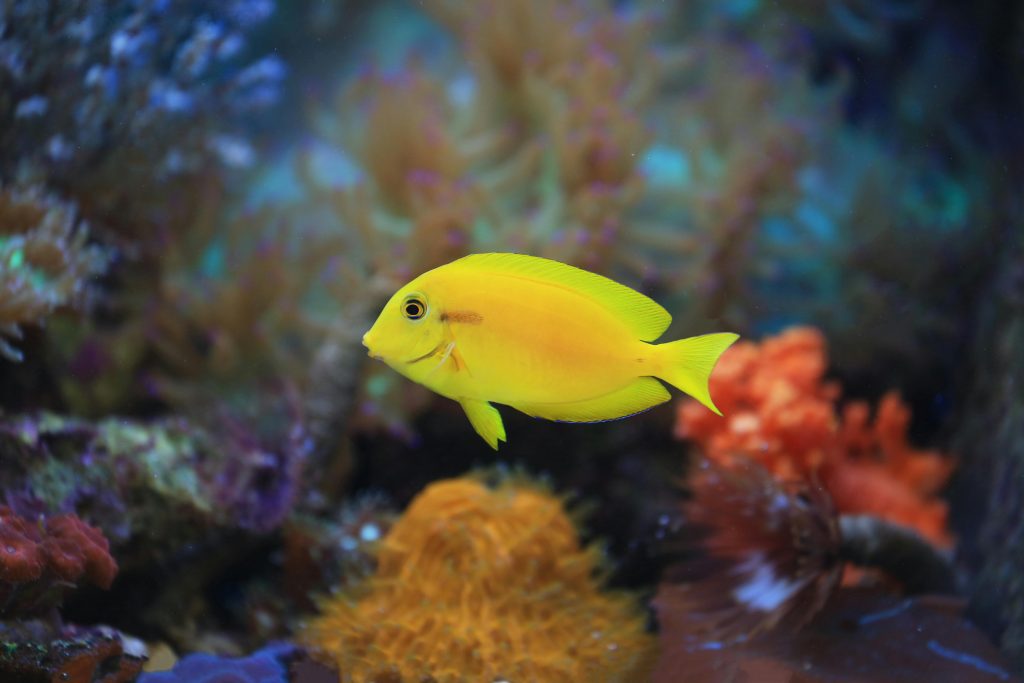
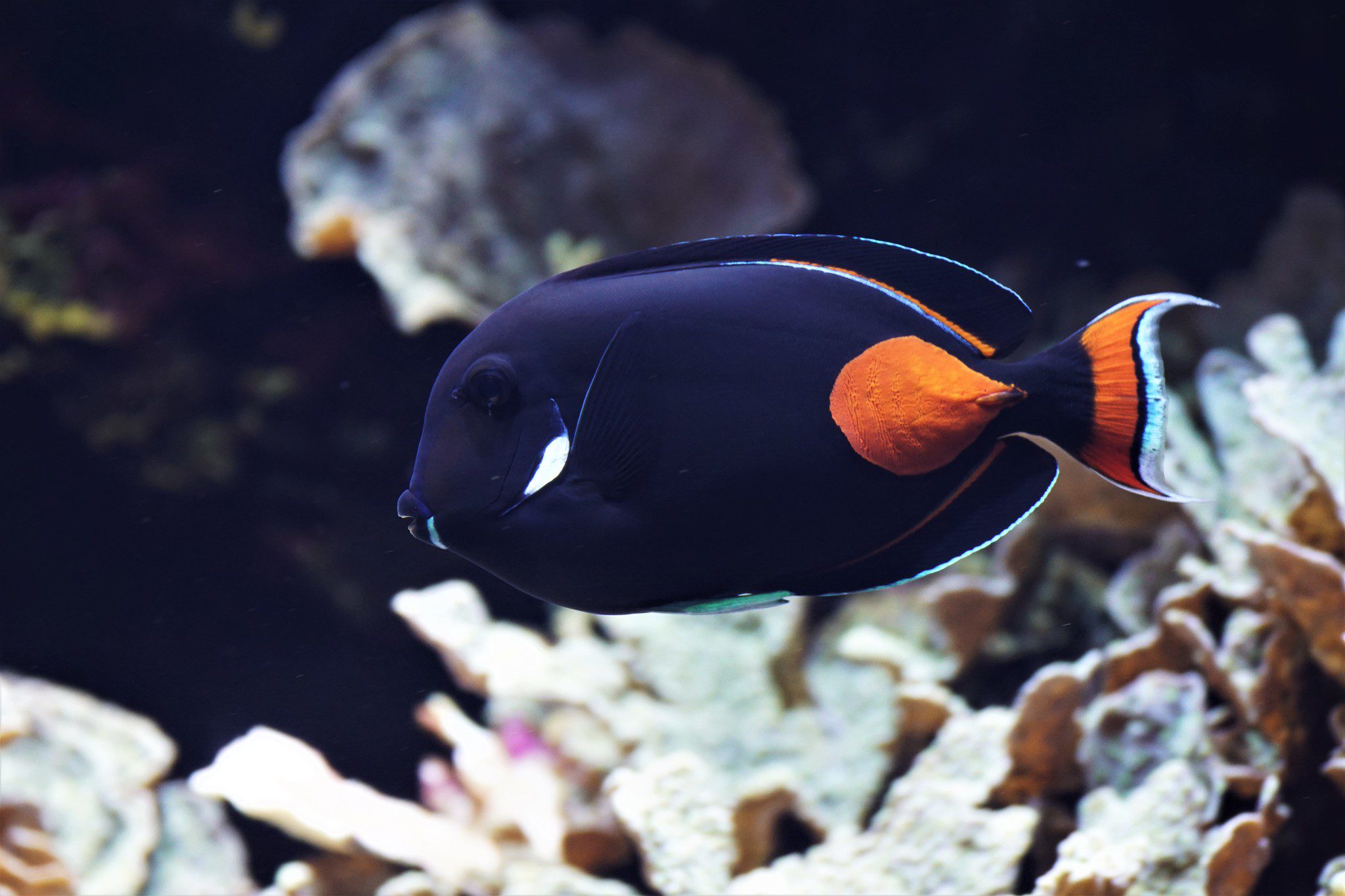
Juvenile Orange Shoulder (acanthurus Olivaceus)
Juvenile orange shoulder tangs are bright, hardy, and reef safe, but they grow large and need a spacious…
 By
By
Best Filtration Systems
Best Filtration Systems for a Healthy Saltwater Aquarium Choosing the best filtration system for your saltwater aquarium is…
[favorite_button]
My Bookmarks:
To see full list click here
[user_favorites user_id="" include_links="true" site_id="" post_types="" include_thumbnails="true" thumbnail_size="thumbnail" include_excerpt="false"]