Starting a reef tank feels exciting and risky. Fish choices can make or break early success. Reef-safe beginner fish help you learn without constant problems.
What “reef-safe beginner” really means
Reef-safe means the fish will not eat coral polyps. It also means they usually ignore shrimp and snails. No fish is perfect, so you still watch behavior.
Beginner-friendly fish handle small mistakes. They tolerate minor swings better than delicate species. They also accept prepared foods fast. That matters in a new tank.
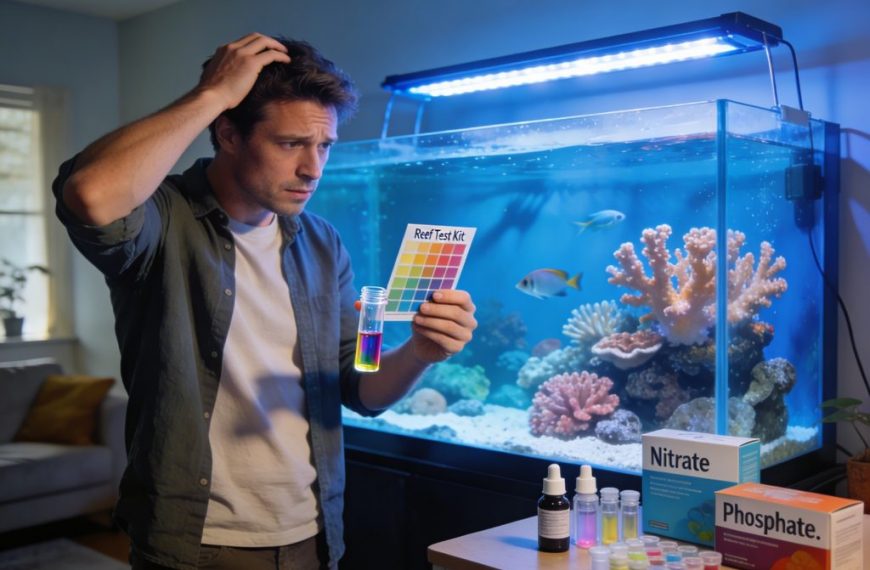
Start with stable baseline parameters. Aim for 1.025 specific gravity, 78°F, and pH 8.1–8.4. Keep ammonia and nitrite at 0 ppm. Keep nitrate under 20 ppm for most mixed reefs.
Quarantine reduces losses and protects your reef. Use a 10–20 gallon bare tank with a sponge filter. Observe fish for 14–30 days. If you need a plan, see our quarantine setup guide.
- Feed small portions 2 times daily for the first week.
- Test ammonia daily after each new fish addition.
- Add only one fish every 2–3 weeks in new systems.
Top reef-safe beginner fish (with tank sizes and tips)
Ocellaris or percula clownfish are classic starters. Keep one, or a bonded pair. A 20-gallon tank works for a pair. Feed pellets plus frozen mysis. Watch for aggression once they pair.
Firefish are peaceful and colorful. One fish fits well in a 20–30 gallon reef. Use a tight lid since they jump. Provide a cave and low flow zone. Feed fine frozen foods and small pellets.
Royal gramma basslets do well in 30 gallons and up. They stay near rockwork and defend a small cave. They are reef-safe and hardy. Avoid adding them before very timid fish. Provide at least two hiding spots.
Gobies are great for small reefs. Try a watchman goby in 20 gallons or more. Pair it with a pistol shrimp if your sandbed is stable. Also consider a tailspot blenny for algae control in 30 gallons. Learn more in our goby care guide.
- Clownfish: 20 gallons, moderate temperament, easy feeding.
- Firefish: 20+ gallons, very peaceful, needs a lid.
- Royal gramma: 30+ gallons, semi-territorial, loves caves.
- Watchman goby: 20+ gallons, sand sitter, burrower.
- Tailspot blenny: 30+ gallons, algae grazer, perches often.
Stocking order, feeding, and common mistakes
Stock peaceful fish first. Add firefish and small gobies early. Add semi-territorial fish later, like royal grammas. Add clowns mid to late, depending on tank size. This reduces bullying in tight spaces.
Use a simple feeding routine. Offer pellets in the morning and frozen at night. Thaw frozen food and strain the juice. This lowers phosphate spikes. Target feed shy fish with a turkey baster.
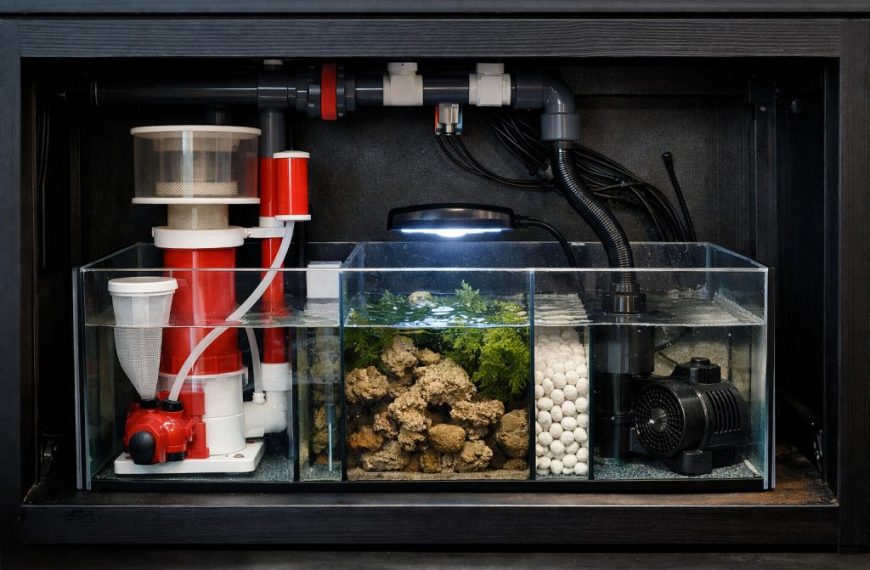
New hobbyists often add too many fish fast. That causes ammonia and low oxygen events. Use surface agitation and a skimmer if stocked heavily. Keep alkalinity stable at 8–9 dKH for coral health. Track trends in a log.
Troubleshoot early warning signs. Rapid breathing can mean low oxygen or ammonia. Hiding and not eating often follows bullying or parasites. Flashing can suggest ich or flukes. If needed, review our reef fish disease basics before you treat.
- If a fish will not eat, try frozen mysis and dim the lights.
- If aggression starts, add a mirror for 2–3 days.
- If algae blooms, reduce feeding by 20% and clean filters.
Optional picks once the tank is stable
After 3–6 months, you can consider slightly pickier fish. A yellow watchman goby pair can be added with a shrimp. A captive-bred orchid dottyback can work in 30 gallons. It can still bully timid fish in small tanks.
For larger tanks, a tomini tang is often a better first tang. Aim for 70 gallons or more. Provide nori 3–4 times weekly. Keep swimming lanes open. Avoid adding tangs to brand-new tanks.
Always match fish to your maintenance style. If you travel, use an auto feeder. Pick fish that accept pellets. Keep a backup heater and air pump ready. Stability beats rare fish every time.
Sources: Fenner, R. (2001) The Conscientious Marine Aquarist; Borneman, E. (2001) Aquarium Corals; Delbeek & Sprung (1994–2005) The Reef Aquarium (Vol. 1–3); Humblefish (reference articles on marine fish quarantine and disease management).
Reef-safe beginner fish let you build confidence and consistency. Start with hardy, peaceful species and add slowly. Keep parameters steady and quarantine when you can. Your reef will look better every month.
 By
By