Quarantining new fish prevents disease from entering your display tank. It also gives stressed fish time to eat and recover. This checklist keeps the process simple and repeatable.
Section 1: Set up the quarantine tank before the fish arrives
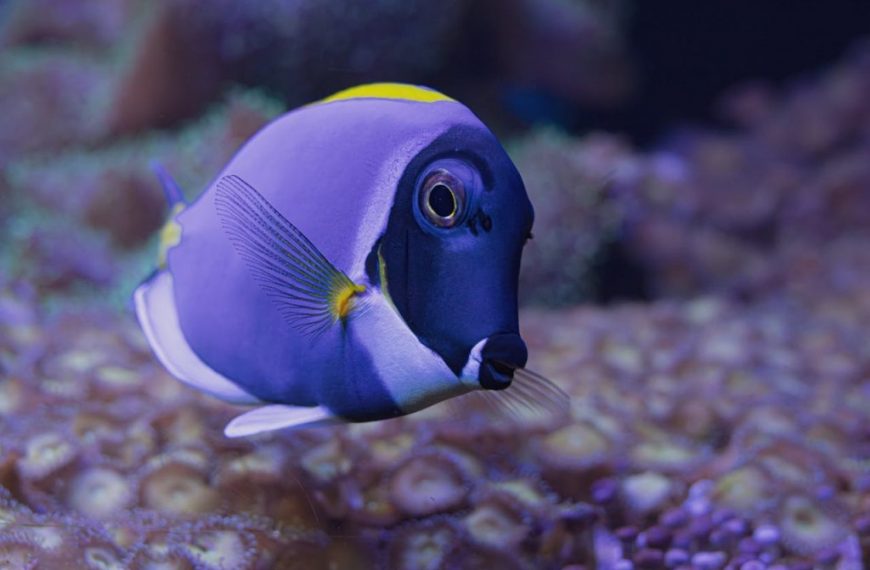
A quarantine tank should be bare and easy to clean. Use 10–20 gallons for small fish. Use 20–40 gallons for tangs and angels. Match salinity to the store water at first. Aim for 1.020–1.026 specific gravity. Keep temperature at 77–79°F. Hold pH near 8.1–8.4.
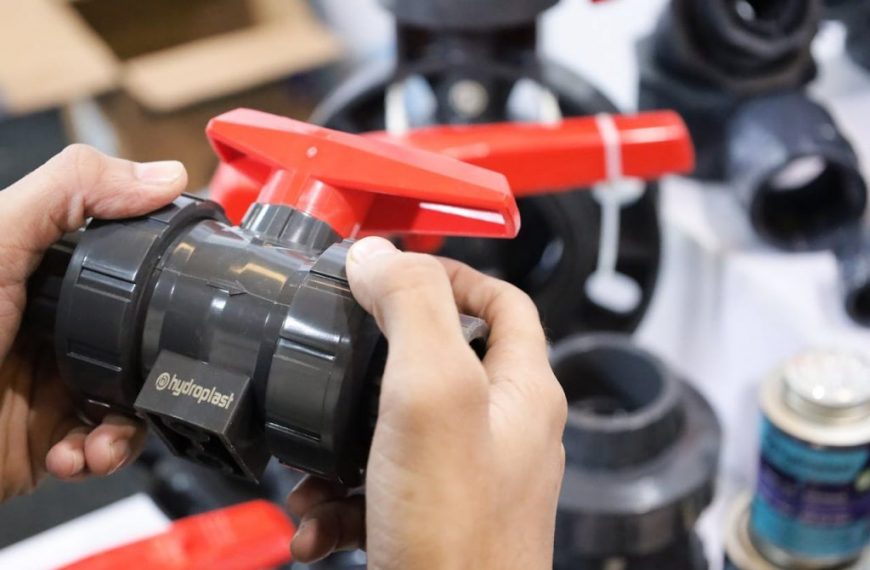
Filtration must handle ammonia spikes. Use a sponge filter seeded in your sump for 2–4 weeks. Add an air stone for strong oxygenation. Many meds reduce oxygen in water. Use a heater with a guard. Add simple PVC elbows for hiding spots.
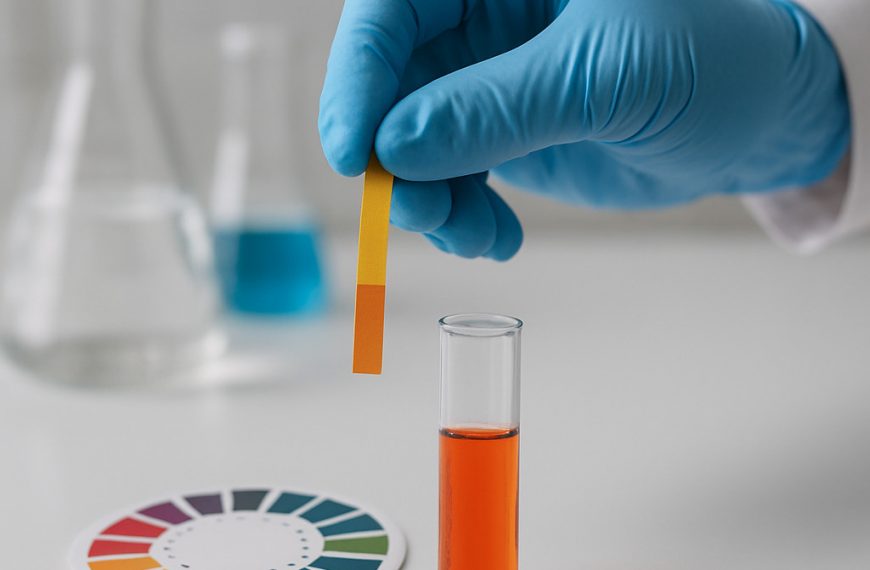
Test kits are part of the setup. You need ammonia, nitrite, nitrate, and copper if used. Keep a dedicated net and siphon for quarantine. This prevents cross contamination. Store them near the tank. Label them clearly.
- Tank: 10–40 gallons, bare bottom, tight lid
- Gear: heater, air stone, seeded sponge filter, light timer
- Supplies: ammonia alert badge, test kits, PVC hides, extra saltwater
Plan water changes ahead of time. Mix enough saltwater for 25–50% changes. Keep it heated and aerated. If you need a refresher on stability, review reef tank water parameters. Stable numbers matter more than perfect numbers.
Section 2: Acclimation, observation, and daily care
Start with calm acclimation. Dim the lights for the first day. Float the bag for 15 minutes. Then drip acclimate for 20–40 minutes. Stop sooner if ammonia is high in the bag. Transfer fish with a container, not a net. Avoid adding store water to the tank.
Feed lightly on day one. Offer small meals twice daily. Use varied foods and soaked pellets. Try frozen mysis and enriched brine. Add nori for herbivores. Remove uneaten food after five minutes. This keeps ammonia low.
Observe behavior at set times each day. Watch breathing rate and fin posture. Look for spots, flashing, and cloudy eyes. Check for frayed fins and red streaks. Record notes in a simple log. Include appetite and feces color. White stringy feces can signal internal issues.
- Morning: check temperature, salinity, and fish breathing
- Evening: test ammonia, then feed and observe for 10 minutes
- Twice weekly: test nitrate and clean the sponge in tank water
Use ammonia control as your first troubleshooting step. Keep total ammonia at 0 ppm. If it rises, do a 25–50% water change. Add a detoxifier if needed. Increase aeration during any treatment. For more on stress reduction, see new fish acclimation tips.
Section 3: Treatment decisions, timelines, and common mistakes
Decide on an approach before problems appear. Some hobbyists observe only. Others use proactive treatment. A common quarantine timeline is 30 days minimum. Many prefer 45 days for higher confidence. Reset the clock if symptoms appear.
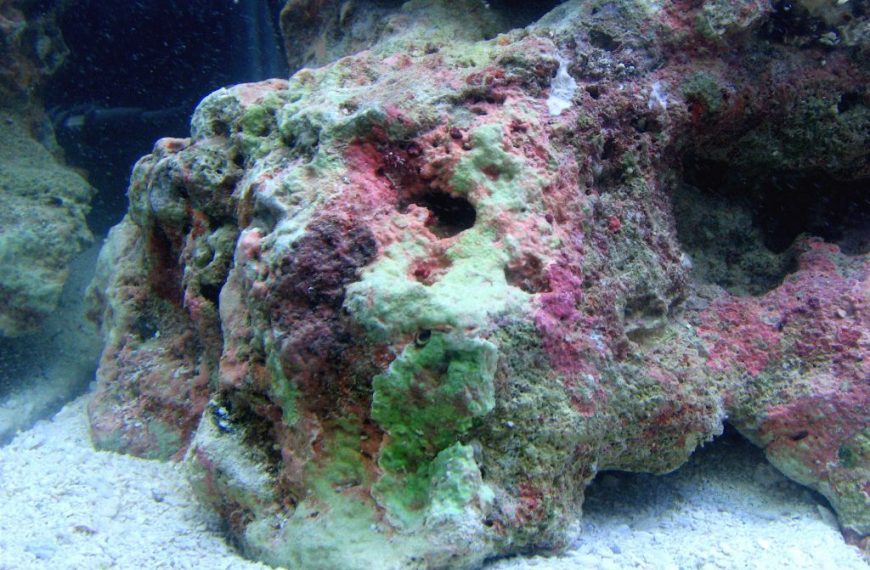
If you treat with copper, measure it precisely. Use a test kit that matches the product. Many chelated coppers target 2.0–2.5 ppm. Many ionic coppers target 0.15–0.20 ppm. Raise copper over 48 hours. Hold the target for 14 days. Never use copper with rock or sand. They absorb it.
For flukes, praziquantel is a common option. Dose per label and aerate strongly. Repeat after 5–7 days if needed. For bacterial issues, focus on water quality first. Then consider an antibiotic in a hospital setup. Remove carbon during medication. Keep lights low to reduce stress.
Avoid these frequent mistakes. Do not skip a lid, since fish jump. Do not mix new fish together on day one. Do not chase perfect pH with chemicals. Do not share tools with the display tank. If you need a safe transfer plan, read quarantine to display transfer.
- Quarantine length: 30–45 days, longer if symptoms persist
- Water change trigger: any detectable ammonia, or heavy feeding days
- Transfer rule: only move fish after 7–14 symptom-free days
Quarantine works best when it is routine. Build the tank once and keep it ready. Track parameters and fish behavior daily. You will save livestock and avoid display tank outbreaks.
Sources: Humblefish Disease Forum (quarantine and treatment guides); Noga, E.J. “Fish Disease: Diagnosis and Treatment”; Colorni & Burgess research summaries on marine ich management.
 By
By