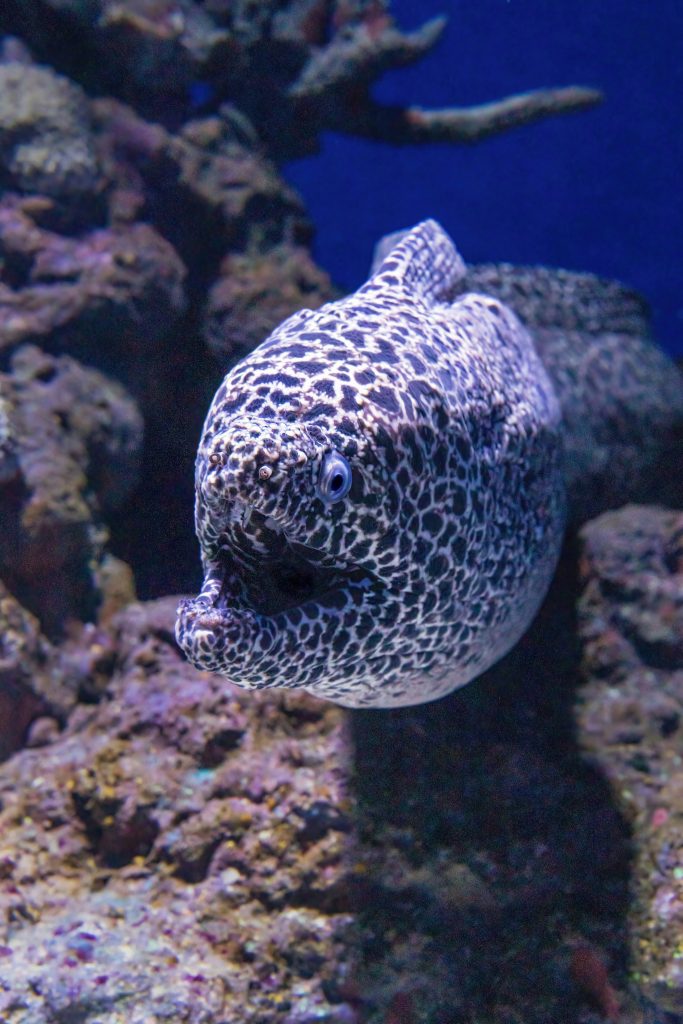
The Honeycomb Moray (Gymnothorax favagineus) is a bold, striking predator. It can thrive in captivity, but it demands planning. If you build for its size and behavior, it becomes a reliable show fish.
This guide covers tank sizing, safe aquascapes, feeding, and compatibility. You will also learn common mistakes and fixes. Use these steps to avoid injuries, escapes, and water quality crashes.
Tank size, aquascape, and containment
Plan for an adult, not a juvenile. This moray can reach 24 to 36 inches. Use 180 gallons as a practical minimum. Many keepers prefer 240 gallons for stability and turning space.
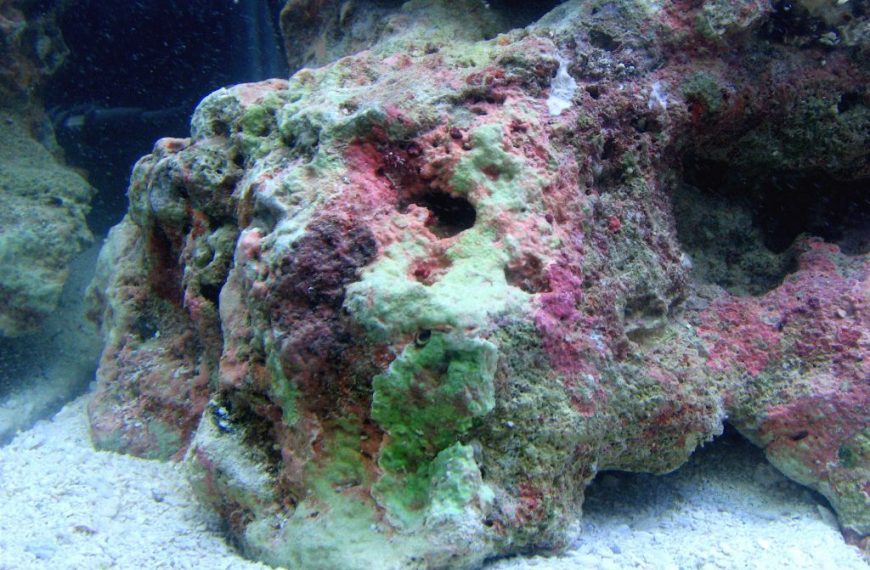
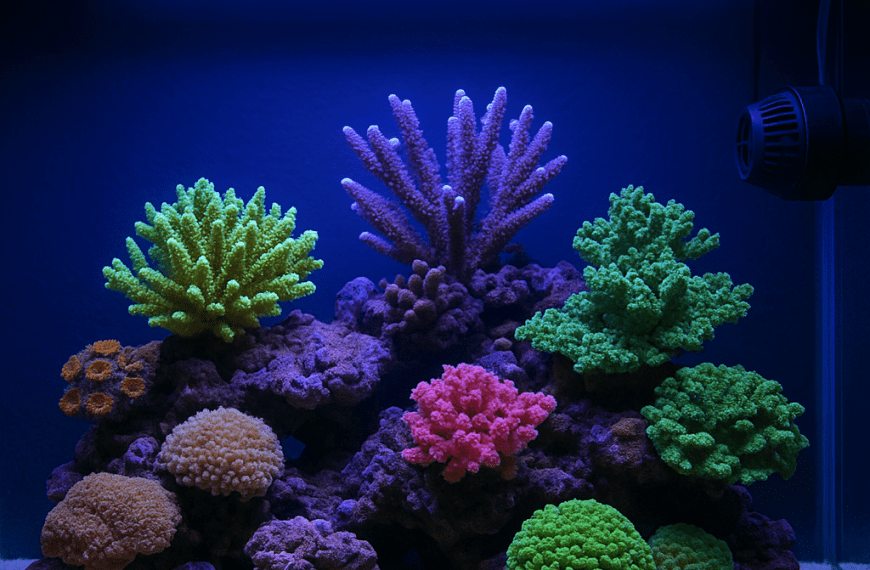
Build a cave system with large, stable rock. Use epoxy or acrylic rods for support. Leave a clear sand channel for cruising. Provide at least two tight hides to reduce stress.
Containment is not optional. Morays push lids and find gaps. Cover every opening larger than 1 cm. Use mesh or acrylic over overflows and cable cutouts.
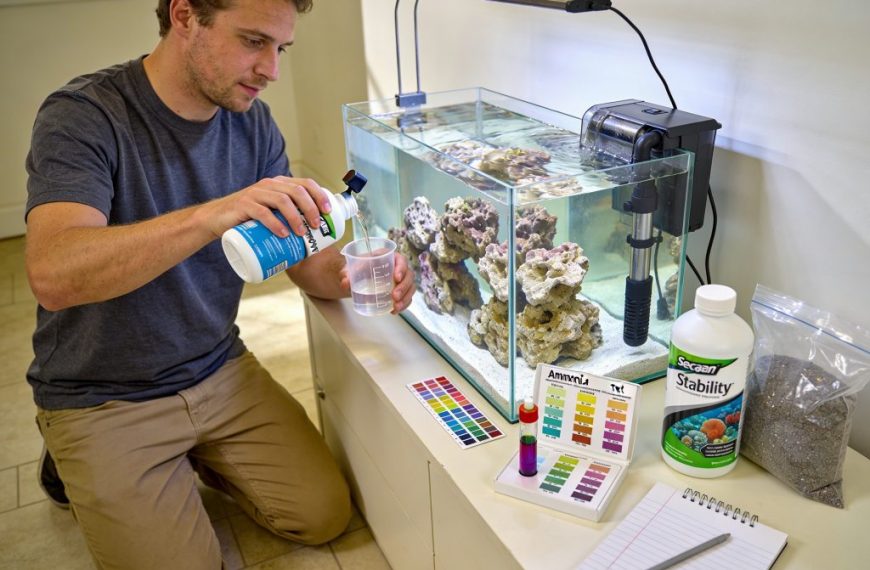
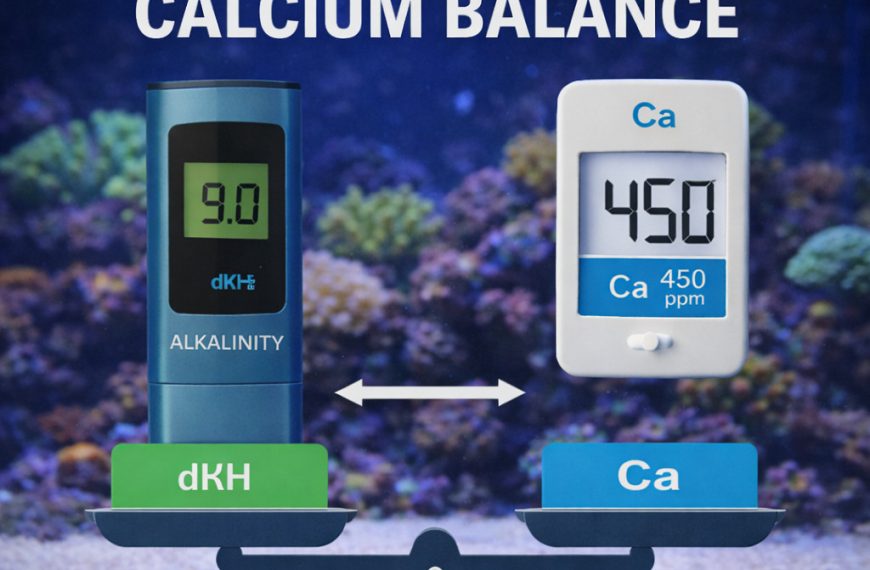
Run strong filtration and high oxygen. Aim for 10 to 20x turnover per hour. Add a skimmer rated for 1.5 to 2x your volume. Keep temperature 24–26°C, salinity 1.025–1.026, pH 8.1–8.4, ammonia and nitrite at 0, and nitrate under 20 ppm.
- Use a tight lid with clips or weights on corners.
- Secure rock on the glass bottom, then add sand around it.
- Place heater guards to prevent burns during tight turns.
Feeding, nutrition, and safe handling
Feed meaty marine foods with variety. Offer shrimp, squid, scallop, and marine fish flesh. Avoid freshwater feeder fish. They can cause fatty liver over time.
Use feeding tongs that are at least 30 cm long. Present food near the cave entrance. Let the eel strike and retreat. Do not hand feed, even if it seems calm.
Set a schedule based on size. Juveniles do well with 3 small meals weekly. Adults often do best with 1 to 2 larger meals weekly. Stop when the belly rounds slightly, not bulges.
Add vitamins to prevent deficiencies. Soak food in a marine vitamin twice weekly. Add iodine support if your salt mix runs low. Track weight by photos, not guesswork.
- Thaw frozen food in tank water, then discard the thaw water.
- Remove uneaten pieces within five minutes to limit ammonia spikes.
- Use a feeding stick to keep the eel from associating hands with food.
Tankmates, quarantine, and troubleshooting
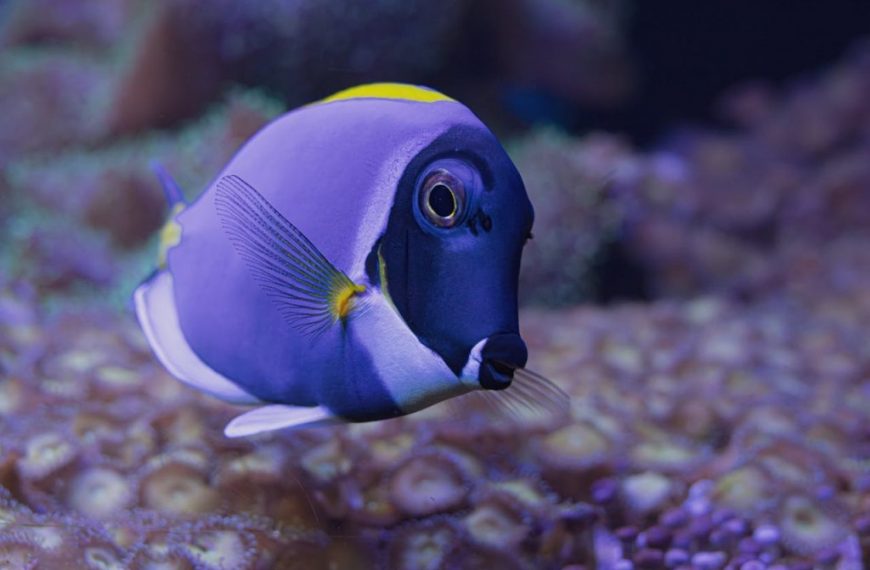
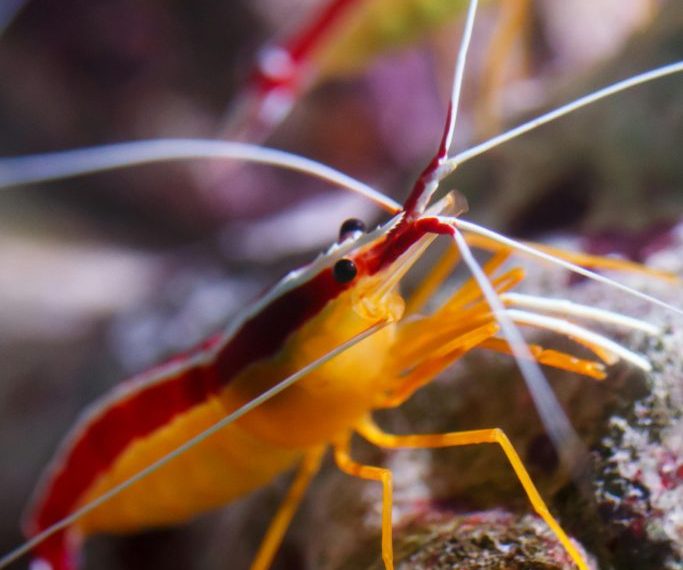
Choose tankmates by mouth size and temperament. The honeycomb moray will eat small fish and crustaceans. Avoid cleaner shrimp, crabs, and small wrasses. Use robust fish like large tangs, triggers, or groupers in fish-only systems.
Quarantine is still worth doing, but it looks different for eels. Use a large tub or 40–75 gallon bare setup with PVC hides. Match salinity and temperature exactly. Observe for 2 to 4 weeks, and ensure it eats reliably.
Do not use copper unless you understand eel sensitivity. Many keepers avoid copper with morays. If you must treat parasites, consult a vet or specialist plan. Focus on prevention with stable parameters and low stress.
Common problems include escapes, refusal to eat, and cloudy water after feeding. For escapes, reduce gaps and lower water level 2–3 cm below the rim. For refusal, dim lights and offer fresh-scent foods like squid. For cloudy water, increase skimming and reduce portion size.
- If the eel breathes fast, increase surface agitation and check ammonia.
- If it rubs on rock, verify salinity and test for nitrite.
- If it bites tankmates, feed smaller portions more consistently.
For more predator planning, see our saltwater aquarium tank size guide. For escape prevention ideas, read how to secure lids and overflows. For nutrition details, visit reef fish feeding schedules.
The Honeycomb Moray rewards careful setup and consistent routines. Give it space, secure covers, and clean, oxygen-rich water. With smart feeding and compatible tankmates, it can thrive for many years.
Take your time with aquascape stability and containment checks. Those steps prevent most emergencies. Once settled, this eel becomes a dependable centerpiece predator.
Sources: FishBase (Gymnothorax favagineus species profile); Scott W. Michael, “Marine Fishes”; Fenner, “The Conscientious Marine Aquarist.”
 By
By