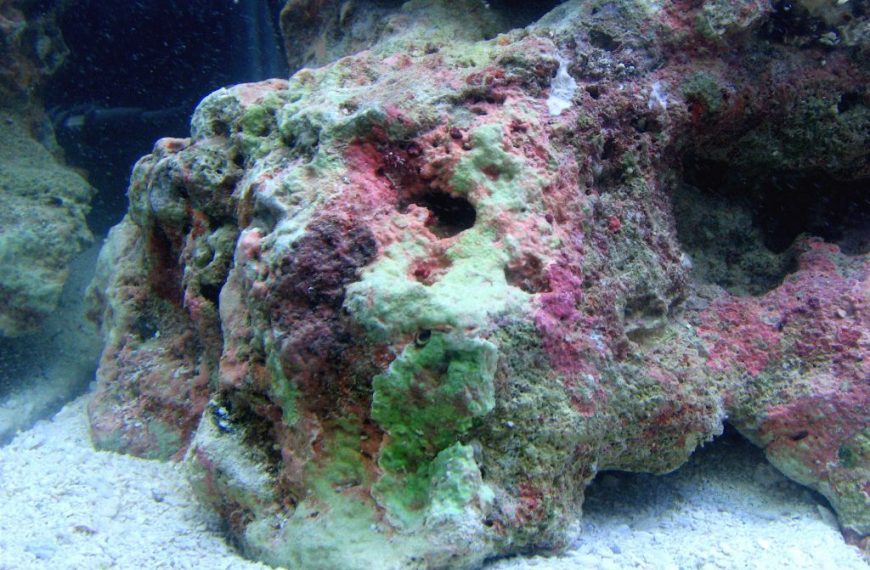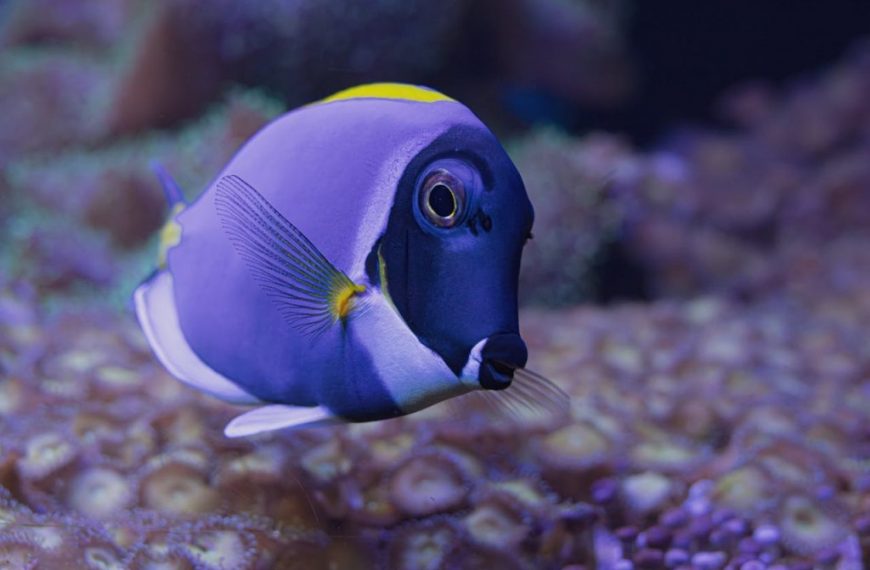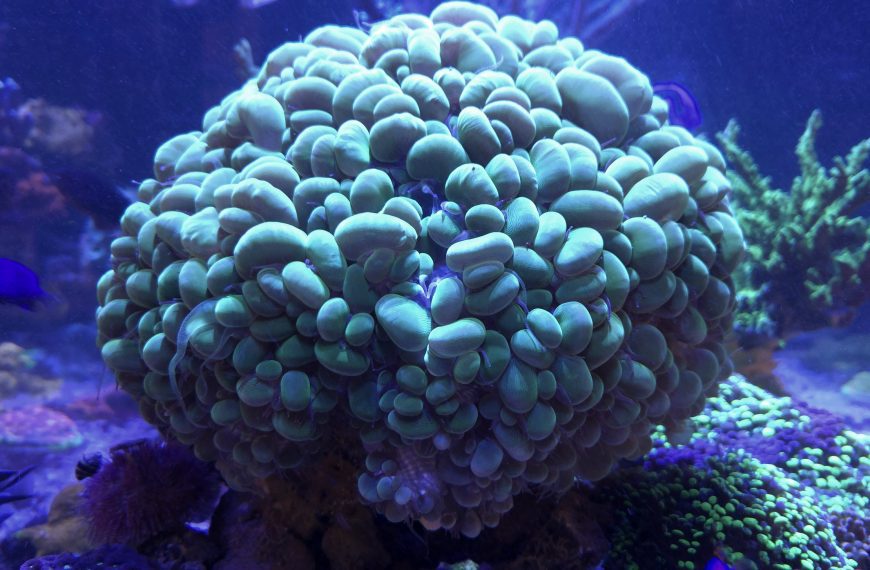
Catching a fish in a reef tank can feel impossible. Rockwork, corals, and tight spaces give fish endless escape routes. With the right plan, you can catch fish with less stress.
Plan the catch to reduce stress and damage
Start by deciding why you need the fish out. Common reasons include bullying, illness, or a tank upgrade. Your goal is a fast capture with minimal chasing. Stress can trigger ich and bacterial issues.
Prepare a holding container before you try. Use a clean bucket or small tank with a heater. Match salinity within 0.001 specific gravity. Match temperature within 1°F. Add an air stone for oxygen.
Turn off wavemakers and return pumps during the attempt. Leave a little surface movement if possible. This improves visibility and control. Dim the room lights and reduce glare on the glass.
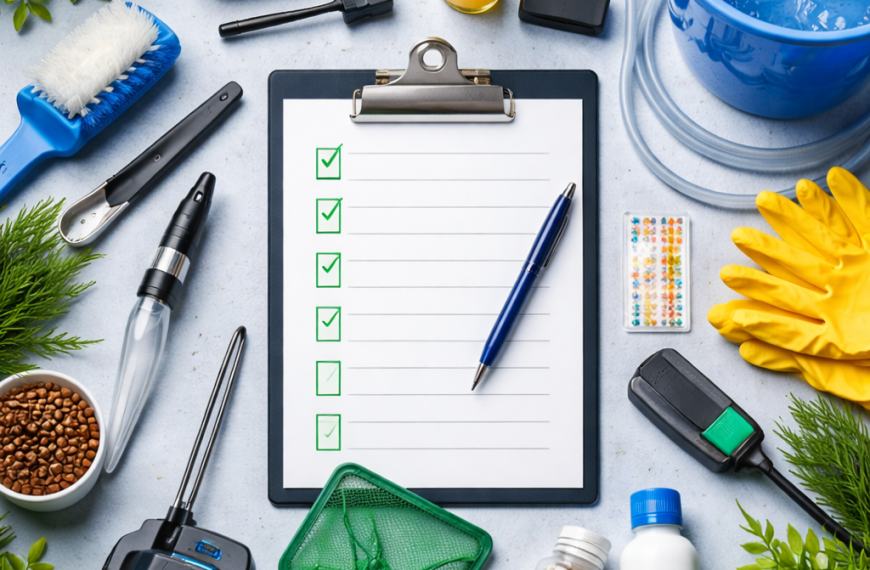
Have tools ready and within reach. Use two nets, a clear specimen container, and a fish trap. Keep towels nearby for drips. Review our reef quarantine guide if the fish needs treatment.
- Mix 2–5 gallons of matching saltwater for emergencies.
- Stop feeding 12–24 hours before capture to boost trap success.
- Remove fragile coral frags from the front glass area.
Best capture methods for reef tanks
Acrylic fish traps work well for most community fish. Place the trap near the fish’s usual path. Bait it with mysis, clam, or pellets. Let fish enter freely for one day without triggering the door.
On day two, set the door and wait. Keep your hands out of the tank. Sudden movement ruins attempts. For tangs and wrasses, use a larger trap opening. Aim for 4–6 inches wide if possible.
For fast fish, use the “container and net” method. Hold a clear specimen cup in the water. Use the net as a gentle herder. Guide the fish into the cup without pinning it to the rock.
Night captures can be easier for some species. Many fish sleep in the same spot. Use a red flashlight to reduce spooking. Move slowly and scoop with a container. Review reef fish sleeping behavior to predict hiding spots.
- Trap method: best for tangs, angels, and damsels.
- Container method: best for clowns, gobies, and blennies.
- Night scoop: best for sleeping wrasses and cardinals.
Troubleshooting and common mistakes
Chasing fish with a net is the top mistake. It increases stress and injury risk. Fish can slam into rocks and tear fins. Corals can get hit and slime heavily. Use patience over speed.
If the trap fails, adjust placement and bait. Put the trap where the fish already feed. Use smaller food pieces to keep them inside longer. For picky fish, try a nori strip clipped inside the trap.
Rock removal is a last resort. It can crush corals and stir detritus. If you must move rock, do it in stages. Lift one piece at a time into a tub of tank water. Keep corals submerged at all times.
After capture, acclimate the fish to the holding tank. Use a 10–15 minute temperature float. Then, drip acclimate for 20–30 minutes if salinity differs. If the fish is sick, follow our marine ich treatment options for next steps.
- Do not expose fish to air unless the species tolerates it.
- Do not grab fish with dry hands or towels.
- Do not leave pumps off longer than 20–30 minutes.
Catching fish in a reef tank is about setup and patience. Use traps, containers, and low-stress timing. Plan ahead, and you will protect both fish and corals.
Once the fish is out, stabilize the system fast. Restore flow and check temperature. Then focus on quarantine or rehoming with calm, steady steps.
Sources: Humblefish disease management principles (archived community guidance); Fenner, R. “The Conscientious Marine Aquarist”; Delbeek & Sprung “The Reef Aquarium” volumes.

 By
By