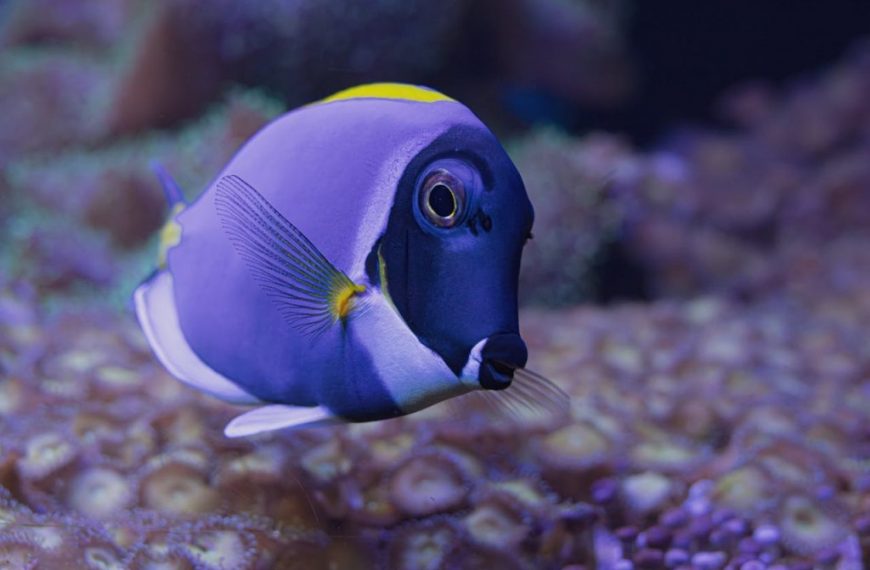
Pajama cardinalfish are calm, reef-safe fish with bold patterns. They thrive in peaceful community tanks. With the right setup, they can even spawn in home aquariums.
Quick profile and tank setup
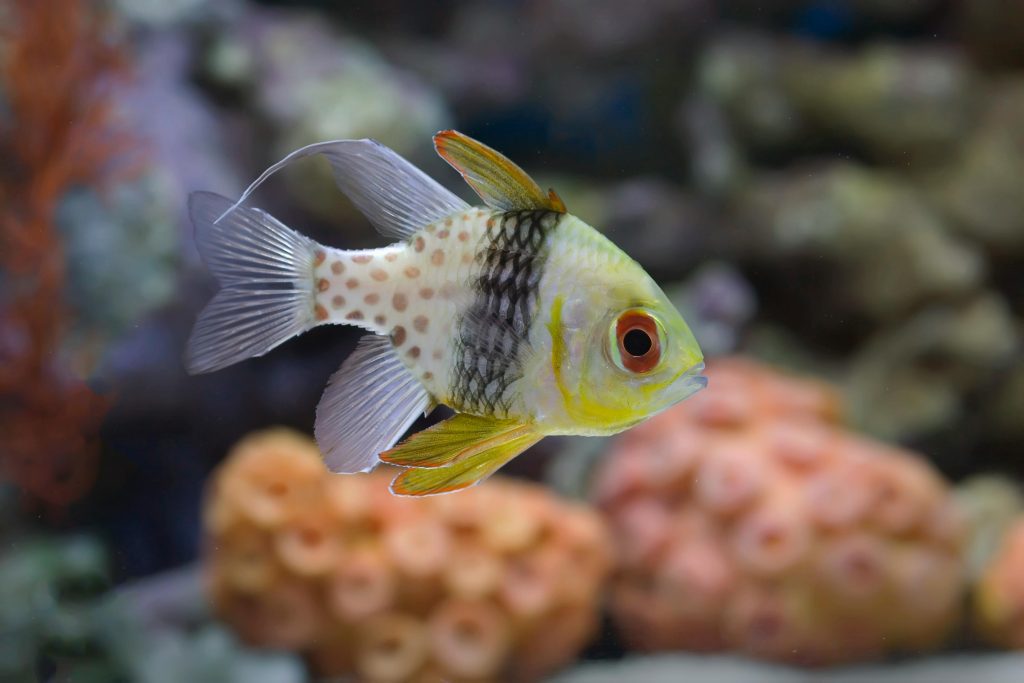
Pajama cardinalfish (Sphaeramia nematoptera) reach about 3 inches. Plan for a 20-gallon tank for a pair. Use 30 gallons or more for a small group. They prefer dimmer zones and steady flow.
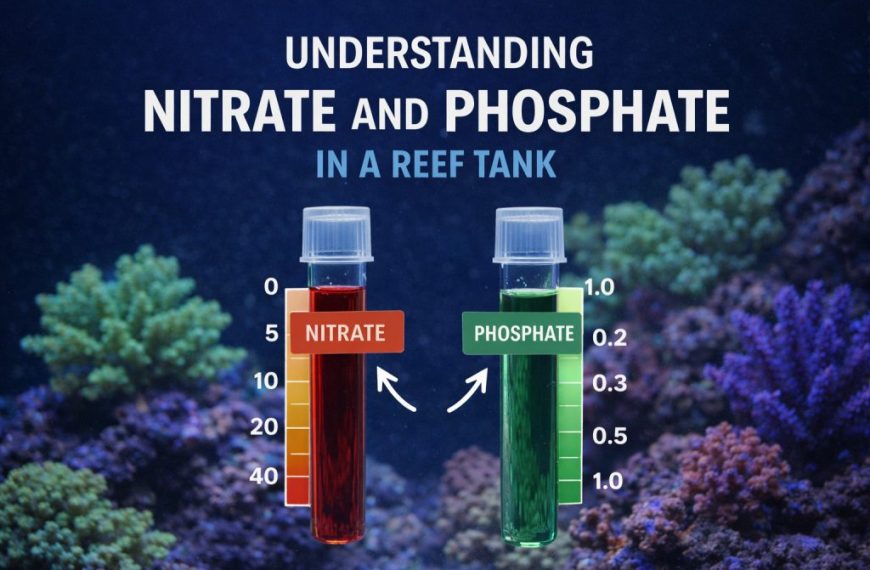
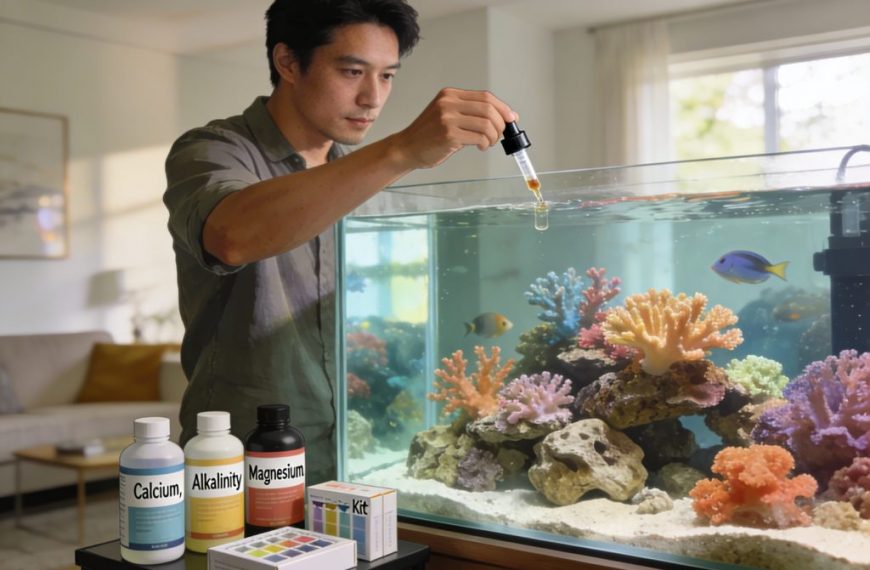
Aim for stable reef parameters. Keep temperature at 24–26°C (75–79°F). Hold salinity at 1.024–1.026 specific gravity. Keep pH at 8.1–8.4. Maintain alkalinity at 8–10 dKH. Keep nitrate under 20 ppm, and phosphate under 0.10 ppm.
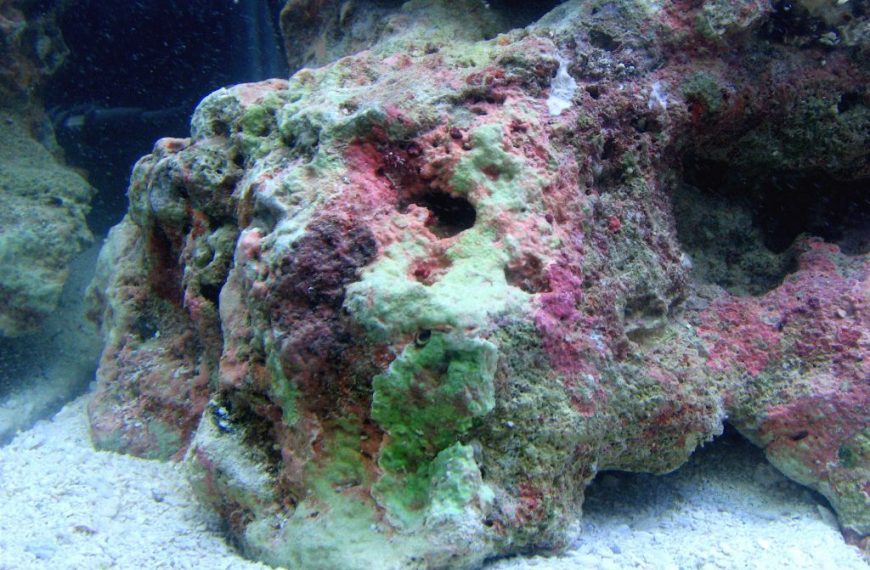
Provide shelter and “hover spots” near structure. Use caves, branching rock, or coral-safe decor. They often hang under ledges. They also use long-spined urchins or branching corals in nature. Create a shaded corner with a gentle current.
- Use a tight lid or mesh top to prevent jumping at night.
- Add a small cave per fish in group setups.
- Run a skimmer or strong aeration for better oxygen levels.
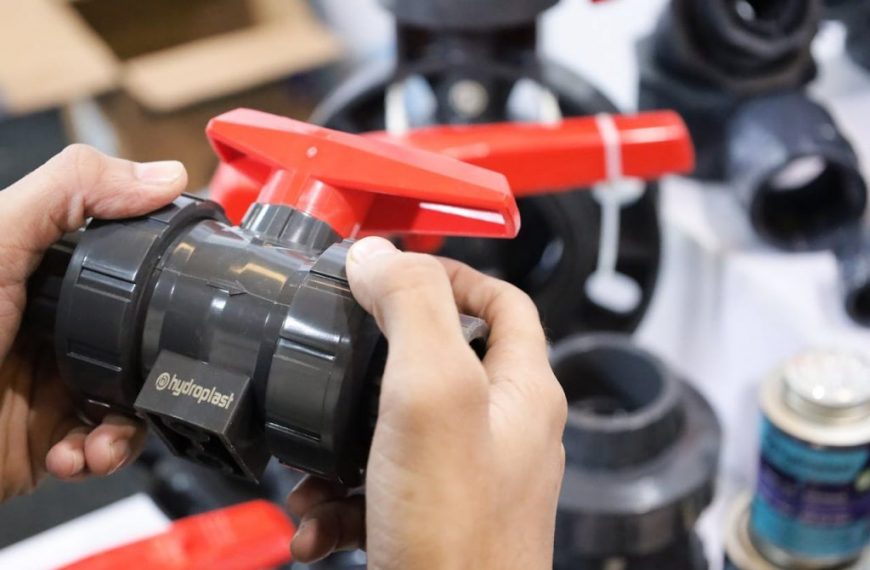
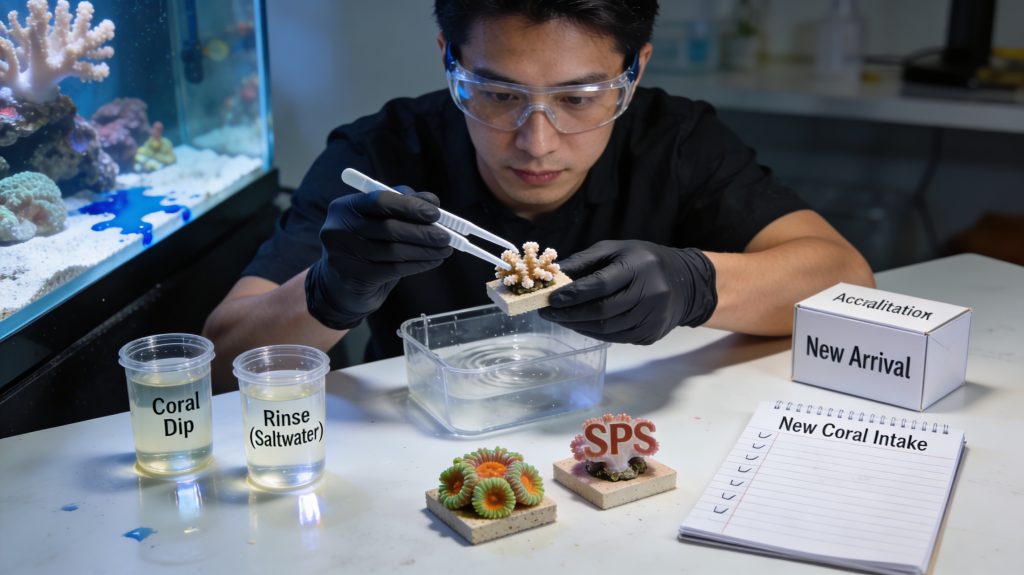
Before buying, review your quarantine guide. A 10-gallon QT works well for one to three fish. Use a sponge filter and PVC elbows. Observe for 2–4 weeks before adding them to the display.
Feeding and daily care that actually works
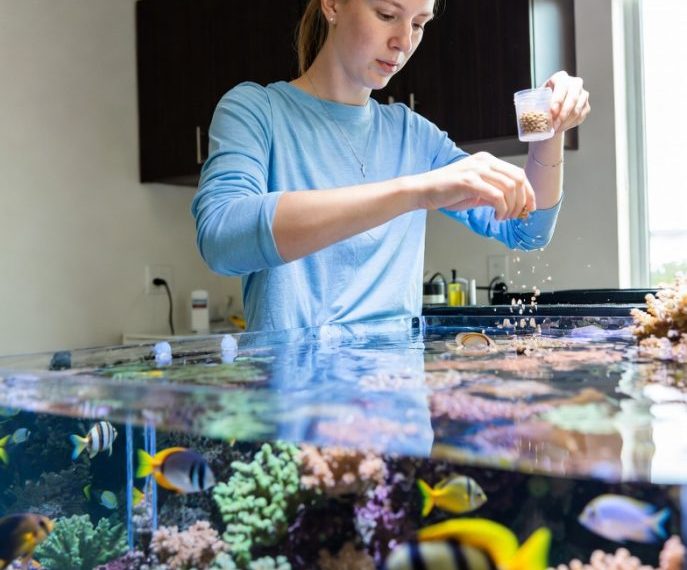
Pajama cardinalfish are easy eaters once settled. Feed small portions twice daily. Many newcomers underfeed them. They look “fine” but slowly lose weight. Watch the belly line after meals.
Start with frozen foods to build confidence. Offer mysis shrimp, enriched brine, and chopped krill. Add fine pellets once they recognize food. Use 0.5–1 mm pellets for adults. Soak foods in vitamins once or twice weekly.
Target feed if tankmates are fast. Use a turkey baster near their hover zone. Turn pumps down for five minutes. This reduces waste and helps shy fish eat. In mixed reefs, they do best with peaceful wrasses, gobies, and clownfish.
- Feed twice daily, and remove leftovers after five minutes.
- Rotate foods across the week to prevent nutrition gaps.
- Look for a rounded belly and steady hovering after feeding.
If yours refuses food, check stressors first. Bright lights can spook them. Aggressive fish can pin them in corners. High nitrate levels can dull the appetite. Also, verify temperature swings are under 1°F per day.
Behavior, grouping, and breeding notes
Pajama cardinalfish are peaceful but not always “schooling.” Juveniles may group loosely. Adults often pair off. In small tanks, extra fish can get chased. In 30–40 gallons, keep three to five and add many hiding spots.
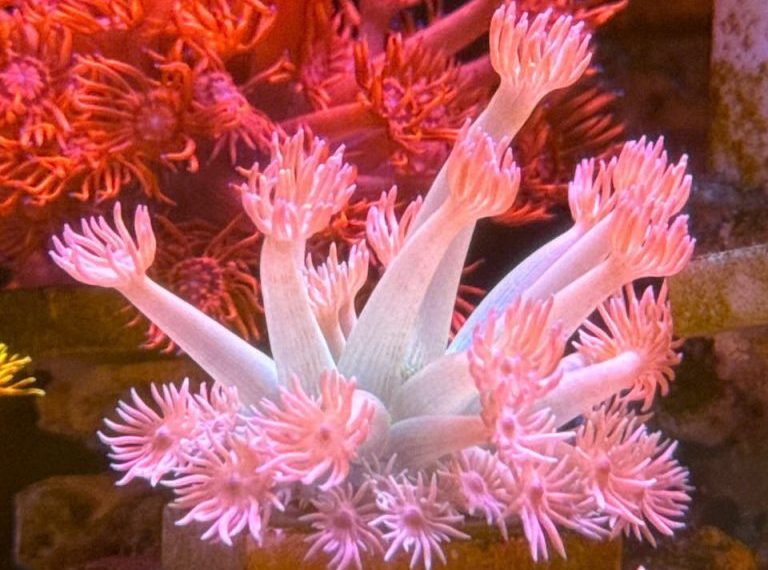
They are reef-safe with corals and most inverts. They may eat tiny shrimp larvae and very small pods. They usually ignore cleaner shrimp and snails. Avoid housing them with large dottybacks or aggressive damsels. Those fish can cause chronic stress.
Breeding is possible in home tanks. The male is a mouthbrooder. After spawning, he holds eggs for about 7–10 days. He may stop eating during this time. Keep tankmates calm and lighting consistent. Provide heavier feeding before the spawn window.
Common mistakes are easy to fix. Do not add them to brand-new tanks. Wait until the tank is stable for at least 8–12 weeks. Do not keep them with fin nippers. Also avoid sudden salinity changes during water changes. Match new water within 0.001 specific gravity.
- For groups, add all cardinals at once to reduce territory issues.
- Use a dusk ramp or lower peak intensity for calmer behavior.
- Check ammonia and nitrite any time a fish hides all day.
For long-term success, keep a steady maintenance routine. Do 10–15% weekly water changes. Clean mechanical filters every 3–7 days. Track nitrate and phosphate trends. For more stability tips, see our reef tank water parameters guide and beginner reef fish list.
Pajama cardinalfish reward steady care and calm tankmates. Keep water stable and feed with consistency. Give them shade and shelter, and they will thrive for years.
Sources: FishBase (Sphaeramia nematoptera species summary); Scott W. Michael, Marine Fishes (reef fish husbandry references); Fenner, The Conscientious Marine Aquarist (quarantine and nutrition basics)
 By
By