Keeping a thriving reef tank isn’t about heroic weekend cleanups—it’s about simple, consistent routines. A clear reef maintenance checklist helps you protect coral health, stabilize water chemistry, and avoid emergency crashes. Use this guide as your go-to schedule, and adjust for your specific system and bioload.
Daily & Every-Other-Day Reef Maintenance
Quick daily checks catch problems before they become disasters. Most of this takes just a few minutes.
- Visual livestock check: Look for gasping fish, closed or receding corals, unusual algae blooms, or cloudy water.
- Temperature & salinity: Confirm your heater, chiller, and ATO are working. Aim for stable salinity and a narrow temperature range.
- Top off & ATO inspection: Make sure the ATO reservoir has water and the float/optical sensors are clean and unobstructed.
- Feed thoughtfully: Target-feed corals and avoid overfeeding fish. Excess food quickly becomes nitrate and phosphate.
- Equipment glance: Ensure return pump, skimmer, powerheads, and lights are on and behaving normally (no odd noises or microbubbles).
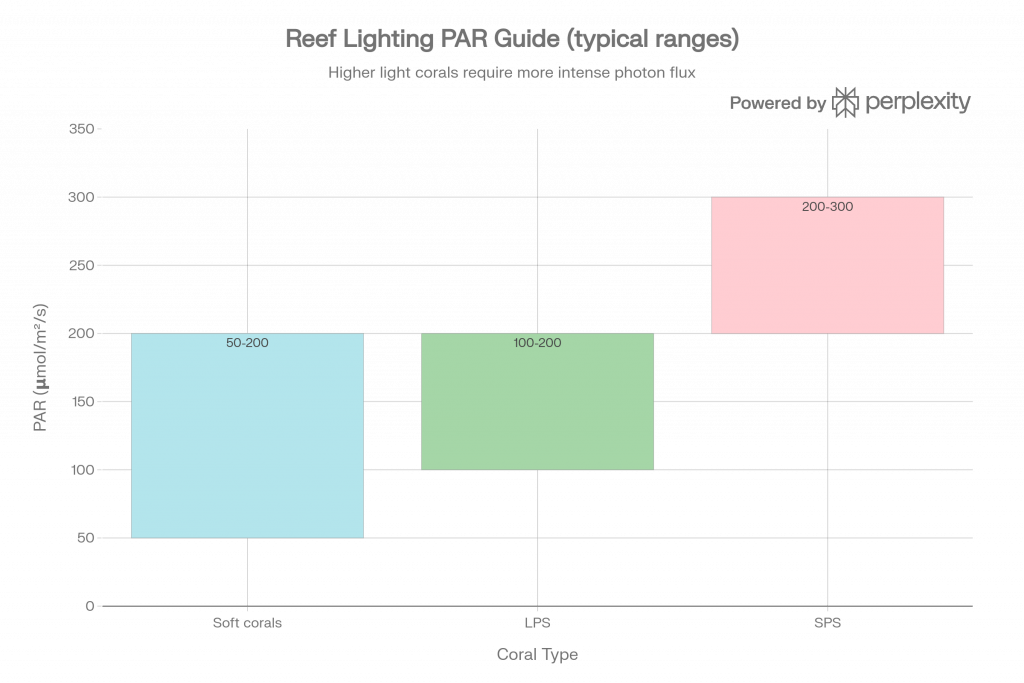
For help choosing circulation and coverage, see our guide on best LED lights for reef tanks.
Weekly Reef Maintenance Checklist
Weekly tasks keep nutrients in check and equipment efficient. Plan 30–60 minutes once a week.
Water Quality & Cleaning
- Test key parameters: Check salinity, alkalinity, calcium, magnesium, nitrate, and phosphate. Log results so you can spot trends.
- Water change (10–15%): Use pre-mixed, heated, aerated saltwater. Match temperature and salinity to avoid shocking corals.
- Glass & algae control: Use a magnetic scraper on the viewing panels and a soft brush on overflow teeth.
- Sandbed maintenance: Lightly siphon problem areas, but avoid deep stirring in mature tanks to prevent releasing trapped nutrients.
Equipment Care
- Empty and clean skimmer cup: Rinse with warm water; avoid soap. Check that foam production looks normal.
- Filter socks or pads: Replace or thoroughly rinse to prevent detritus buildup and nitrate spikes.
- Check dosing & ATO: Confirm dosing pumps are delivering accurate amounts and tubing is not clogged or kinked.
Tip: Make a laminated checklist and keep it in your stand. Check items off with a dry-erase marker as you go.
Monthly & Seasonal Deep Maintenance
These less frequent tasks extend equipment life and keep your reef stable over the long term.
- Deep-clean powerheads & pumps: Soak in a mild vinegar solution, scrub off calcium buildup, and reassemble carefully.
- Inspect plumbing: Look for salt creep, slow drips, brittle hoses, and loose fittings.
- Refugium & media: Harvest macroalgae, gently rinse bio-media in tank water, and refresh carbon or phosphate media as needed.
- Calibrate probes: pH, salinity, and ORP probes drift over time. Regular calibration keeps your readings honest.
- Light maintenance: Clean lenses and splash shields. For more lighting tips, visit our article on reef lighting schedules.
Every 6–12 months, perform a full equipment audit: test backup power solutions, inspect the stand, and review your stocking and feeding levels. Pair this with a review of our beginner reef tank setup checklist to see how your system has evolved.
With a structured reef maintenance checklist, you replace guesswork with routine. Consistent, small tasks prevent large swings in chemistry, keep corals open and colorful, and turn your aquarium into a stable, long-term ecosystem. Customize this schedule to your tank, stick with it, and your reef will reward you with years of growth and life.
Sources
- Borneman, E. H. (2001). Aquarium Corals: Selection, Husbandry, and Natural History. TFH Publications.
- Paletta, M. (2014). The New Marine Aquarium. Microcosm.
- Sprung, J., & Delbeek, J. C. (1994–2005). The Reef Aquarium Vol. 1–3. Ricordea Publishing.
- Holmes-Farley, R. (various years). Reef chemistry articles, Advanced Aquarist and Reefkeeping Magazine.
 By
By